Collision insurance pays to repair or replace your own car after it hits another vehicle or an object, or rolls over, minus your collision deductible, whoever caused the crash. Oregon does not require you to carry it. Deer strikes, theft, hail, falling trees and floods fall under comprehensive coverage instead. What Oregon does require is liability ($25,000 per person, $50,000 per crash, $20,000 property), $15,000 of personal injury protection and uninsured motorist coverage. You choose the body shop under ORS 746.280, and a crash with an injury or more than $2,500 in damage has to be reported to DMV within 72 hours.
Last updated October 2026
Key takeaways
- The Oregon Division of Financial Regulation (DFR) defines collision as “colliding with another object or overturning.”
- Animal strikes are a comprehensive claim in DFR’s list, so a deer hit usually is not a collision claim at all.
- Collision and comprehensive each carry their own deductible, and DFR notes that most policies set the comprehensive one lower.
- Your insurer may not make you use a particular repair shop as a condition of paying the claim (ORS 746.280).
- A rental car is not automatic. It comes from rental reimbursement coverage, or from the other driver’s insurer when they are at fault.
This is general information about Oregon rules and common policy terms, not legal advice. Your own policy wording decides what gets paid, so keep your policy declarations handy while you read.
What Collision Insurance Covers in Oregon
DFR’s winter guidance puts it in one line. “Collision is defined as colliding with another object or overturning.” If you carry collision, your insurer pays for damage to your vehicle after you pay the deductible, up to the car’s value or the limit in your policy.
That covers more ground than most drivers expect.
- Rear-ending another car at a light, or being sideswiped while changing lanes, when you would rather not wait on the other insurer.
- Backing into a pole, a parking garage column or a guardrail. Low-speed hits like these can still bend a bumper reinforcement or knock the wheels out of line.
- A single-car slide on ice into a ditch, a fence or a curb, with nobody else involved.
- A rollover.
- A hard pothole strike that cracks a wheel or bends suspension parts. Insurers often file this as collision because the car hit the road surface, but check how your own policy words it.
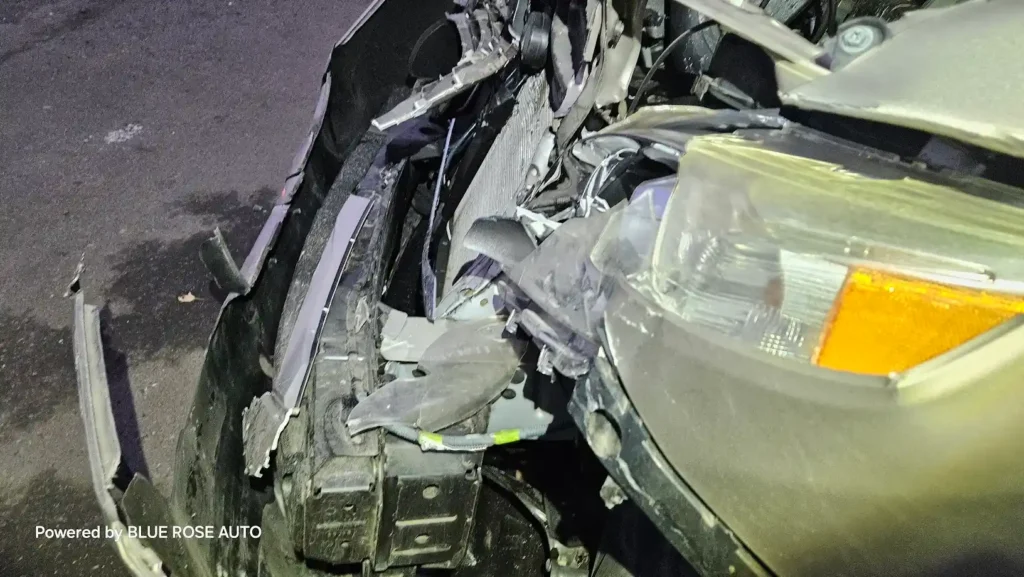
Fault matters less than people think. Collision pays your own repair whether you caused the crash or not, so some drivers claim through it even when the other driver is to blame, rather than wait for the other insurer to accept fault.
What Collision Coverage Does Not Pay For
Collision is coverage for your car’s body and the parts damaged in the impact. Everything else sits in a different part of the policy, or nowhere.
- The other driver’s car and injuries are paid by your liability coverage when you are responsible.
- Medical bills for you and your passengers go to personal injury protection, which DFR describes as reasonable and necessary expenses within two years, up to $15,000 or your PIP limit.
- Fire, theft, hail, falling objects, vandalism, animal collisions and floods are comprehensive losses.
- Belongings inside the car. DFR says auto policies generally do not cover personal property stolen or damaged in a crash. Homeowner or renter policies may.
- Wear and mechanical failure, such as an engine or transmission that quits on its own, because nothing collided.
- A rental while your car is in the shop, unless you bought rental reimbursement. DFR is blunt that auto insurance “does not automatically cover the cost of a rental car.”
Oregon Car Insurance Coverage Types Compared
Three of these are required by Oregon law. The rest are your choice, and the table shows which statute or agency sets each number.
| Coverage | What it pays for | Required in Oregon | Key number |
|---|---|---|---|
| Liability | Injuries and property damage you cause to others | Yes | $25,000 per person, $50,000 per crash, $20,000 property (ORS 806.070) |
| Personal injury protection (PIP) | Medical costs and some other losses for you and your passengers, regardless of fault | Yes | At least $15,000 per person |
| Uninsured motorist (UM) | Injuries caused by an uninsured or hit-and-run driver | Yes | $25,000 per person, $50,000 per crash |
| Uninsured motorist property damage (UMPD) | Damage to your car caused by an uninsured driver | No, but insurers must offer it | First $200 not covered, or $300 after a hit-and-run (ORS 742.510) |
| Collision | Your own car after hitting a vehicle or object, or overturning | No | Your collision deductible |
| Comprehensive | Fire, theft, hail, falling objects, vandalism, animal strikes, floods | No | Your comprehensive deductible |
| Rental reimbursement | A rental while your car is being repaired | No | Limits set by your policy |
Minimums come from Oregon DMV’s insurance requirements page and ORS 806.070. Lenders and lease companies can require more than the law does.
Collision vs Comprehensive Claims in Oregon
The line between the two is about what happened, not how bad the damage looks. A car that slides into a deer and a car that slides into a guardrail can look identical at the shop, yet DFR lists animal collisions under comprehensive.
That split often helps you. Comprehensive deductibles are usually the lower of the two, so a deer strike or a branch through the windshield can cost you less out of pocket than a fender bender. If you hit a deer in Lane County, file it as comprehensive and photograph the animal or the hair left on the bumper. Wiring that rodents chewed through is usually a comprehensive claim too. DFR’s own example of a tree falling on a parked car lands in the same place, and if the owner only carries liability, nothing pays for the car.
How Your Collision Deductible Works
The deductible is the share of each claim you pay before the insurer pays the rest. Say the approved repair is $3,000 and your collision deductible is $500. You pay the shop $500 and the insurer pays $2,500.
A higher deductible lowers the premium. It also raises what you pay on every claim. On a $1,000 deductible, a $1,200 bumper repair returns only $200, which is why many drivers pay small repairs themselves. That choice is yours to make with the numbers in front of you, and the shop estimate is what gives you those numbers.
When the other driver caused the crash, you can claim through their insurer or yours. DFR explains that if you use your own company you pay your deductible, and you “should get the deductible back from the other company if the other company accepts responsibility.”
Is Collision Insurance Required in Oregon
No. DFR states that neither collision nor comprehensive is required in Oregon, because state law requires coverage for harm you do to others, not for your own property. A car loan or lease is another matter. Those contracts often require both coverages until the car is paid off, so read yours before you drop anything.
For an older car that may cost more to repair than it is worth, DFR suggests raising your deductibles or dropping collision, comprehensive or both. A rough test is to compare a year of collision premium plus the deductible against what the car would sell for. If the two are close, the coverage buys very little.
One more detail people miss. Coverage follows the vehicle, so if a relative borrows your car and slides off an icy road while you carry no collision, there is no coverage for the car itself, whoever was driving.
Winter Collision Claims in Lane County
DFR’s winter page opens by warning that icy, snowy roads plus drivers who are not used to them push crash risk up. Its first example is the simplest winter claim. You slide into another car. Collision pays for your car after the deductible, and your liability coverage pays for the other car if you are found responsible.
Fall adds deer. October and November are the peak months for deer and elk strikes in Oregon, and those go to comprehensive, not collision. For the rest of the season’s prep, our wet-winter car care notes for Eugene and Springfield and the Willamette Pass driving checklist cover tires, brakes and chains.
Your Rights and Next Steps After a Crash in Oregon
Each answer below is short on purpose. Where a longer explanation exists, the link takes you to it.
When You Must File a DMV Report
Oregon requires a report when anyone is injured or killed, when damage to your vehicle is over $2,500, when any vehicle has more than $2,500 in damage and a vehicle is towed, or when other property takes more than $2,500 in damage (ORS 811.720). The driver has 72 hours to file. The form is the Oregon Traffic Collision and Insurance Report (ORS 811.725), and Oregon DMV issues a suspension notice when a required report is not filed.
Choosing Your Own Body Shop
ORS 746.280 bars an insurer from requiring a particular shop as a condition of paying you, and before an adjuster recommends one they must tell you, in substance, “OREGON LAW PROHIBITS US FROM REQUIRING YOU TO GET REPAIRS TO YOUR VEHICLE AT A PARTICULAR MOTOR VEHICLE REPAIR SHOP. YOU HAVE THE RIGHT TO SELECT THE MOTOR VEHICLE REPAIR SHOP OF YOUR CHOICE.” DFR adds one caution worth taking seriously. Tell your insurer before you sign with a shop, because if you choose the most expensive shop in town, the insurer may not pay the whole bill.
Aftermarket Parts on Your Estimate
Without your consent, an insurer may not require a body shop to install an aftermarket crash part unless an independent test facility has certified it as at least equivalent in fit, finish, function and corrosion resistance (ORS 746.287). Consent is the key word. Insurers can still choose certified aftermarket or recycled parts, and your policy decides whether factory parts are owed.
What Your Estimate and Invoice Must Show
On request, an Oregon body and frame shop has to give you a written estimate of parts and labor before starting. It cannot charge more without your consent (ORS 746.292). The final invoice must list all work and parts and say plainly when any used parts went in.
When the Insurer Says the Car Is Totaled
Oregon law defines a totaled vehicle in ORS 801.527, and the familiar 80 percent figure applies only when no insurer covers the damage. With insurance, no percentage applies. The company decides whether repair is practical and pays actual cash value, not your loan balance, so read how Oregon total-loss claims work before you accept an offer.
Hit by a Driver With No Insurance
Your car’s damage is paid by collision or by uninsured motorist property damage (UMPD) coverage. Every Oregon insurer must offer UMPD, and you are free to decline it. UMPD has two gaps. It does not pay the first $200 of damage, or the first $300 after a hit-and-run or phantom vehicle, and it does not pay for loss of use (ORS 742.510).
Hit a Deer
A deer strike is a comprehensive claim, so it pays only if you carry comprehensive, minus that deductible. The first-hour steps after a deer hit include when the DMV report applies and what to photograph.
Rodents Chewed the Wiring
Chewed wiring usually falls under comprehensive, minus your deductible, because nothing collided. What a policy excludes varies, so check how rodent damage claims are handled before the shop starts tracing wires.
How Long the Insurer Has to Respond
DFR says the insurance company has up to 45 days to investigate a crash and decide who is responsible for what share. On a claim with your own insurer, Oregon rule OAR 836-080-0235 requires an acceptance or denial no later than the 30th day after it receives properly completed proof of loss, and any denial must be in writing and cite the policy provision.
Where to Complain About a Claim
If an adjuster steers you, stalls or will not explain a denial, the DFR consumer hotline is 888-877-4894 (toll-free). Keep a log of every call. Complaints can also go through the DFR online complaint form.
How Blue Rose Auto Repairs Collision Damage After a Claim
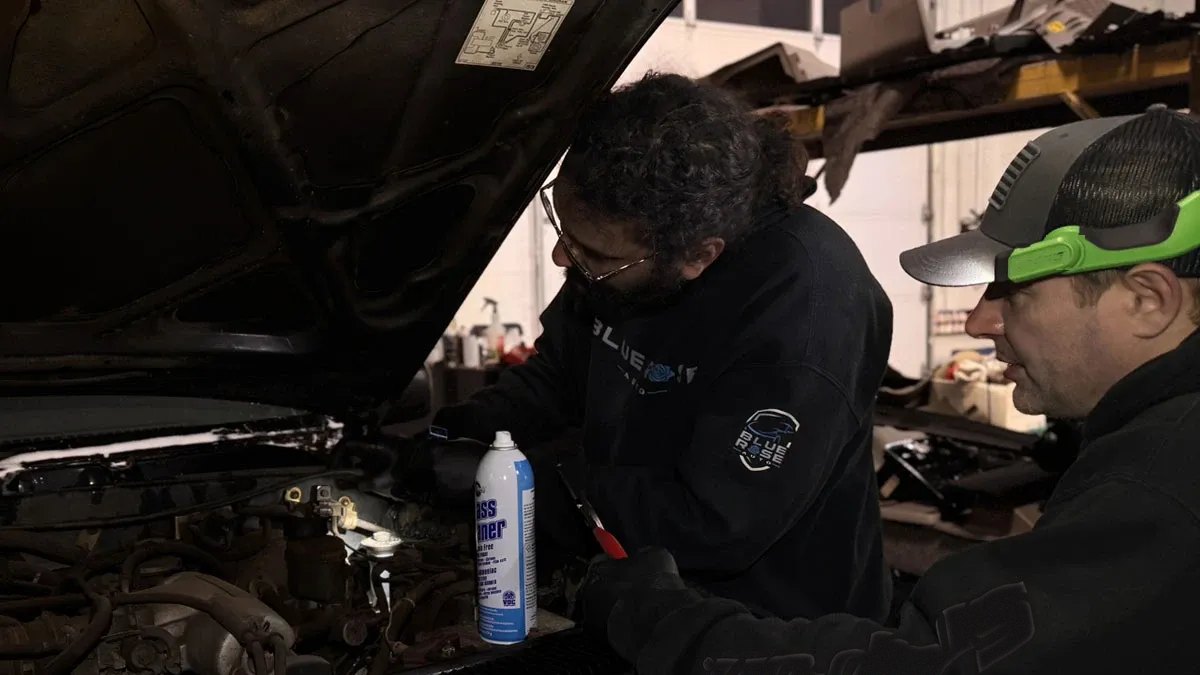
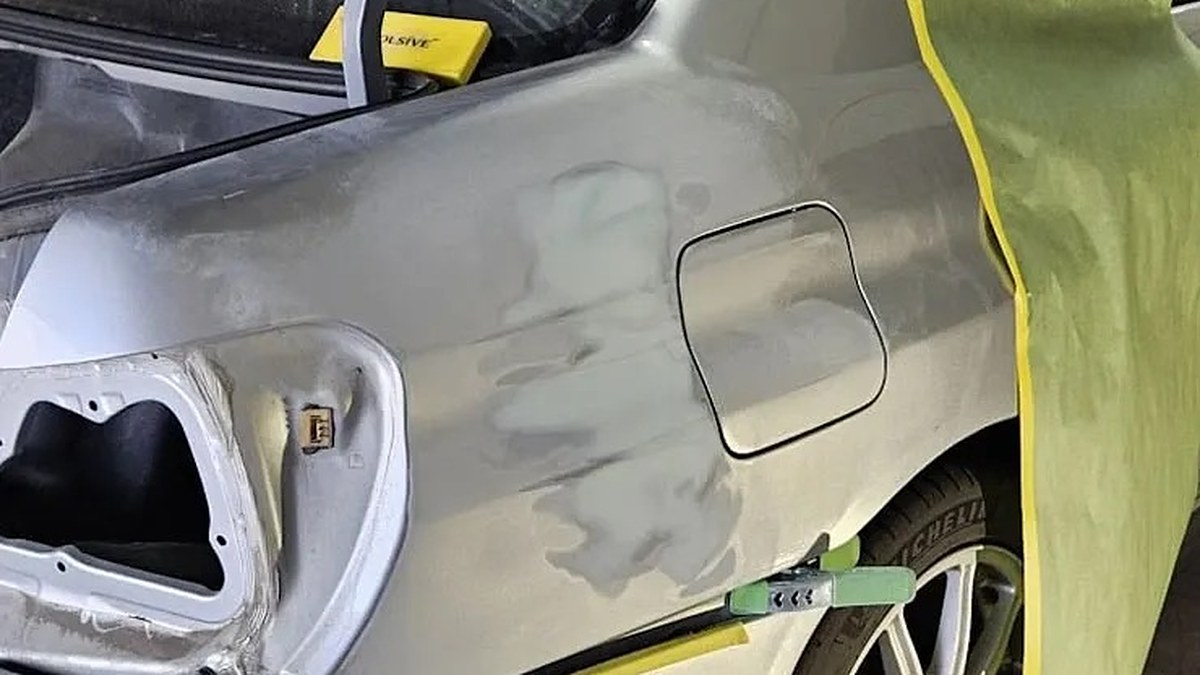
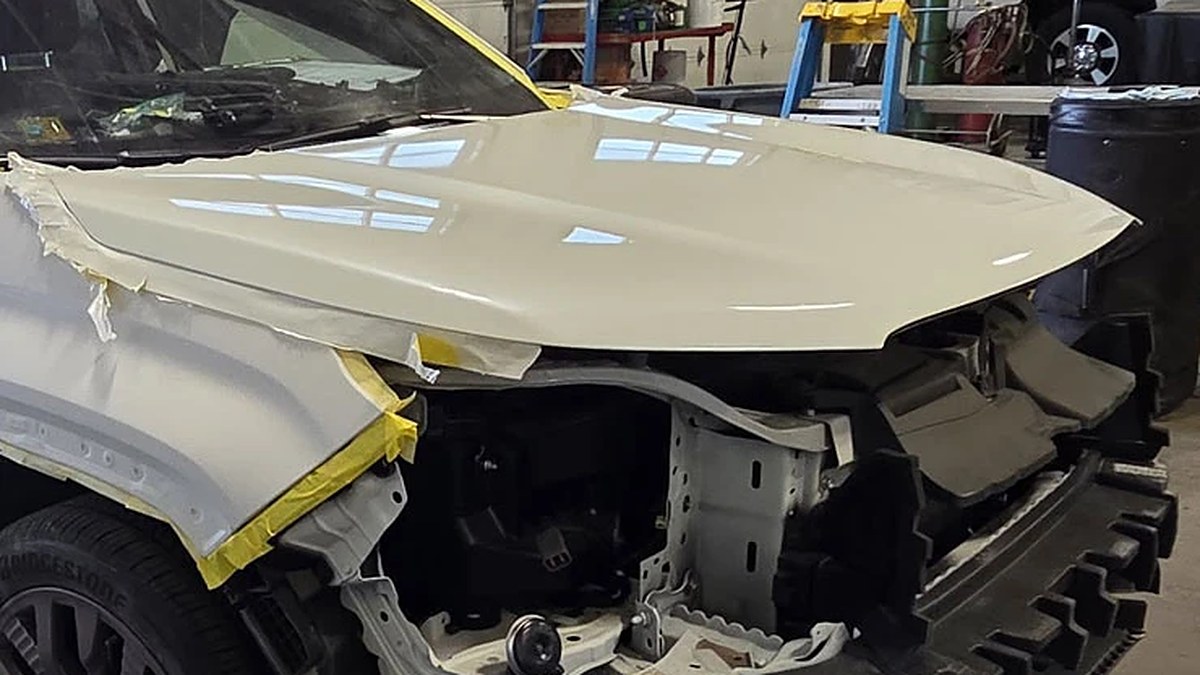
Blue Rose Auto repairs collision damage at 3436 Olympic St in Springfield, about 15 minutes from downtown Eugene via I-105. We inspect the car and write an itemized estimate of parts and labor that you can give your insurer, whichever company that is. Hidden damage often shows up only after a bumper cover comes off, and when it does we tell you what we found before the work changes.
Our ASE-certified technicians handle body, structure and paint, plus the mechanical parts a crash bends, such as control arms and alignment. Blue Rose Auto is a Tesla Approved Body Shop for Tesla collision and structural repair, and every collision repair carries our 3-year/36,000-mile warranty. Eugene drivers can read how collision repair for Eugene, Oregon drivers works at our shop, Springfield drivers have collision repair in Springfield, Oregon close to home, and the auto body and collision repair we do covers every make. Blue Rose Auto opened in 1994.
Frequently Asked Questions About Collision Insurance in Oregon
What does collision insurance cover in Oregon?
Collision covers damage to your own car when it collides with another vehicle or object, or overturns, which is how the Oregon Division of Financial Regulation defines it. The insurer pays the approved repair minus your deductible, up to the car’s value. It pays whether or not you caused the crash.
Does collision insurance cover hitting a pole or guardrail?
Yes. A pole, guardrail, fence, curb or parked car is an object, so hitting one is a collision claim. Low-speed hits can still damage bumper reinforcements, sensors and alignment, so ask the shop to check behind the cover before you settle on a small repair.
Is collision insurance required in Oregon?
No. Oregon requires liability, personal injury protection and uninsured motorist coverage, but DFR says neither collision nor comprehensive is required. A car loan or lease often requires both until the car is paid off, so check your finance contract before dropping either one.
Does collision insurance cover weather damage?
Not hail, floods or a tree falling on a parked car. Those are comprehensive losses. Weather can still lead to a collision claim, though. Sliding on ice into another car, a ditch or a guardrail counts as collision, because the car hit something.
Does collision insurance cover hitting a deer?
Usually not. DFR lists animal collisions under comprehensive coverage, so a deer strike is paid by comprehensive, minus that deductible. Describe exactly what happened when you file, because the coverage follows what the car actually hit. Photos of the animal or the hair left on the bumper help show it.
What is a collision deductible?
It is the amount you pay on each collision claim before the insurer pays the rest. On a $3,000 repair with a $500 deductible, you pay $500 and the insurer pays $2,500. If the other driver’s insurer later accepts fault, DFR says you should get the deductible back.
Can collision insurance cover a total loss?
Yes. If the insurer decides repair is not practical, it declares the car a total loss and pays its actual cash value at the time of the loss. That payment is based on the car’s value, not your loan balance, which is the gap that GAP coverage is sold to fill.
Does collision insurance cover the other driver’s car?
No. Collision only covers your own car. Damage you cause to someone else’s car or property is paid by your liability coverage, which Oregon requires at a minimum of $20,000 for property damage in any one crash under ORS 806.070.
Does collision insurance pay for a rental car?
No. A rental comes from rental reimbursement coverage, which you buy separately, and DFR notes it is relatively inexpensive. When the other driver is at fault and you cannot drive your car, DFR says their insurer must pay you for loss of use.
How much does collision coverage cost?
Each insurer sets its own rate, so the honest answer is a quote. The price moves with the car’s value, your deductible and your driving history, and DFR notes that premiums reflect your driving record for the past three years. Raising the deductible is the quickest way to lower it.
When should collision insurance be dropped?
Consider it when the car is paid off and worth little more than a year of collision premium plus your deductible. DFR suggests raising deductibles or dropping collision on an older car that may cost more to repair than it is worth. Keep it if you could not replace the car without it.
Does my insurance company choose the repair shop?
No. Under ORS 746.280 an Oregon insurer may not require you to use a particular shop as a condition of paying the claim, and it must tell you that before recommending one. It can still limit payment to what the policy allows, so tell the insurer which shop you chose before repairs start.
Get Your Car Inspected After a Collision
An insurance claim moves faster when the estimate is detailed from the start. Call Blue Rose Auto at (541) 641-8877 or book a collision inspection online, and bring the car to 3436 Olympic St in Springfield. This post is general information, and your policy and your insurer have the final word on coverage.
Sources
- Oregon Division of Financial Regulation, Review your insurance (winter weather)
- Oregon Division of Financial Regulation, Auto insurance FAQs
- Oregon Division of Financial Regulation, Accidents and insurance
- Oregon Division of Financial Regulation, Repair shops
- Oregon Division of Financial Regulation, Totaled vehicle
- Oregon Division of Financial Regulation, Auto insurance 101
- Oregon DMV, Insurance requirements
- Oregon DMV, Collision reporting
- ORS 806.070, Minimum payment schedule, Oregon Revised Statutes 2025 Edition
- ORS 742.510, Property damage coverage for damage caused by uninsured vehicle
- ORS 811.720, When accident must be reported to Department of Transportation
- ORS 811.725, Driver failure to report accident to Department of Transportation
- ORS 746.280, Designation of particular motor vehicle repair shop by insurer prohibited
- ORS 746.287, Insurer requirement of installation of aftermarket crash part
- ORS 746.292, Motor vehicle repair shops, invoices, estimates and prohibited practices
- ORS 801.527, Totaled vehicle definition
- OAR 836-080-0235, Standards for prompt and fair settlements
0 Comments