
Slipping Transmission Symptoms for Drivers in Eugene, Springfield, and Nearby Oregon Communities
Gear changes should feel smooth and predictable, yet when something feels off during acceleration or shifting, many drivers start noticing slipping transmission symptoms without knowing exactly what is happening inside the system. A transmission does a lot of work behind the scenes, and even small issues can quickly affect how a vehicle drives.
Across Eugene, Springfield, Junction City, Cottage Grove, Veneta, and nearby Oregon areas, daily driving patterns like stop-and-go traffic, hills, and longer commutes can place steady strain on transmission components. Over time, fluid breakdown, internal wear, or heat buildup can lead to slipping.
Catching early warning signs helps prevent major repairs and keeps the vehicle driving safely.
Slipping Transmission Symptoms You Should Never Ignore
Transmission problems often begin with subtle changes before becoming more obvious.
Common signs include:
- Delayed acceleration
Pressing the gas may cause the engine to rev higher before the vehicle responds. This delay often signals internal slipping. - Hard or rough shifting
Gear changes may feel abrupt or jerky instead of smooth. - Unusual engine revving
The engine may rev without a matching increase in speed. - Burning smell
Overheated transmission fluid may produce a noticeable odor. - Gear hesitation or skipping
The vehicle may struggle to stay in gear or shift unexpectedly.
Drivers visiting an Auto Mechanic in Eugene, Oregon, often describe these symptoms before a full diagnosis.
How Do You Know If a Transmission Is Slipping
One of the most common questions heard in the shop is how do you know if a transmission is slipping when the vehicle still drives.
The answer usually comes down to how the vehicle responds under load.
If engine speed increases without a matching increase in vehicle speed, slipping is likely happening.
If gear changes feel inconsistent or unpredictable, internal components may be wearing.
Drivers frequently notice the issue most during:
- merging onto highways
- climbing hills
- accelerating from a stop
- shifting between gears at low speeds
Drivers often consult an Auto Mechanic in Springfield, Oregon, after noticing these changes during daily commutes.
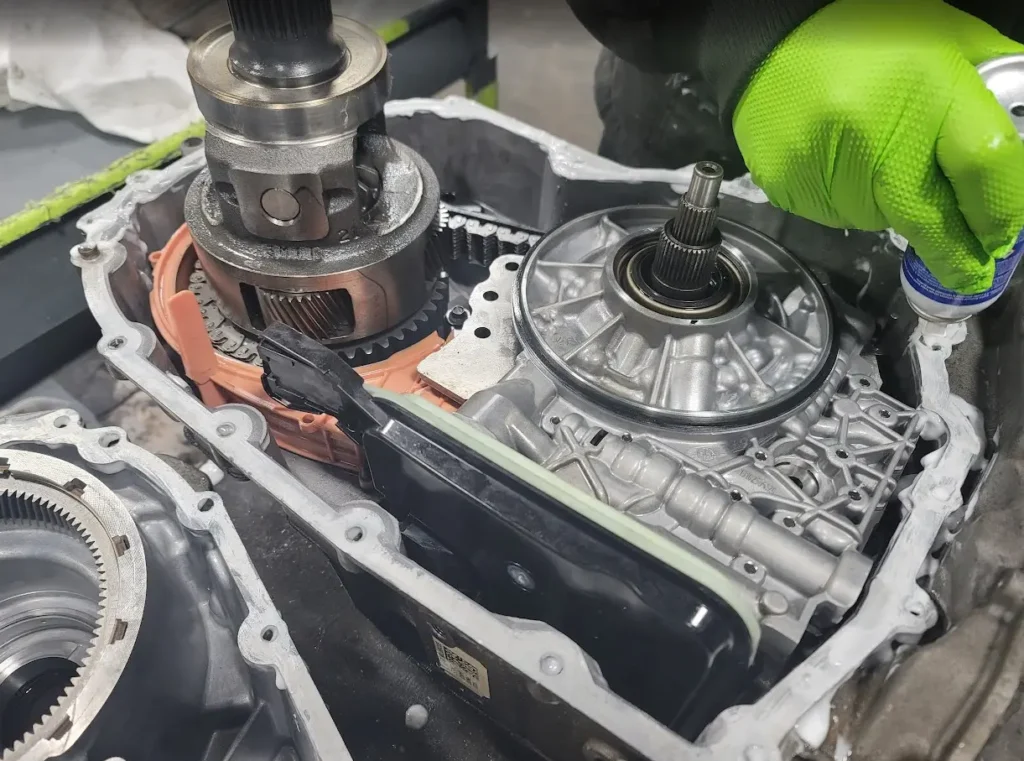
What Causes Transmission Slipping
Several factors contribute to slipping over time.
- Low or worn transmission fluid
Fluid provides pressure and lubrication. When levels drop or fluid breaks down, performance suffers. - Worn clutch components
Internal parts lose grip over time, especially in higher-mileage vehicles. - Overheating
Excess heat reduces fluid effectiveness and accelerates wear. - Internal seal wear
Pressure loss inside the transmission can cause slipping.
Many drivers ask about transmission fluid for a slipping transmission as a starting point, since fluid condition often plays a major role.
Transmission Repair Costs in Eugene and Springfield
Repair costs depend on how early the issue is caught.
Typical estimates include:
- fluid service and minor repair: $150 – $400
- solenoid or sensor repair: $300 – $800
- clutch or internal component repair: $1,000 – $2,500
- full transmission rebuild or replacement: $2,500 – $5,500+
Addressing slipping early usually keeps costs lower and prevents more extensive repairs.
What Happens During a Transmission Inspection
Inspection begins with checking the fluid level and condition.
Technicians look for:
- fluid discoloration
- burnt smell
- leaks
- diagnostic trouble codes
A road test follows to confirm symptoms under real driving conditions.
If needed, further inspection may include pressure testing or internal evaluation.
Drivers traveling between nearby towns often visit an Auto Mechanic in Junction City, Oregon, after noticing slipping during longer drives.
Vehicle owners from surrounding areas frequently schedule checks with an Auto Mechanic In Cottage Grove, Oregon, when shifting becomes less consistent.
Services Often Recommended Alongside Transmission Work
Transmission issues sometimes reveal other maintenance needs.
Electrical checks may lead to battery replacement and charging if the starting performance is also affected.
Exterior damage may require collision repair if the impact affected drivetrain alignment.
Many drivers schedule auto detailing after repairs to refresh the vehicle.
Business vehicles often combine maintenance with commercial wraps to maintain a clean and professional look.
Drivers often add car window tinting to improve driving comfort.
Why Acting Early Prevents Bigger Transmission Problems
Transmission slipping rarely fixes itself. Small issues grow quickly as internal components continue to wear.
Ignoring early signs can lead to:
- complete transmission failure
- loss of drive power
- higher repair costs
- unsafe driving conditions
Regular inspection helps catch problems before major damage occurs.
Frequently Asked Questions About Transmission Slipping
What are the first signs of a slipping transmission?
Delayed acceleration and high engine revving are common early signs.
Can low fluid cause slipping?
Yes, low or worn fluid often leads to slipping.
Is it safe to drive with a slipping transmission?
It may still drive, but the condition can worsen quickly.
How long does a transmission inspection take?
Most inspections take one to two hours.
Can fluid replacement fix slipping?
In some cases, yes, especially if caught early.
What causes transmission overheating?
Heavy use, low fluid, and poor cooling can increase heat.
How much does repair usually cost?
Most repairs range from $300 to $2,500, depending on severity.
Does slipping affect fuel efficiency?
Yes, it often reduces efficiency.
Can transmission slipping be prevented?
Regular fluid checks and maintenance help reduce risk.
When is replacement necessary?
Severe internal damage usually requires rebuilding or replacement.
Keep Your Vehicle Shifting Smooth and Reliable
Recognizing slipping transmission symptoms early helps prevent costly repairs and keeps your vehicle safe on the road. Smooth shifting is a sign that your transmission is working properly, and small changes often point to early issues that are easier to fix. Drivers across Eugene, Springfield, Junction City, Cottage Grove, Veneta, and nearby Oregon communities benefit from regular inspections and timely service.
If your vehicle hesitates, revs unusually, or struggles to shift, Blue Rose Auto can inspect the transmission and recommend the right repair. Call (541) 641-8877 today to schedule service or contact us online to book an appointment at a convenient time.
See Also:

0 Comments