
Why Automatic Transmissions Slip: A Guide for Eugene and Springfield Drivers
A slipping automatic transmission means the transmission is losing its grip on the gear you’re in. Most of the time that traces back to low or worn fluid, a failing torque converter, or worn clutch packs and solenoids. It’s worth handling early with a proper transmission service, because a cheap fluid fix that gets ignored often turns into a full rebuild.
Few vehicle problems make drivers more nervous than feeling the transmission hesitate while accelerating. One moment the engine revs normally, and the next the vehicle struggles to gain speed or suddenly shifts harder than expected. Those changes often point to an automatic transmission slipping, a condition that should never be ignored.
Drivers throughout Eugene, Springfield, Junction City, Cottage Grove, Veneta, and nearby Oregon communities rely on their vehicles every day. Whether commuting to work, running errands, or taking weekend trips, a healthy transmission keeps power moving smoothly from the engine to the wheels. Once slipping begins, additional internal damage can develop if repairs are delayed.
Knowing what causes transmission slipping helps vehicle owners respond before repair costs increase.
What Does Automatic Transmission Slipping Mean?
An automatic transmission is designed to shift gears smoothly without noticeable hesitation.
When automatic transmission slipping occurs, the transmission struggles to keep the selected gear engaged.
Drivers may notice:
- Engine RPM increasing without matching vehicle speed. The engine works harder, yet acceleration feels weak.
- Delayed movement after shifting into Drive or Reverse. The vehicle hesitates before responding.
- Sudden gear changes. Shifts become rough or unpredictable during normal driving.
- Reduced pulling power. Climbing hills or merging onto highways may feel more difficult.
Drivers visiting an Auto Mechanic in Eugene, Oregon often report these symptoms before discovering internal transmission wear.
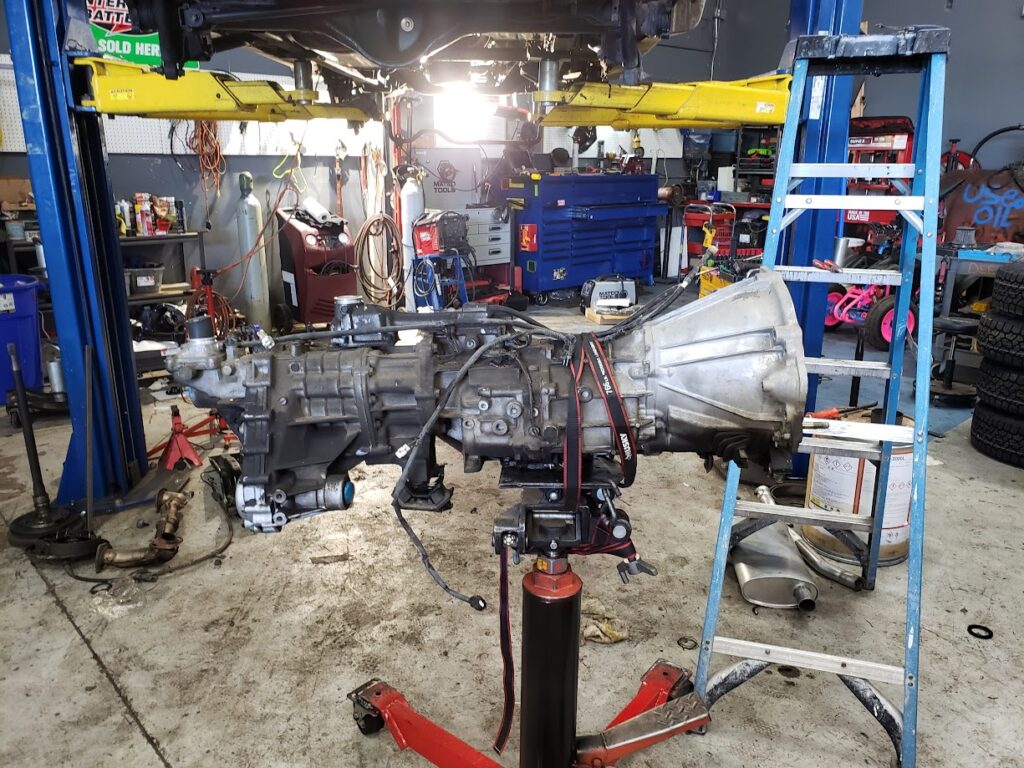
Low Transmission Fluid Is One of the Most Common Causes
Transmission fluid performs several important jobs inside the transmission.
It helps:
- Lubricate moving components
- Create hydraulic pressure
- Reduce operating temperatures
- Allow smooth gear changes
Low fluid levels may result from:
- Leaking seals
- Damaged transmission lines
- Worn gaskets
- Neglected maintenance
Without enough fluid, gears may begin slipping under normal driving conditions.
Routine fluid inspections often prevent much larger transmission problems.
Worn Clutches and Internal Components
Automatic transmissions contain friction materials that wear gradually over time.
As internal components wear, drivers may notice:
- Delayed acceleration
- Inconsistent shifting
- Higher engine RPM
- Reduced performance
Mileage, driving habits, and maintenance history all influence how quickly internal wear develops.
Drivers working with an Auto Mechanic in Springfield, Oregon frequently learn that early diagnosis helps prevent complete transmission failure.
Overheating Can Damage the Transmission
Heat is one of the biggest enemies of automatic transmissions.
Several situations increase operating temperature:
- Heavy stop-and-go traffic
- Towing heavy loads
- Low transmission fluid
- Cooling system problems
Excessive heat breaks down transmission fluid and reduces its ability to protect internal components.
Repeated overheating often shortens transmission life significantly.
Electronic Problems Can Cause Shifting Issues
Modern vehicles depend on electronic controls for transmission operation.
Faults involving:
- Sensors
- Shift solenoids
- Wiring
- Transmission control modules
May cause slipping symptoms even when internal parts remain in good condition.
Diagnostic testing helps identify electronic faults before unnecessary repairs are performed.
Drivers traveling through nearby Oregon communities often visit an Auto Mechanic in Junction City, Oregon after dashboard warning lights appear alongside shifting problems.
Vehicle owners from surrounding communities regularly schedule inspections with an Auto Mechanic In Cottage Grove, Oregon when shifting becomes inconsistent.
Warning Signs That Should Never Be Ignored
Transmission slipping usually becomes more noticeable over time.
Watch for:
- Burning smells
- Delayed gear engagement
- Hard shifting
- Transmission warning lights
- Fluid leaking underneath the vehicle
Addressing these symptoms early often prevents much larger repair bills.
Ignoring warning signs allows additional wear inside the transmission.
Automatic Transmission Repair Costs
Repair costs depend on the source of the problem.
Typical estimates include:
- Transmission fluid service: $150 – $350
- Solenoid replacement: $300 – $900
- Leak repair: $250 – $1,000
- Clutch pack repair: $1,500 – $3,500
- Complete transmission rebuild or replacement: $3,500 – $8,000+
The final cost depends on:
- Vehicle make and model
- Internal damage
- Labor requirements
- Replacement parts
Early diagnosis often helps reduce overall repair expenses.
Services Commonly Performed Alongside Transmission Repairs
Transmission inspections frequently reveal other maintenance needs.
Electrical testing may lead to battery replacement and charging if charging system problems affect vehicle electronics.
Accident-related drivetrain damage sometimes requires collision repair before mechanical repairs can be completed.
Many vehicle owners schedule auto detailing once repairs are finished to refresh the vehicle.
Business owners often update fleet appearance through commercial wraps after major repairs.
Drivers frequently install car window tinting to improve cabin comfort during daily driving.
How Regular Maintenance Helps Prevent Transmission Problems
Preventive maintenance extends transmission life and improves performance.
Helpful maintenance includes:
- Checking transmission fluid regularly
- Repairing leaks promptly
- Following manufacturer service intervals
- Avoiding repeated overheating
- Scheduling inspections when shifting changes appear
Small maintenance visits often cost far less than major transmission repairs.
Frequently Asked Questions about Automatic Transmission Slipping
What causes automatic transmission slipping?
Low fluid, worn internal parts, overheating, and electronic faults are common causes.
Can low transmission fluid cause slipping?
Yes. Low fluid reduces hydraulic pressure needed for proper gear engagement.
Is it safe to drive with a slipping transmission?
Driving may cause additional internal damage if repairs are delayed.
How much does transmission repair cost?
Repairs typically range from $150 to more than $8,000, depending on the problem.
Will changing the fluid stop transmission slipping?
If low or contaminated fluid is the cause, a service may improve performance.
Can overheating damage a transmission?
Yes. Excessive heat shortens fluid life and damages internal components.
What does slipping feel like?
The engine revs higher than normal while the vehicle accelerates slowly.
Does a slipping transmission always need replacement?
No. Some problems can be corrected without replacing the entire transmission.
How often should transmission fluid be checked?
Fluid should be inspected during routine maintenance or whenever shifting changes occur.
Should transmission slipping be repaired immediately?
Yes. Early repairs often prevent much more expensive internal damage.
Protect Your Transmission Before Small Problems Become Major Repairs
Learning why automatic transmission slipping begins allows drivers to act before internal damage becomes severe. Vehicle owners throughout Eugene, Springfield, Junction City, Cottage Grove, Veneta, and nearby Oregon communities benefit from early inspections that help restore smooth shifting and dependable performance.
If your transmission hesitates, slips between gears, or feels different during acceleration, Blue Rose Auto can diagnose the problem and recommend the right repair solution. Call (541) 641-8877 today to schedule an inspection or contact us online to book your appointment.
0 Comments