What Is Included in Drive Train Repair? A Guide for Drivers in Eugene, Springfield, and Nearby Oregon Communities
Many drivers hear the term “drive train” but are not completely sure what it includes. The drive train is responsible for transferring engine power to the wheels, allowing the vehicle to move safely and efficiently. When one component begins to wear out, the entire system can be affected. Knowing what is included in drive train repair helps vehicle owners understand why early inspections often prevent much larger repair bills.
Drivers throughout Eugene, Springfield, Junction City, Cottage Grove, Veneta, and nearby Oregon communities depend on reliable drive train performance every day. Whether driving through city traffic, traveling on highways, or climbing steep Oregon roads, every part of the drive train works together to deliver smooth acceleration and dependable handling.
Routine maintenance and timely repairs help extend the life of these important components.
What Is the Drive Train?
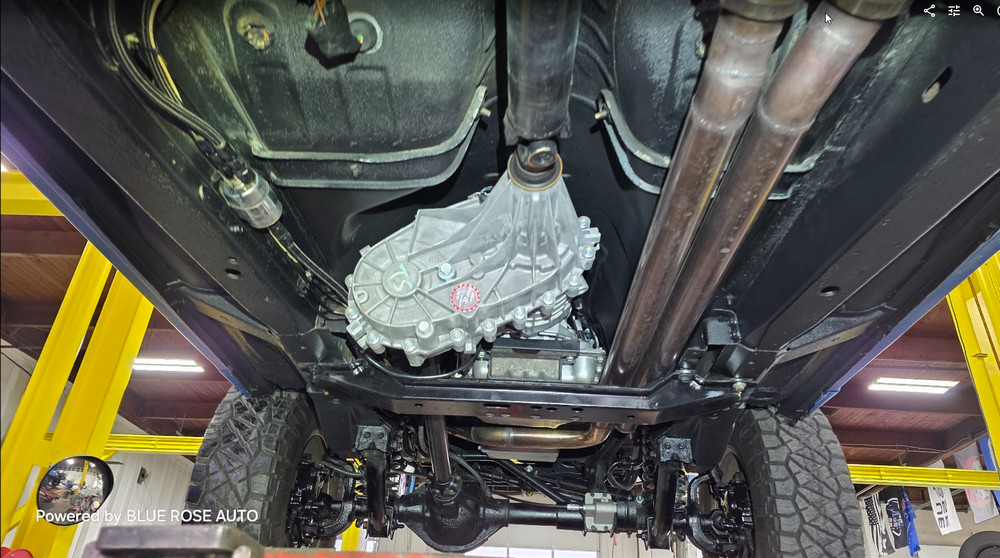
The drive train consists of the parts that transfer engine power to the drive wheels.
Depending on the vehicle, the drive train may include:
- Transmission.
The transmission manages gear changes and delivers the proper amount of power to the wheels. - Driveshaft.
This component transfers power from the transmission to the differential on many rear-wheel-drive and four-wheel-drive vehicles. - Differential.
The differential allows the wheels to rotate at different speeds while turning. - CV Axles or Drive Axles.
These shafts deliver power directly to the wheels while allowing suspension movement. - Universal Joints and CV Joints.
These joints allow smooth power transfer as suspension and steering components move.
Drivers visiting an Auto Mechanic in Eugene, Oregon often learn that a problem in just one drive train component can affect the entire system.
Common Warning Signs That You Need Drive Train Repair
Drive train problems often begin with subtle symptoms before becoming serious.
Watch for warning signs such as:
- Unusual vibrations.
Vibrations felt through the floor or steering wheel may indicate worn driveshaft or axle components. - Clicking or clunking noises.
Damaged CV joints, U-joints, or differentials often produce noticeable noises while turning or accelerating. - Difficulty accelerating.
Power may not transfer smoothly from the engine to the wheels. - Fluid leaks.
Transmission or differential fluid leaks should always be inspected promptly.
Ignoring these symptoms may allow additional damage to develop.
Transmission Repairs Are Often Part of Drive Train Repair
The transmission is one of the largest components within the drive train.
Repairs may include:
- Replacing leaking seals
- Repairing shift solenoids
- Replacing worn clutch packs
- Rebuilding internal components
- Replacing damaged transmissions
Transmission problems often begin with delayed shifting, slipping gears, or unusual noises.
Drivers working with an Auto Mechanic in Springfield, Oregon frequently discover that early transmission repairs prevent more expensive failures later.
Axle and CV Joint Repairs
Drive axles constantly transfer engine power while moving with the suspension.
Over time, components may develop:
- Worn CV joints
- Torn CV boots
- Leaking grease
- Clicking noises during turns
- Excessive vibration
Replacing damaged CV boots early often prevents complete axle replacement.
Routine inspections help identify wear before major failures occur.
Drivers traveling through nearby Oregon communities often visit an Auto Mechanic in Junction City, Oregon after hearing clicking noises during low-speed turns.
Vehicle owners from surrounding communities regularly schedule inspections with an Auto Mechanic In Cottage Grove, Oregon when axle vibrations become noticeable at highway speeds.
Differential Repairs Help Maintain Smooth Power Delivery
The differential allows the left and right wheels to rotate at different speeds while cornering.
Common differential repairs include:
- Fluid replacement
- Bearing replacement
- Seal replacement
- Gear repairs
- Complete differential rebuilding
Ignoring differential noise may lead to expensive internal damage.
Routine fluid service helps extend differential life significantly.
Drive Train Repair Costs in Eugene and Springfield
Drive train repair costs vary depending on which component requires service.
Typical estimates include:
- CV axle replacement: $300 – $800
- Driveshaft repair: $500 – $1,500
- Differential repair: $800 – $2,500
- Transmission repair: $1,500 – $4,500
- Complete transmission replacement: $3,500 – $8,000+
Several factors affect pricing:
- Vehicle make and model
- Replacement parts
- Labor requirements
- Extent of internal damage
Addressing problems early often reduces repair costs significantly.
Services Often Performed Alongside Drive Train Repairs
Drive train service frequently includes inspections of related vehicle systems.
Electrical testing may lead to battery replacement and charging if charging system performance has declined.
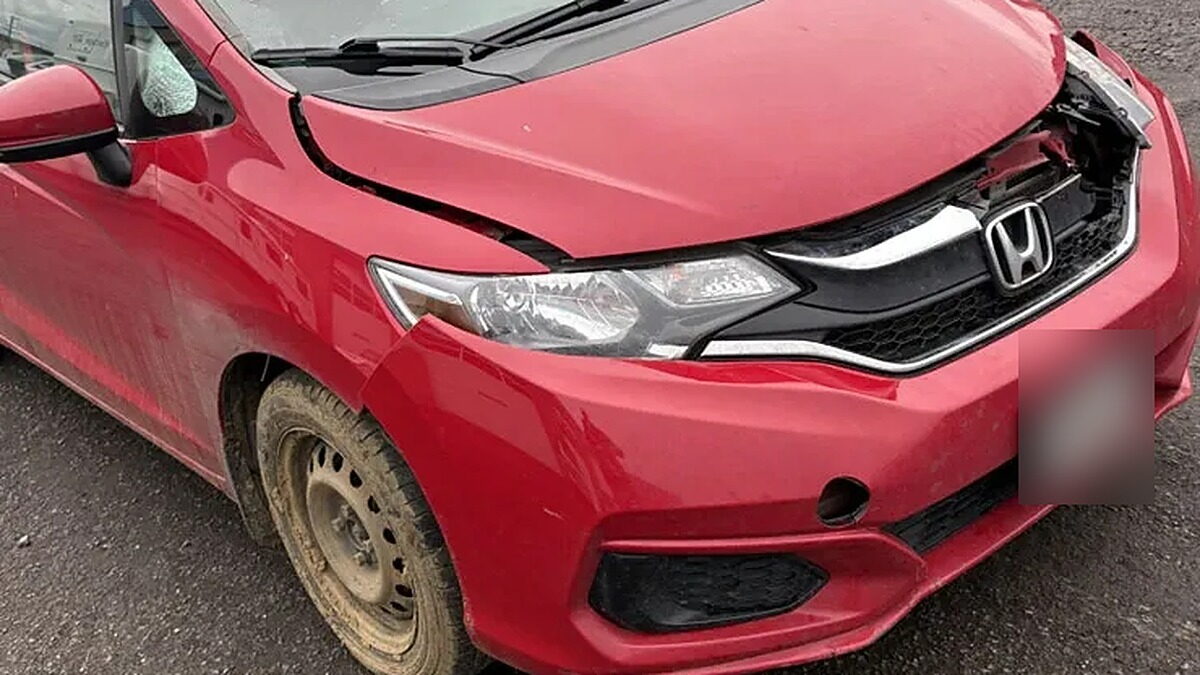
Vehicles involved in accidents sometimes require collision repair before mechanical repairs can begin.
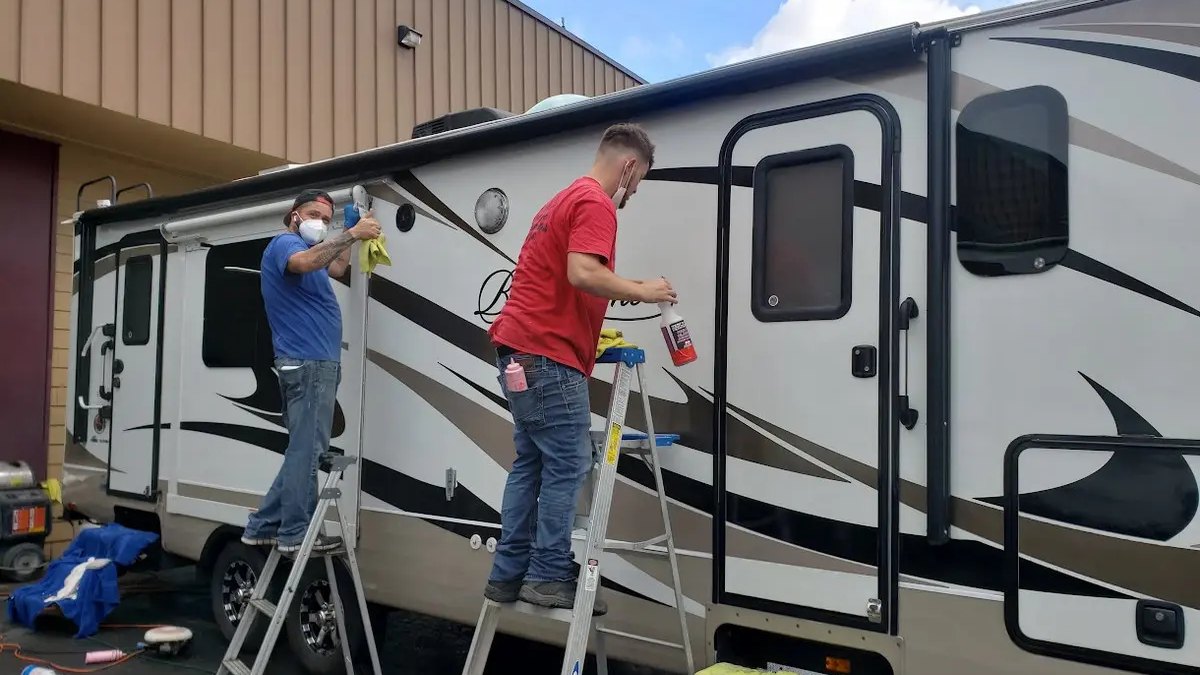
Many customers schedule auto detailing after major repairs to refresh the appearance of the vehicle.
Business owners often improve fleet presentation with commercial wraps once repairs are complete.
Drivers frequently install car window tinting to increase cabin comfort throughout the year.
Why Preventive Maintenance Protects the Drive Train
Regular maintenance helps every drive train component work together more efficiently.
Preventive service includes:
- Checking transmission fluid
- Inspecting CV boots
- Replacing differential fluid
- Examining driveshaft components
- Inspecting axle joints
Small maintenance visits often prevent much larger repairs later.
Keeping fluids clean and components properly lubricated helps extend the life of the entire drive train.
Frequently Asked Questions
What is included in drive train repair?
Drive train repair may include servicing the transmission, driveshaft, differential, axles, CV joints, and related components.
What are the signs of drive train problems?
Common symptoms include vibrations, clunking noises, fluid leaks, poor acceleration, and unusual shifting.
Can a damaged CV joint affect driving?
Yes. A worn CV joint may create clicking noises and eventually fail if left unrepaired.
How much does drive train repair cost?
Most repairs range from $300 to more than $8,000, depending on the damaged component.
Does the transmission belong to the drive train?
Yes. The transmission is one of the primary drive train components.
What causes differential noise?
Low fluid, worn bearings, or damaged gears commonly create whining or grinding sounds.
Should drive train fluid be serviced regularly?
Yes. Regular fluid changes help reduce wear and extend component life.
Can vibrations indicate drive train damage?
Yes. Driveshaft, axle, or CV joint problems frequently cause noticeable vibrations.
Is drive train repair covered during routine maintenance?
Routine inspections help identify wear, though repairs are completed only if problems are found.
Should drive train problems be repaired quickly?
Yes. Early repairs often prevent additional damage and reduce repair costs.
Keep Your Drive Train Working at Its Best
Understanding what is included in drive train repair helps drivers recognize early warning signs before they become major mechanical problems. Vehicle owners throughout Eugene, Springfield, Junction City, Cottage Grove, Veneta, and nearby Oregon communities benefit from regular inspections that keep power flowing smoothly from the engine to the wheels.
If your vehicle has vibrations, unusual noises, shifting problems, or drivetrain concerns, Blue Rose Auto can inspect the entire system and recommend the right repair solution. Call (541) 641-8877 today to schedule an inspection or contact us online to book your appointment.
0 Comments