
Common Car Suspension Problems Explained for Drivers in Eugene, Springfield, and Nearby Oregon Communities
A smooth and stable ride depends on more than just good tires. The suspension system works every time the vehicle accelerates, turns, brakes, or travels over uneven pavement. When suspension components begin wearing out, drivers often notice changes in handling long before a complete failure occurs. That is why learning about common car suspension problems can help prevent larger repair bills and improve driving safety.
Roads throughout Eugene, Springfield, Junction City, Cottage Grove, Veneta, and nearby Oregon communities expose suspension systems to potholes, rough pavement, speed bumps, and changing weather conditions. Those everyday driving situations gradually wear down shocks, struts, springs, bushings, and steering components.
Recognizing early warning signs allows repairs to be completed before additional parts become damaged.
The Suspension System Does More Than Improve Comfort
Many drivers think the suspension only makes the ride smoother. In reality, it performs several important functions.
The suspension helps:
- Keep the tires firmly on the road
- Improve steering response
- Support vehicle weight
- Reduce body movement during turns
- Absorb impacts from uneven pavement
When one component begins failing, nearby parts often experience extra stress.
Drivers visiting an Auto Mechanic in Eugene, Oregon frequently ask why the vehicle suddenly feels unstable after driving over rough roads.
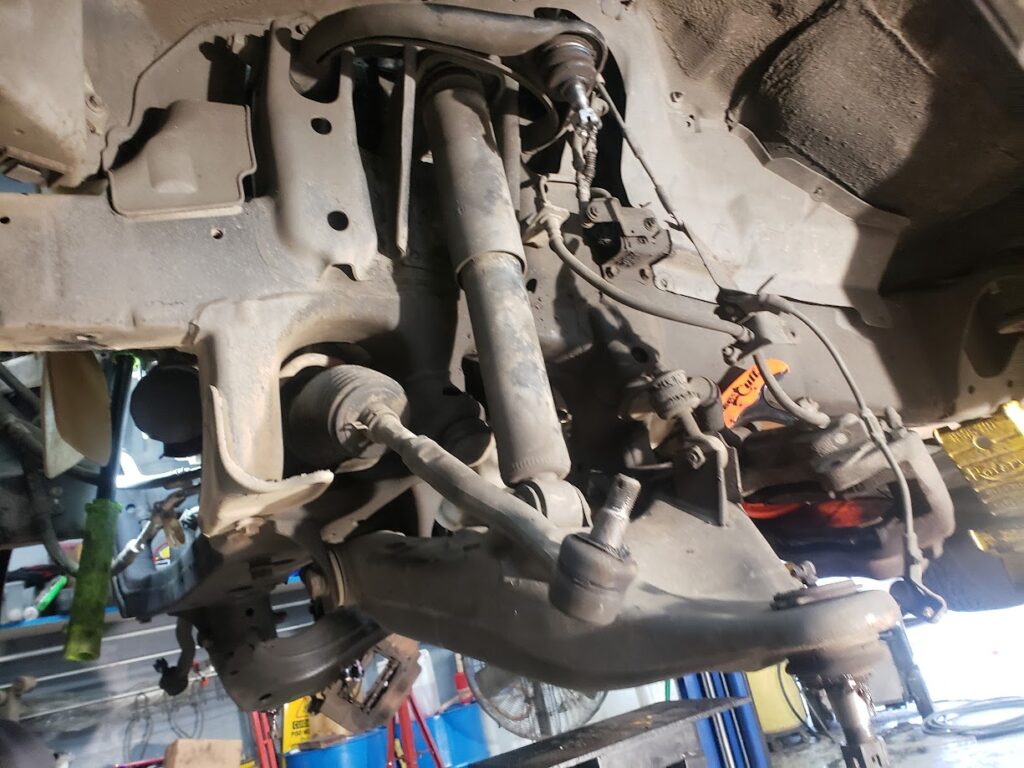
Excessive Bouncing Often Points to Worn Shocks or Struts
A vehicle should settle quickly after crossing a bump.
Common warning signs include:
- Repeated bouncing after bumps
- Front-end dipping during braking
- Increased body roll while turning
- Reduced ride comfort
Worn shocks and struts lose their ability to control suspension movement.
Replacing these components early often improves both ride quality and vehicle stability.
Uneven Tire Wear Can Signal Suspension Problems
Tires provide valuable clues about suspension condition.
Watch for:
- Excessive wear on one edge
- Cupped tread patterns
- Irregular wear across multiple tires
Uneven wear usually indicates that suspension parts no longer keep the tires properly aligned with the road.
Ignoring tire wear can shorten tire life and reduce traction.
Drivers working with an Auto Mechanic in Springfield, Oregon often discover that replacing worn suspension components helps prevent premature tire replacement.
Steering Feels Loose or Difficult to Control
A properly functioning suspension helps maintain predictable steering.
Drivers may notice:
- Wandering while driving straight
- Steering wheel vibration
- Loose steering feel
- Poor cornering stability
Several worn components can contribute to these symptoms, including ball joints, tie rods, and suspension bushings.
Prompt inspection helps identify the source before steering performance worsens.
Clunking and Knocking Noises Should Never Be Ignored
Suspension systems normally operate quietly.
Noises often develop when:
- Bushings wear out
- Sway bar links loosen
- Ball joints develop excessive play
- Mounting hardware becomes damaged
Clunking sounds may appear when driving over speed bumps, potholes, or uneven pavement.
Drivers traveling through nearby Oregon communities frequently visit an Auto Mechanic in Junction City, Oregon after hearing unusual noises from underneath the vehicle.
Vehicle owners from surrounding communities regularly schedule inspections with an Auto Mechanic In Cottage Grove, Oregon when suspension noises become more frequent.
One Corner of the Vehicle Sits Lower Than the Others
A vehicle should sit evenly on all four corners.
Visible sagging may indicate:
- Broken coil springs
- Weakened leaf springs
- Damaged suspension mounts
Driving with an uneven suspension places extra strain on tires, steering components, and alignment settings.
Repairing the issue quickly helps prevent additional wear.
Suspension Repair Costs in Eugene and Springfield
Repair costs depend on which components require replacement.
Typical estimates include:
- Shock or strut replacement: $300 – $1,200
- Sway bar link replacement: $150 – $500
- Ball joint replacement: $250 – $900
- Control arm replacement: $400 – $1,500
- Complete suspension restoration: $2,000 – $5,500+
The final cost depends on:
- Vehicle make and model
- Number of damaged parts
- Labor requirements
- Alignment services after repairs
Routine inspections often help catch problems before repairs become more expensive.
Services Often Performed Alongside Suspension Repairs
Suspension work is frequently combined with additional maintenance and repair services.
Electrical inspections sometimes lead to battery replacement and charging during routine service appointments.
Accident-related suspension damage may require collision repair if surrounding body panels or structural components are affected.
Many customers choose auto detailing after major repairs to refresh the vehicle inside and out.
Business owners often improve company vehicles with commercial wraps once repairs are completed.
Drivers frequently install car window tinting to improve comfort and reduce interior heat.
Why Early Suspension Repairs Save Money
Small suspension issues rarely remain isolated for long.
Prompt repairs help:
- Reduce uneven tire wear
- Improve steering stability
- Protect alignment settings
- Prevent additional suspension damage
- Improve overall driving comfort
Addressing worn components early often keeps repair costs lower than waiting for multiple parts to fail.
Frequently Asked Questions
What are the most common car suspension problems?
Worn shocks, damaged struts, broken springs, worn ball joints, and loose suspension bushings are among the most common issues.
Can bad suspension affect tire wear?
Yes. Suspension problems frequently cause uneven tire wear.
Why does my vehicle bounce after hitting a bump?
Worn shocks or struts often allow excessive suspension movement.
Is it safe to drive with suspension problems?
Driving may become less stable and harder to control if suspension damage becomes severe.
What causes clunking noises underneath a vehicle?
Loose or worn suspension components commonly create clunking sounds.
How much does suspension repair cost?
Most repairs range from $300 to $1,500, depending on the damaged components.
Can suspension problems affect steering?
Yes. Worn suspension parts often reduce steering precision.
How often should the suspension be inspected?
Many vehicles benefit from suspension inspections during regular maintenance visits.
Does hitting potholes damage the suspension?
Yes. Large potholes can bend or wear suspension components.
Should suspension problems be repaired quickly?
Yes. Early repairs help prevent additional wear and improve vehicle safety.
Restore a Smooth and Stable Ride With Professional Suspension Service
Understanding common car suspension problems helps drivers recognize warning signs before small issues grow into expensive repairs. Vehicle owners throughout Eugene, Springfield, Junction City, Cottage Grove, Veneta, and nearby Oregon communities benefit from suspension inspections that improve handling, comfort, and overall safety.
If your vehicle bounces excessively, pulls while driving, or makes unusual suspension noises, Blue Rose Auto can inspect the system and recommend the right repair solution. Call (541) 641-8877 today to schedule an inspection or contact us online to book your appointment.
0 Comments