Radiator Repair and Cleaning: Why It Matters for Your Vehicle
Your radiator plays a critical role in keeping your engine at the proper operating temperature. Without it, the engine can quickly overheat, leading to costly repairs and unexpected breakdowns. Over time, dirt, rust, mineral deposits, and old coolant can reduce the radiator’s efficiency, making radiator repair and cleaning an important part of routine vehicle maintenance.
Drivers throughout Eugene, Springfield, Junction City, Cottage Grove, Veneta, and nearby Oregon communities depend on their cooling systems year-round. Whether you’re commuting through city traffic or taking a longer road trip, a properly functioning radiator helps your engine perform efficiently while reducing the risk of overheating.
Routine inspections and maintenance can extend the life of both the radiator and the engine.
What Does the Radiator Do?
The radiator removes excess heat from the engine by circulating coolant through a network of tubes and cooling fins.
Its primary functions include:
- keeping engine temperatures stable
- preventing overheating
- protecting internal engine components
- improving overall engine efficiency
- supporting proper cooling system performance
When the radiator cannot remove heat efficiently, engine temperatures begin to rise, increasing the risk of mechanical damage.
Drivers visiting an Auto Mechanic in Eugene, Oregon often discover that routine radiator maintenance prevents more expensive cooling system repairs later.
Signs You Need Radiator Repair and Cleaning
Cooling system problems often develop gradually before becoming serious.
Common warning signs include:
- engine temperature running higher than normal
- coolant leaking underneath the vehicle
- rust-colored or dirty coolant
- steam coming from under the hood
- low coolant levels
- overheating while idling or driving
Ignoring these symptoms can allow overheating to damage the head gasket, water pump, thermostat, and other engine components.
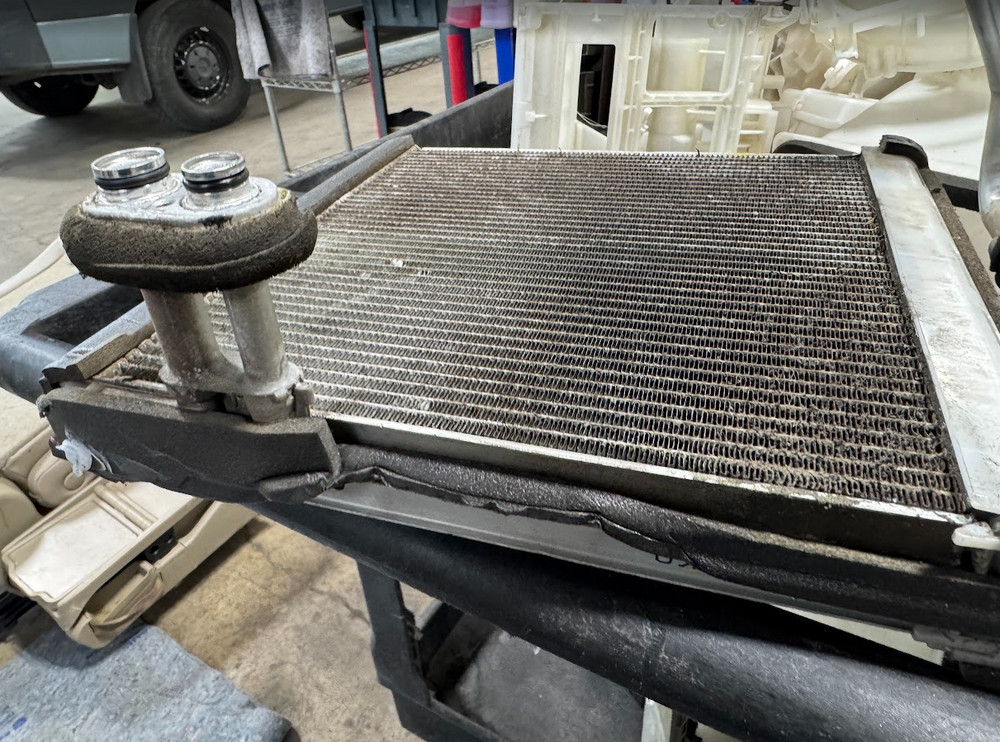
Rust and Debris Can Restrict Coolant Flow
As coolant ages, contaminants begin circulating through the cooling system.
Common buildup includes:
- rust particles
- mineral deposits
- dirt and debris
- old coolant residue
- corrosion
These materials can clog the radiator’s narrow passages, reducing coolant flow and limiting its ability to remove heat.
Professional radiator cleaning helps restore proper coolant circulation and improves cooling efficiency.
Drivers working with an Auto Mechanic in Springfield, Oregon frequently discover that a cooling system flush improves engine performance and temperature control.
Radiator Leaks Should Be Repaired Quickly
Even a small coolant leak can create major problems over time.
Leaks may develop from:
- cracked plastic tanks
- damaged radiator fins
- loose hose connections
- corrosion
- worn seals
Coolant loss reduces the cooling system’s ability to regulate engine temperature, increasing the risk of overheating.
A professional inspection can determine whether the radiator can be repaired or should be replaced.
Drivers traveling through nearby Oregon communities often visit an Auto Mechanic in Junction City, Oregon after noticing coolant spots beneath their vehicles.
Vehicle owners from surrounding communities regularly schedule inspections with an Auto Mechanic In Cottage Grove, Oregon when coolant levels continue dropping without an obvious cause.
Cooling System Cleaning Protects More Than the Radiator
A cooling system flush removes contaminated coolant and replaces it with fresh coolant recommended by the manufacturer.
Benefits include:
- improved heat transfer
- reduced corrosion
- better coolant circulation
- protection for the water pump
- longer thermostat life
- improved engine reliability
Regular coolant replacement helps protect every component connected to the cooling system.
Radiator Repair and Cleaning Costs in Eugene and Springfield
Costs depend on the condition of the radiator and the repairs required.
Typical estimates include:
- Cooling system inspection: $75 – $175
- Radiator flush and cleaning: $150 – $350
- Radiator hose replacement: $150 – $400
- Radiator leak repair: $200 – $600
- Radiator replacement: $600 – $1,800
- Complete cooling system repair: $800 – $2,500+
Several factors influence pricing:
- vehicle make and model
- type of radiator
- extent of corrosion
- replacement parts
- labor requirements
Routine maintenance often costs much less than repairing an overheated engine.
Services Often Performed Alongside Radiator Repairs
Cooling system service frequently includes inspections of other important vehicle systems.
Electrical testing may lead to battery replacement and charging if charging system performance has declined.
Vehicles involved in accidents may require collision repair before damaged cooling components can be replaced.
Many customers schedule auto detailing after repairs to restore their vehicle’s appearance.
Business owners often improve fleet presentation with commercial wraps once repairs are complete.
Drivers frequently choose car window tinting to help reduce interior heat and improve driving comfort.
Preventive Maintenance Helps Extend Radiator Life
Regular maintenance helps reduce cooling system failures.
Helpful maintenance includes:
- checking coolant levels regularly
- replacing coolant at recommended intervals
- inspecting hoses and clamps
- cleaning debris from the radiator
- repairing leaks promptly
- monitoring engine temperature
Routine inspections help identify small problems before they become major repairs.
Frequently Asked Questions
What is included in radiator repair and cleaning?
The service may include leak detection, radiator flushing, debris removal, hose inspection, coolant replacement, and pressure testing.
How often should a radiator be cleaned?
Many manufacturers recommend cooling system service every 30,000 to 60,000 miles, although maintenance schedules vary by vehicle.
Can a dirty radiator cause engine overheating?
Yes. Dirt, rust, and internal deposits reduce coolant flow and heat transfer.
How much does radiator repair cost?
Repairs generally range from $200 to $1,800, while complete cooling system repairs may cost more.
Is a radiator flush the same as radiator cleaning?
A radiator flush removes old coolant and contaminants, while cleaning may also involve removing debris from the radiator itself.
Can I drive with a leaking radiator?
Driving with a coolant leak increases the risk of engine overheating and should be addressed as soon as possible.
What causes radiator corrosion?
Old coolant, moisture, contaminated coolant, and age commonly contribute to corrosion.
When should the radiator be replaced instead of repaired?
Replacement is often recommended when the radiator has severe corrosion, extensive leaks, or major structural damage.
Does fresh coolant improve cooling performance?
Yes. Fresh coolant improves heat transfer and helps protect the entire cooling system.
How can I prevent radiator problems?
Regular coolant changes, routine inspections, and prompt leak repairs help extend radiator life.
Keep Your Cooling System Running Efficiently
Regular radiator repair and cleaning helps prevent overheating, improves cooling performance, and protects your engine from costly damage. Drivers throughout Eugene, Springfield, Junction City, Cottage Grove, Veneta, and nearby Oregon communities benefit from routine cooling system maintenance that keeps their vehicles operating reliably throughout the year.
If you’ve noticed coolant leaks, rising engine temperatures, or signs of radiator trouble, Blue Rose Auto can inspect your cooling system and recommend the right repair solution. Call (541) 641-6877 today to schedule an inspection or contact us online to book your appointment.
0 Comments