
Questions about the pros and cons of automatic transmissions come up often during inspections, test drives, or vehicle upgrades. Many drivers want to know how automatic transmissions behave in daily traffic, how long they last, and what kind of maintenance comes with ownership.
Around Eugene, Springfield, Cottage Grove, Junction City, and Veneta, driving conditions vary. Traffic lights, wet roads, hills, and short trips all influence how a transmission performs over time. Automatic transmissions handle these conditions differently from manual gearboxes, which explains why understanding the advantages and drawbacks matters before repairs or replacement decisions.
At Blue Rose Auto Repair, transmission conversations stay practical. The focus remains on how automatic transmissions work in real driving, what drivers can expect long term, and how to keep vehicles reliable on Oregon roads.
How Automatic Transmissions Work in Everyday Driving
Automatic transmissions shift gears without driver input. Sensors monitor speed, engine load, and throttle position, then adjust gears smoothly. This design reduces driver workload, especially in stop-and-go traffic.
In city driving around Eugene and Springfield, automatic transmissions reduce fatigue. Frequent stops and starts no longer require constant clutch use. That convenience explains why automatic vehicles dominate local roads.
Still, convenience comes with trade-offs. Knowing both sides helps drivers plan maintenance and avoid surprises.
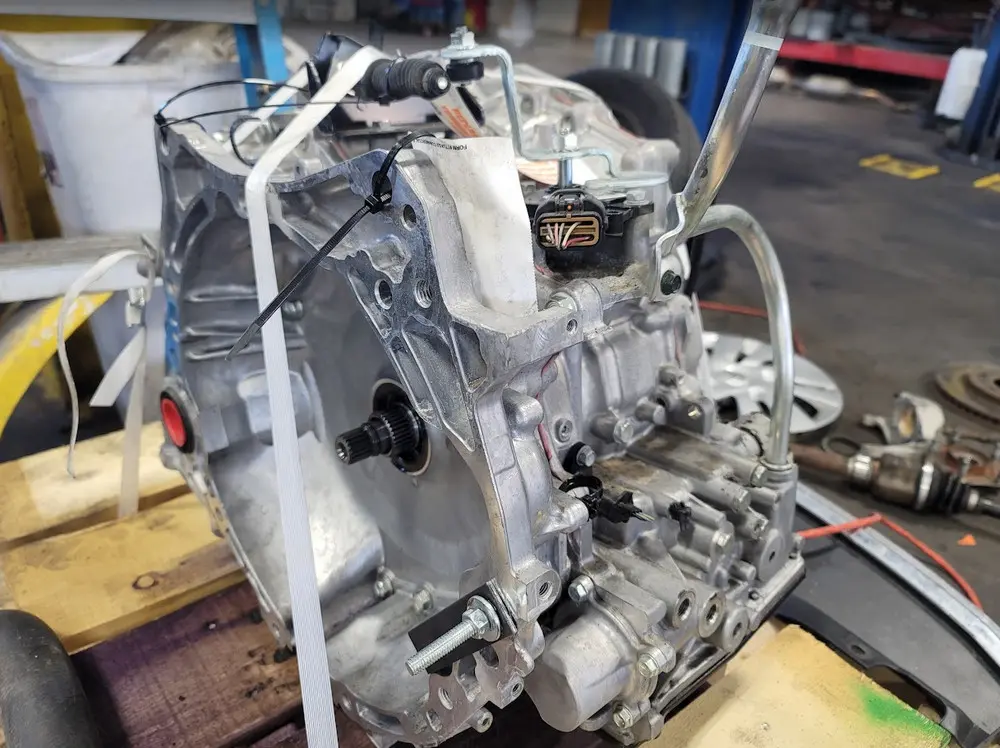
Pros and Cons of Automatic Transmissions in City and Highway Use
The pros and cons of automatic transmissions become clearer once daily driving patterns enter the picture.
Automatic transmissions excel in traffic and short trips. Gear changes stay smooth and consistent. Hill starts feel easier, especially on wet pavement. Drivers focus on steering and braking instead of gear timing.
At the same time, automatic systems rely on more internal components, sensors, and fluid pressure. That complexity affects service needs over time.
Understanding these differences helps drivers choose the right vehicle and plan long-term care.
Pros of Automatic Transmissions for Oregon Drivers
The pros of automatic transmissions stand out in everyday conditions.
• Automatic transmissions reduce driver fatigue. In heavy traffic, constant shifting disappears, making commutes calmer and less tiring. This matters during peak traffic hours in Eugene and Springfield.
• Gear changes stay smooth and predictable. Automatic systems manage shifts consistently, which helps maintain steady acceleration and smoother braking in wet weather.
• Hill driving feels easier. Automatic transmissions prevent rollback and manage gear selection without driver effort, which helps on hilly routes near Cottage Grove and Junction City.
• Automatic vehicles suit most drivers. New drivers, commuters, and fleet operators often prefer automatic systems for ease of use and consistency.
These advantages explain why most modern vehicles rely on automatic transmissions.
Cons of Automatic Transmissions Drivers Should Know
The cons of automatic transmissions matter just as much, especially for long-term ownership.
• Automatic transmissions cost more to repair. Internal components, electronic controls, and fluid systems raise service costs compared to manual gearboxes.
• Fuel efficiency can vary. Some older automatic designs consume more fuel than manual options, especially during aggressive driving.
• Fluid maintenance matters. Automatic transmission fluid must stay clean and at the correct level. Skipping service increases wear and heat buildup.
• Repairs require specialized tools. Automatic transmission service demands diagnostic equipment and trained technicians, which limits where repairs can happen.
Knowing these drawbacks helps drivers make informed service decisions instead of reacting to breakdowns.
Pros and Cons of Automatic Transmissions and Long-Term Maintenance
The pros and cons of automatic transmissions also affect maintenance schedules.
Automatic transmissions depend on clean fluid to manage heat and pressure. Regular inspections prevent slipping, harsh shifts, and overheating. Ignoring service intervals often leads to costly internal damage.
Driving habits influence wear. Stop-and-go traffic, towing, and short trips increase heat buildup. Local inspections help adjust service timing based on actual use rather than mileage alone.
Local Driving Conditions and Transmission Wear
Local roads shape transmission performance.
Drivers working with an Auto Mechanic in Eugene, Oregon often deal with traffic congestion and frequent stops, which increase shifting cycles. Vehicles serviced by an Auto Mechanic in Springfield, Oregon usually see mixed city and highway use, creating varied heat patterns inside the transmission. Routes near an Auto Mechanic In Cottage Grove, Oregon and an Auto Mechanic in Junction City, Oregon involve hills, longer drives, and rural pavement, which place different loads on transmission systems.
Local service helps match maintenance to real conditions instead of generic schedules.
Automatic Transmissions and Related Vehicle Systems
Transmission health connects with other vehicle systems.
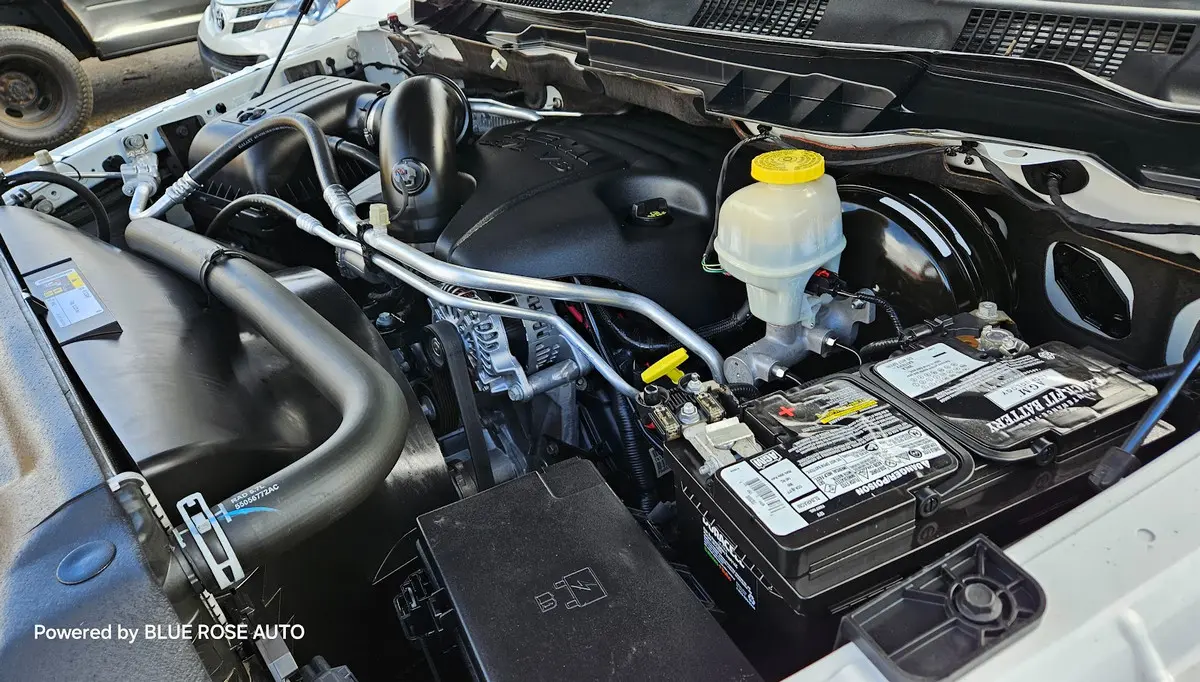
Electrical systems support sensors and control modules, which is why battery checks sometimes appear alongside transmission diagnostics. Reliable voltage supports smooth shifting, making battery replacement and charging part of overall drivetrain reliability.
After an accident, drivetrain alignment and mounts may shift, which explains why collision repair sometimes follows transmission concerns. Clean engine bays help spot leaks and worn seals early, so auto detailing supports early detection. Comfort upgrades such as car window tinting improve driving comfort during long trips, while fleet vehicles benefit from maintenance planning alongside commercial wraps to stay reliable.
Choosing Automatic Transmissions Based on Driving Needs
Automatic transmissions suit most daily drivers. Commuters, families, and delivery vehicles benefit from ease of use and consistent operation.
Drivers who value simplicity and reduced fatigue often prefer automatic systems. Those who prioritize repair simplicity may weigh options carefully.
The right choice depends on driving habits, maintenance expectations, and long-term plans.
Common Myths About Automatic Transmissions
Some drivers believe automatic transmissions fail suddenly. Others assume fluid never needs service.
In reality, automatic transmissions give warning signs. Delayed shifts, slipping, or fluid discoloration point to service needs. Regular inspections catch issues early.
Clear information prevents costly surprises.
Frequently Asked Questions About Pros and Cons of Automatic Transmissions
Are automatic transmissions reliable for daily driving?
Yes. With proper maintenance, automatic transmissions perform reliably for many years.
Do automatic transmissions need regular fluid service?
Yes. Clean fluid protects internal components and controls heat.
Do automatic transmissions cost more to repair?
Yes. Repairs often cost more than manual systems due to complexity.
Are automatic transmissions better in traffic?
Yes. Automatic shifting reduces driver fatigue in stop-and-go conditions.
Can automatic transmissions handle hills?
Yes. Modern systems manage hill driving well without driver input.
Does driving style affect transmission life?
Yes. Aggressive driving and towing increase wear and heat.
Do automatic transmissions last as long as manuals?
They can, provided regular service happens on schedule.
Are warning signs easy to spot?
Often, yes. Rough shifts and slipping signal service needs.
Is preventive maintenance worth it?
Yes. Early service prevents internal damage.
Can inspections catch problems early?
Yes. Diagnostic checks identify issues before failure.
Schedule Transmission Service at Blue Rose Auto Repair
Knowing the pros and cons of automatic transmissions helps drivers make smart service decisions. Regular inspections and timely maintenance keep automatic systems reliable and smooth.
Blue Rose Auto Repair serves Eugene, Springfield, and nearby Oregon communities with clear explanations and practical recommendations.
Call (541) 344-0115 or schedule service through the Contact Page.
Reliable driving starts with understanding how automatic transmissions work and caring for them the right way.
See Also:
- 10 Essential Automobile Components That Can Be Replaced Before Problems Grow
- RV Roof Paint: What Oregon RV Owners Need to Know Before Coating Their Roof
- Car Wrap vs Paint: A Clear Breakdown for Oregon Vehicle Owners
- How to Know If Your Car Starter Is Bad: A Straightforward Guide for Oregon Drivers
- Brake Pad Replacement Cost for Eugene, Springfield, and Nearby Cities



0 Comments