
Questions about signs that your battery has to be replaced often come up after a slow start or a dash light flickers. Batteries rarely fail without warning. Small problems show up first, then grow over time.
Around Eugene, Springfield, Cottage Grove, Junction City, and Veneta, vehicles deal with rain, short drives, traffic, and cool mornings. Those conditions shorten battery life faster than many drivers expect. Knowing the signs that your battery has to be replaced helps avoid being stuck at home, work, or a grocery store lot.
At Blue Rose Auto Repair, battery checks stay clear and practical. The goal stays simple. Catch battery problems early and keep vehicles starting when needed.
Why Signs That Your Battery Has to Be Replaced Appear Over Time
Car batteries wear down a little at a time. Each start pulls power. Each short drive limits recharge time. Over months and years, capacity drops.
Short trips cause the most trouble. Starting the engine uses more power than many drivers realize. When trips stay short, the alternator never fully recharges the battery.
Weather adds stress. Cool mornings increase starting load. Damp conditions promote corrosion at terminals and cables.
Age matters too. Most car batteries last three to five years. Once that window closes, warning signs show up more often.

Common Signs That Your Battery Has to Be Replaced
Battery trouble often starts quietly.
Slow engine cranking stands out first. The starter turns slower than normal, especially in the morning. That delay often grows worse over time.
Dim headlights and interior lights signal weak voltage. Lights may brighten while driving, then dim again at idle.
Electronics act strangely. Touchscreens reboot. Power windows move slower. Dashboard lights flicker during startup.
These signs usually appear weeks or months before a battery fails completely.
Signs That Your Battery Has to Be Replaced in Your Car vs Charging Issues
Drivers often ask about signs that your battery has to be replaced in your car versus a battery that only needs charging.
A battery that needs charging improves after a long drive. A failing battery loses power quickly, even after driving.
Repeated jump-starts point to replacement. If the vehicle starts with a jump but fails again the next day, the battery likely reached the end of its life.
Testing removes the guesswork and prevents repeat problems.
Signs of a Bad Car Battery vs Alternator
Confusion often comes up around the signs of a bad car battery vs alternator.
Battery problems usually show up before driving. Slow cranking, weak lights, and repeated jump-starts point to battery trouble.
Alternator problems often appear during driving. Warning lights turn on mid-trip. Electronics shut off while moving.
Testing both systems together gives clear answers and avoids replacing the wrong part.
How to Know If Car Battery Needs to Be Replaced
Many drivers ask how to know if car battery needs to be replaced without guessing.
Battery testing checks voltage, load capacity, and charge retention. Healthy batteries hold voltage under load. Failing batteries drop fast.
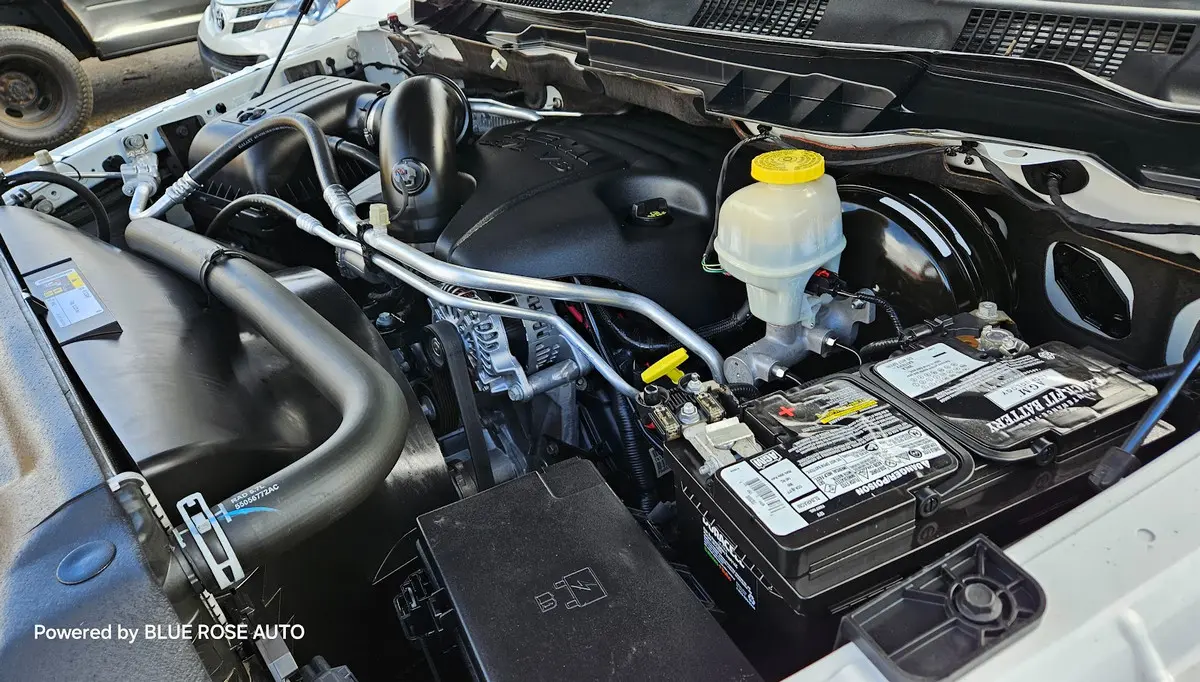
Visual inspection helps too. Corrosion restricts power flow. Swollen battery cases show internal damage.
Combining testing with inspection gives a clear answer.
Should I Replace My Car Battery Before It Dies
A common question is should I replace my car battery before it dies.
Waiting until failure often leads to stress and delays. Dead batteries show up at the worst times, often far from home.
Replacing a weak battery early costs less than emergency service. It also protects the starter and charging system from extra strain.
Preventive replacement keeps vehicles reliable year-round.
How to Know If Car Battery Needs to Be Replaced or Charged
Drivers also want to know how to know if car battery needs to be replaced or charged.
Charging works when the battery still holds capacity. Replacement makes sense when the battery can no longer store energy.
A charging system check confirms alternator output. Battery testing shows storage ability.
This approach avoids unnecessary part replacement.
Battery Problems and Oregon Driving Conditions
Local driving patterns play a big role in battery life across Lane County. Drivers who work with an Auto Mechanic in Eugene, Oregon often deal with short trips, traffic congestion, and frequent engine starts, which limits recharge time and slowly drains battery strength. Vehicles serviced by an Auto Mechanic in Springfield, Oregon usually see a mix of city driving and highway miles, which creates uneven battery wear over time. Rural routes near an Auto Mechanic In Cottage Grove, Oregon and an Auto Mechanic in Junction City, Oregon involve longer drives but still include repeated cold starts, especially in the morning. Each driving pattern affects battery performance differently, which explains why local inspection matters more than mileage alone.
Battery Replacement and Related Vehicle Services
Battery health connects closely with other vehicle systems. Electrical inspections often pair with battery replacement and charging to confirm reliable starting and proper voltage output. After an accident, damaged wiring or shifted components may interfere with battery performance, which makes collision repair part of restoring electrical reliability. Clean engine bays make corrosion and cable wear easier to spot, which is why auto detailing helps catch battery-related issues early. Comfort upgrades like car window tinting reduce interior heat buildup, which helps batteries last longer. Fleet vehicles benefit from regular electrical checks alongside commercial wraps to keep daily operations running without starting issues.
Common Misunderstandings About Battery Replacement
Some drivers believe batteries fail without warning. Others think jump-starts fix everything.
Most batteries show warning signs well before failure. Jump-starts only provide short-term relief.
Testing brings clarity and avoids repeat breakdowns.
Frequently Asked Questions About Signs That Your Battery Has to Be Replaced
What are the first signs that your battery has to be replaced?
Slow engine cranking, dim headlights, and dashboard lights flickering during startup usually appear first. These signs often show up weeks before total failure.
Can a weak battery damage other parts?
Yes. A weak battery forces the starter and alternator to work harder. Over time, that extra strain shortens the life of those components.
How long does a car battery usually last?
Most car batteries last between three and five years. Weather, driving habits, and vehicle use can shorten or extend that range.
Does weather affect battery life?
Yes. Cold mornings increase starting load, and heat speeds up internal wear. Oregon’s wet and cool climate adds stress over time.
Can corrosion cause battery problems?
Yes. Corrosion at the terminals restricts power flow, which causes voltage drops and starting trouble.
Is battery testing quick?
Yes. Battery testing usually takes only a few minutes and gives clear results about battery strength and charge capacity.
Can a battery be charged instead of replaced?
Sometimes. If the battery still holds capacity, charging may help. If it cannot store energy, replacement makes more sense.
Does short driving hurt batteries?
Yes. Short trips limit recharge time. Over time, that slowly drains battery strength.
Should batteries be replaced before winter?
Yes. Replacing a weak battery before cold weather helps avoid no-start situations during early mornings.
Is battery replacement usually same day?
In most cases, yes. Battery testing and replacement often happen during a single visit.
Schedule Battery Service at Blue Rose Auto Repair
Knowing the signs that your battery has to be replaced helps avoid surprise breakdowns and lost time. Waiting too long often leads to roadside trouble.
Blue Rose Auto Repair serves Eugene, Springfield, and surrounding Oregon cities with clear battery testing and honest service.
Call (541) 344-0115 or schedule service through the Contact Page.
Reliable starts begin with timely battery checks and proper care.
See Also:
- Wheel Alignment vs Front End Alignment Explained for Oregon Roads
- What to Do When Power Steering Goes Out Before Damage Gets Worse
- How to Check Transmission Fluid Before Shifting Problems Start
- How to Make an Engine More Efficient Without Replacing Your Vehicle
- How Often Should You Wash Your Car? A Technician’s Guide for Oregon Drivers


0 Comments