Why Transmission Fluid Changes Matter for Drivers in Eugene, Springfield, and Nearby Oregon Communities
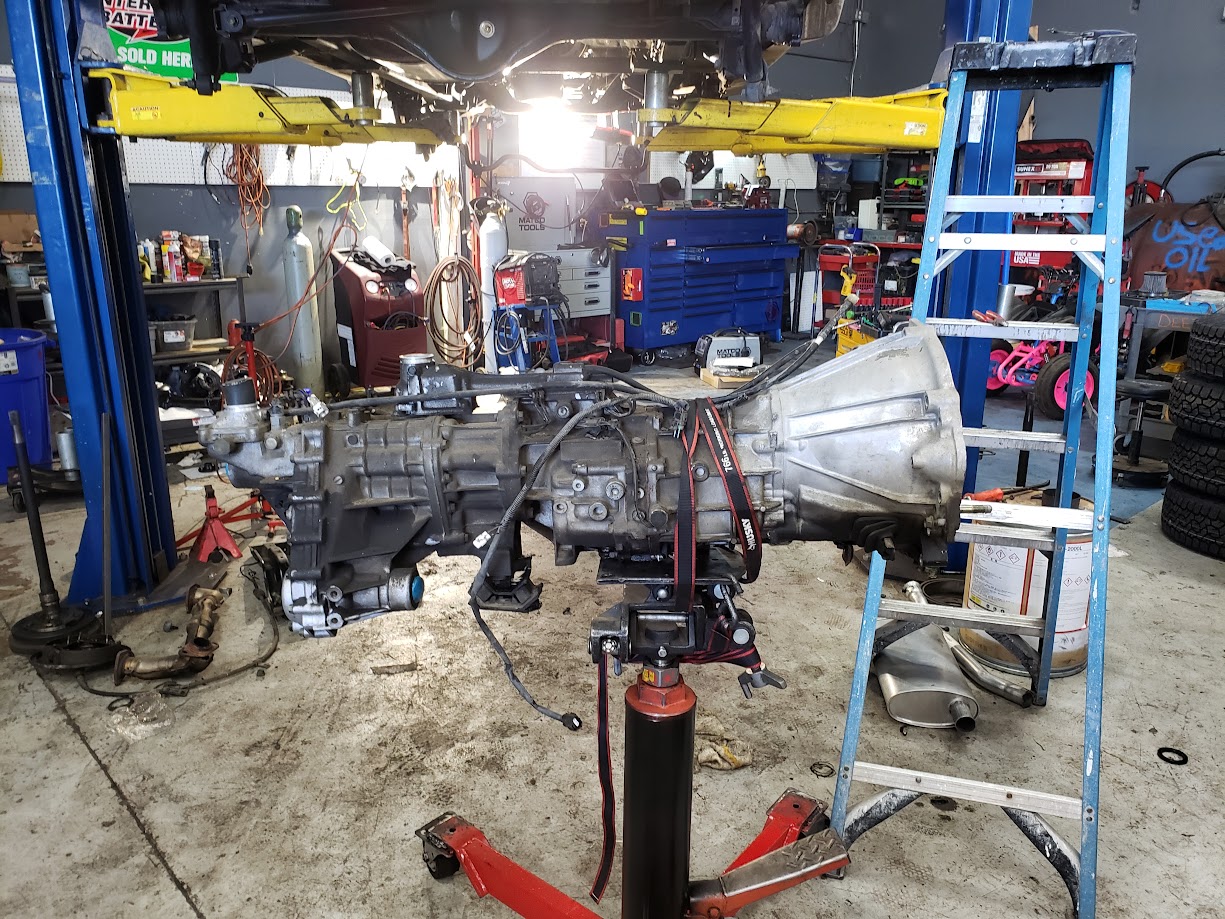
The transmission is one of the hardest-working systems in any vehicle, yet many drivers rarely think about it until shifting problems begin. Inside the transmission, dozens of moving parts depend on clean fluid to lubricate, cool, and operate properly. That is why a regular transmission fluid change remains one of the simplest ways to help avoid expensive repairs and extend transmission life.
Vehicles driven throughout Eugene, Springfield, Junction City, Cottage Grove, Veneta, and nearby Oregon communities experience daily stop-and-go traffic, changing weather, and highway driving that gradually wear down transmission fluid. As the fluid ages, it loses its ability to protect internal components effectively.
Replacing old transmission fluid at the recommended intervals helps keep gear changes smooth and reduces unnecessary wear.
What Transmission Fluid Does Inside Your Vehicle
Transmission fluid performs several important jobs every time the vehicle is driven.
Its responsibilities include:
- Lubricating moving parts. Internal gears, bearings, and clutch packs rely on fluid to reduce friction.
- Cooling the transmission. Heat builds up quickly during normal driving, and the fluid carries much of that heat away.
- Creating hydraulic pressure. Automatic transmissions depend on fluid pressure to shift between gears smoothly.
- Reducing internal wear. Clean fluid protects metal surfaces from premature damage.
Without healthy transmission fluid, the entire transmission works harder than it should.
Drivers visiting an Auto Mechanic in Eugene, Oregon often discover that neglected fluid contributed to shifting concerns.
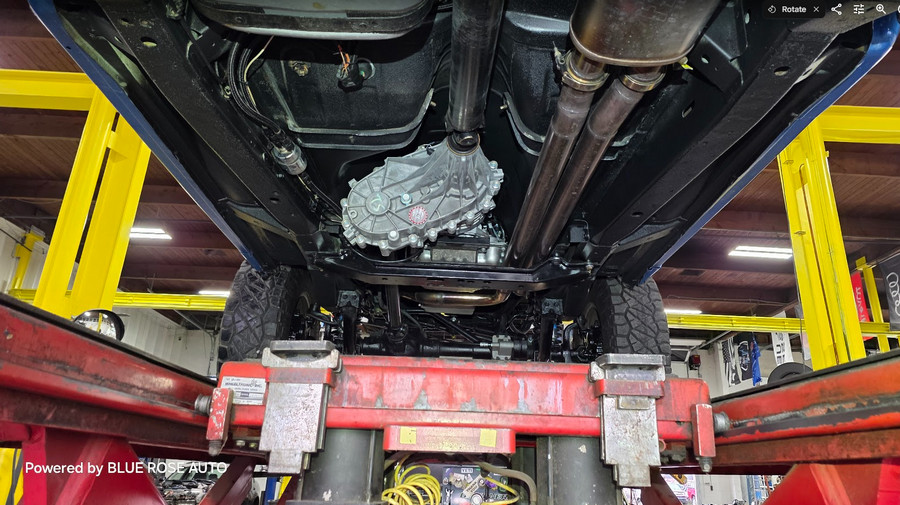
Old Fluid Can Lead to Shifting Problems
Transmission fluid gradually breaks down from heat and constant use.
As the fluid deteriorates, drivers may notice:
- Delayed gear engagement
- Rough shifting
- Hesitation during acceleration
- Slipping between gears
- Increased transmission temperature
These symptoms often become more noticeable over time.
Replacing worn fluid early helps restore smoother transmission performance in many situations.
Contaminated Fluid Can Damage Internal Components
Transmission fluid collects tiny particles from normal internal wear.
Over time, contamination may:
- Reduce lubrication
- Clog narrow fluid passages
- Increase operating temperatures
- Accelerate component wear
Fresh fluid helps remove contaminants that older fluid can no longer suspend effectively.
Drivers working with an Auto Mechanic in Springfield, Oregon frequently schedule transmission service after noticing rough or delayed shifting.
How Often Should a Transmission Fluid Change Be Performed?
Service intervals vary depending on the vehicle and driving conditions.
Many manufacturers recommend a transmission fluid change every:
- 30,000 to 60,000 miles for severe driving conditions
- 60,000 to 100,000 miles for normal driving
Frequent stop-and-go traffic, towing, steep hills, and hot operating temperatures often require more frequent service.
Checking the owner’s manual provides the best maintenance schedule for a specific vehicle.
Warning Signs That Transmission Fluid Needs Attention
The transmission often provides early clues before serious damage develops.
Common warning signs include:
- Dark or burnt-smelling fluid
- Slipping between gears
- Delayed acceleration
- Unusual whining noises
- Transmission warning lights
Prompt service helps prevent additional wear inside the transmission.
Drivers traveling through nearby Oregon communities frequently visit an Auto Mechanic in Junction City, Oregon after noticing changes in shifting performance.
Vehicle owners from surrounding communities regularly schedule maintenance with an Auto Mechanic In Cottage Grove, Oregon before transmission problems become more serious.
Transmission Fluid Change Costs in Eugene and Springfield
Service pricing depends on vehicle type and the amount of fluid required.
Typical estimates include:
- Standard transmission fluid service: $150 – $350
- Transmission fluid flush: $250 – $500
- Transmission filter replacement: $250 – $600
Several factors influence pricing:
- Transmission design
- Fluid type
- Filter replacement requirements
- Labor time
Routine maintenance usually costs far less than repairing or replacing a damaged transmission.
Services Commonly Performed Alongside Transmission Maintenance
Many vehicle owners combine transmission service with other maintenance appointments.
Electrical inspections may lead to battery replacement and charging if charging performance has declined.
Collision-related drivetrain inspections sometimes require collision repair before mechanical components can be fully evaluated.
Many customers schedule auto detailing after maintenance to refresh the appearance of the vehicle.
Business owners frequently update company vehicles with commercial wraps after completing major service work.
Drivers often install car window tinting to improve comfort during daily commuting.
Why Routine Transmission Maintenance Saves Money
Preventive maintenance reduces the risk of major transmission repairs.
Regular service helps:
- Improve shift quality
- Lower operating temperatures
- Reduce internal wear
- Extend transmission lifespan
- Avoid expensive rebuilds
Replacing transmission fluid on schedule is one of the most affordable ways to protect one of the vehicle’s most expensive components.
Frequently Asked Questions
How often should a transmission fluid change be performed?
Many vehicles benefit from service every 30,000 to 60,000 miles, depending on driving conditions.
What happens if transmission fluid is never changed?
Old fluid loses its protective properties and can lead to increased internal wear.
Can old transmission fluid cause slipping?
Yes. Worn fluid may contribute to slipping and delayed shifting.
How much does a transmission fluid change cost?
Most services range from $150 to $350, depending on the vehicle.
What color should healthy transmission fluid be?
Fresh transmission fluid is usually bright red or pink.
Does burnt-smelling fluid indicate a problem?
Yes. Burnt fluid often points to overheating or excessive wear.
Is a transmission flush different from a fluid change?
Yes. A flush replaces more of the old fluid throughout the system.
Can changing transmission fluid improve shifting?
In many cases, fresh fluid helps restore smoother gear changes.
Should transmission fluid be checked regularly?
Yes. Fluid condition and level should be inspected during routine maintenance.
Does towing affect transmission fluid life?
Yes. Heavy loads create additional heat and often require more frequent service.
Protect Your Transmission With Regular Maintenance
Understanding why transmission fluid changes matter helps drivers protect one of the most valuable systems in their vehicle. Routine maintenance improves shifting performance, reduces internal wear, and helps prevent expensive transmission repairs for drivers throughout Eugene, Springfield, Junction City, Cottage Grove, Veneta, and nearby Oregon communities.
If your vehicle is due for a transmission fluid change or you have noticed shifting problems, Blue Rose Auto can inspect the transmission and recommend the proper service. Call (541) 641-8877 today to schedule maintenance or Contact us online to book your appointment.
0 Comments