
Questions about how to choose aftermarket wheels usually come up during tire replacement, suspension upgrades, or visual changes. Wheels affect more than appearance. They change handling, ride comfort, braking feel, and tire life.
Around Eugene, Springfield, Cottage Grove, Junction City, and Veneta, roads vary. Wet pavement, uneven surfaces, hills, and seasonal debris all influence how wheels perform. Choosing the wrong setup causes rubbing, uneven wear, or steering issues. Choosing the right setup improves control and confidence.
At Blue Rose Auto Repair, wheel conversations stay practical. The goal stays clear. Match wheel choice to the vehicle, the roads, and how the vehicle gets used every day.
Why Learning How to Choose Aftermarket Wheels Matters
Aftermarket wheels come in many sizes, offsets, materials, and designs. Each change affects how the vehicle behaves.
Larger wheels may look sharp but reduce ride comfort. Wider wheels improve grip but require proper fitment. Incorrect offset stresses suspension and bearings.
Understanding these factors helps avoid expensive corrections later.
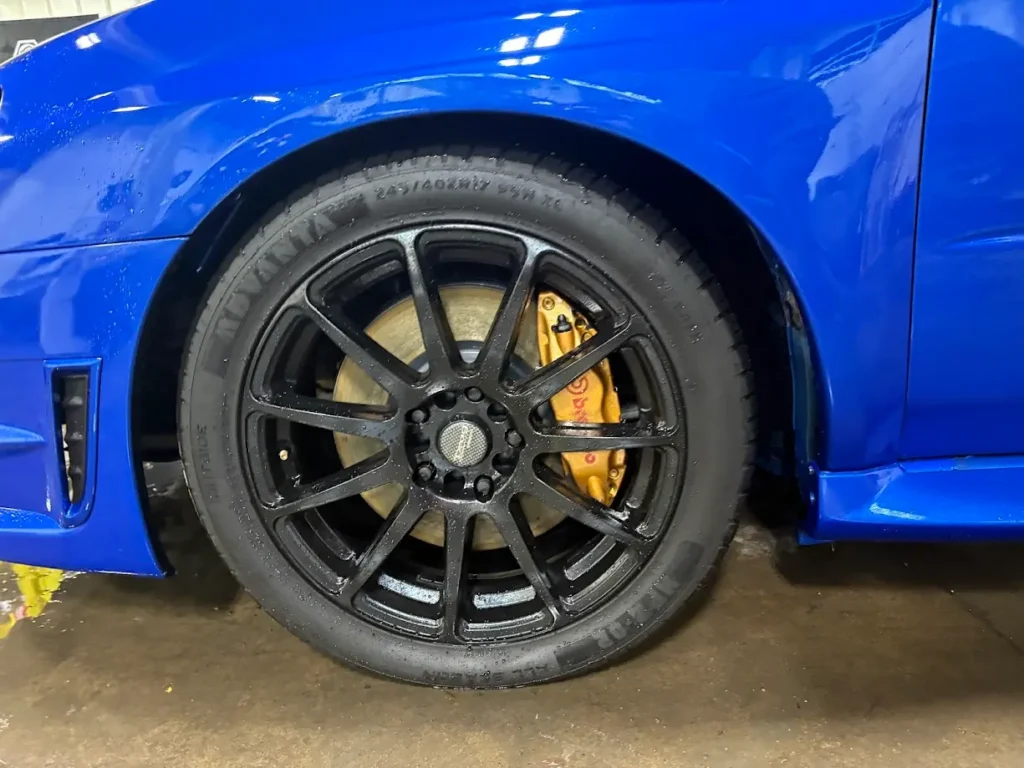
How to Choose Aftermarket Wheels Based on Vehicle Fitment
The first step in learning how to choose aftermarket wheels is fitment.
Wheel diameter, width, bolt pattern, and offset must match the vehicle. Even small mismatches cause vibration or rubbing.
Factory specifications provide a safe starting point. From there, adjustments can be made within safe limits. Local inspection confirms clearance with brakes, suspension, and steering components.
Skipping fitment checks often leads to noise, tire damage, or alignment trouble.
How to Choose Aftermarket Wheels for Local Driving Conditions
Road conditions in Lane County affect wheel choice more than many drivers expect.
City driving around Eugene and Springfield includes potholes, curb contact, and tight parking areas. Rural routes near Cottage Grove and Junction City include uneven pavement and gravel shoulders. Wet conditions reduce traction when wheel and tire combinations do not match properly.
Choosing wheels that balance strength, size, and weight supports stable handling across all these conditions.
Wheel Material and Weight Considerations
Aftermarket wheels come in different materials, most commonly alloy or steel.
Alloy wheels reduce unsprung weight, which improves steering response and braking feel. Lighter wheels help suspension react faster to road changes.
Steel wheels weigh more but resist damage from potholes and rough surfaces. Some drivers prefer steel for winter or work vehicles.
Material choice affects ride quality, durability, and maintenance.
How to Choose Aftermarket Wheels Without Hurting Ride Quality
Wheel size affects ride comfort directly.
Larger wheels require lower-profile tires. Lower-profile tires reduce sidewall flex, which increases road feel but also increases harshness.
Smaller wheels with taller tires absorb bumps better and protect rims from impact damage.
Balancing appearance with comfort matters, especially on Oregon roads that see frequent rain and surface changes.
Aftermarket Wheels and Tire Pairing
Wheel choice should always consider tire pairing.
Incorrect tire width stretches or pinches sidewalls, which affects handling and wear. Proper pairing keeps tire contact even and predictable.
Some drivers upgrade wheels during tire replacement. Others choose wheels first and select tires to match. Both approaches work when fitment stays correct.
This is where aftermarket wheels and tires planning helps avoid clearance and performance problems.
Aftermarket Rims and Tires for Daily Driving
Many drivers ask about aftermarket rims and tires for daily commuting.
Daily drivers benefit from moderate wheel sizes that preserve ride comfort and tire availability. Extreme sizes may look good but increase tire costs and wear.
For Eugene and Springfield commuters, balance matters more than appearance alone.
Considering an Aftermarket Spare Tire
Wheel upgrades often change spare tire compatibility. Some aftermarket wheel setups do not match factory spares.
An aftermarket spare tire may be needed when wheel diameter or width changes significantly. Matching rolling diameter helps avoid drivetrain stress during emergency use.
Planning for the spare avoids surprises during roadside repairs.
How Wheel Choice Affects Alignment and Suspension
Wheel offset and width affect suspension geometry.
Incorrect offset increases load on wheel bearings and suspension joints. Over time, that leads to premature wear.
Alignment checks after wheel installation protect tires and steering components. Correct alignment keeps steering centered and tire wear even.
Installation, Inspection, and Supporting Services
Wheel installation works best with a full inspection.
Electrical systems sometimes come up during service visits, especially when warning lights appear, which is why battery checks often pair with wheel and tire work. Reliable electrical systems support steering and stability controls, making battery replacement and charging part of overall safety.
After impacts or curb strikes, suspension angles may shift, which explains why collision repair sometimes follows wheel damage. Clean wheels and brake areas make cracks and leaks easier to spot, so auto detailing supports early detection. Comfort upgrades like car window tinting improve driving comfort during longer trips, while fleet vehicles benefit from planning upgrades alongside commercial wraps to maintain a professional appearance.
How to Choose Aftermarket Wheels with Local Support
Local service matters.
Drivers working with an Auto Mechanic in Eugene, Oregon often deal with traffic and curb impacts. Vehicles serviced by an Auto Mechanic in Springfield, Oregon see mixed city and highway use. Routes near an Auto Mechanic In Cottage Grove, Oregon and an Auto Mechanic in Junction City, Oregon include rural pavement and gravel shoulders.
Local inspections help match wheel choice to real driving conditions.
Common Mistakes When Choosing Aftermarket Wheels
Some drivers focus only on appearance. Others assume all wheels fit all vehicles.
Ignoring offset, load rating, or brake clearance leads to rubbing and wear. Skipping alignment after installation shortens tire life.
Avoiding these mistakes saves time and money.
Frequently Asked Questions About How to Choose Aftermarket Wheels
Do aftermarket wheels affect ride comfort?
Yes. Larger wheels with low-profile tires feel firmer on rough roads.
Is alignment needed after wheel installation?
Yes. Alignment protects tires and steering components.
Can aftermarket wheels damage suspension parts?
Incorrect offset or width increases wear on suspension and bearings.
Do aftermarket wheels affect braking?
Yes. Wheel size and weight change braking feel and response.
Are aftermarket wheels safe for daily driving?
Yes, when properly fitted and installed.
Do aftermarket wheels need special tires?
Sometimes. Tire size must match wheel width and diameter.
Should spare tires be replaced after wheel upgrades?
Often, yes. Matching rolling diameter matters.
Can wheels improve handling?
Yes. Proper width and weight improve grip and response.
Do aftermarket wheels cost more to maintain?
They can, depending on tire size and availability.
Is professional installation recommended?
Yes. Professional checks prevent clearance and alignment issues.
Schedule Wheel Service at Blue Rose Auto Repair
Knowing how to choose aftermarket wheels helps drivers avoid fitment problems and protect suspension, tires, and steering components. Planning wheel upgrades with local support keeps vehicles comfortable and reliable.
Blue Rose Auto Repair serves Eugene, Springfield, and surrounding Oregon communities with clear inspections and practical recommendations.
Call (541) 641-8877 or schedule service through the Contact Page.
The right wheels make every drive smoother, safer, and more confident.
See Also:
- Pros and Cons of Automatic Transmissions Explained by a Local Auto Shop
- 10 Essential Automobile Components That Can Be Replaced Before Problems Grow
- RV Roof Paint: What Oregon RV Owners Need to Know Before Coating Their Roof
- Car Wrap vs Paint: A Clear Breakdown for Oregon Vehicle Owners
- How to Know If Your Car Starter Is Bad: A Straightforward Guide for Oregon Drivers

0 Comments