Why Is My Engine Overheating for Drivers in Eugene, Springfield, and Nearby Oregon Communities
An overheating engine never happens at a good time, and one of the most common questions heard in the shop is why is my engine overheating when everything seemed fine just days before. Temperature gauges don’t rise without a reason. When heat builds up inside the engine, something in the cooling system, lubrication system, or airflow process is not working the way it should.
Across Eugene, Springfield, Cottage Grove, Junction City, and nearby areas, drivers often notice overheating during traffic, long drives, or warmer days. In some cases, the issue shows up when the vehicle is sitting still, which leads many to describe an engine overheated idle engine condition. That situation usually points to airflow or cooling system problems.
Catching overheating early helps prevent engine damage and keeps repair costs manageable.
Why Is My Engine Overheating During Daily Driving
Engines produce heat every time they run. Cooling systems control that heat using coolant, airflow, and proper circulation. When one part fails, temperature begins to rise.
Several common causes include:
- Low coolant levels
Coolant carries heat away from the engine. When levels drop, the system cannot remove heat efficiently. Small leaks often go unnoticed until overheating begins. - Faulty thermostat
The thermostat controls coolant flow. If it sticks closed, coolant cannot circulate, causing temperature to rise quickly. - Radiator problems
A clogged or damaged radiator reduces cooling efficiency. Debris and buildup restrict airflow and heat transfer. - Cooling fan failure
Fans pull air through the radiator, especially at low speeds. When the fan stops working, overheating often occurs in traffic or while idling.
Drivers visiting an Auto Mechanic in Eugene, Oregon often report these issues before scheduling repairs.
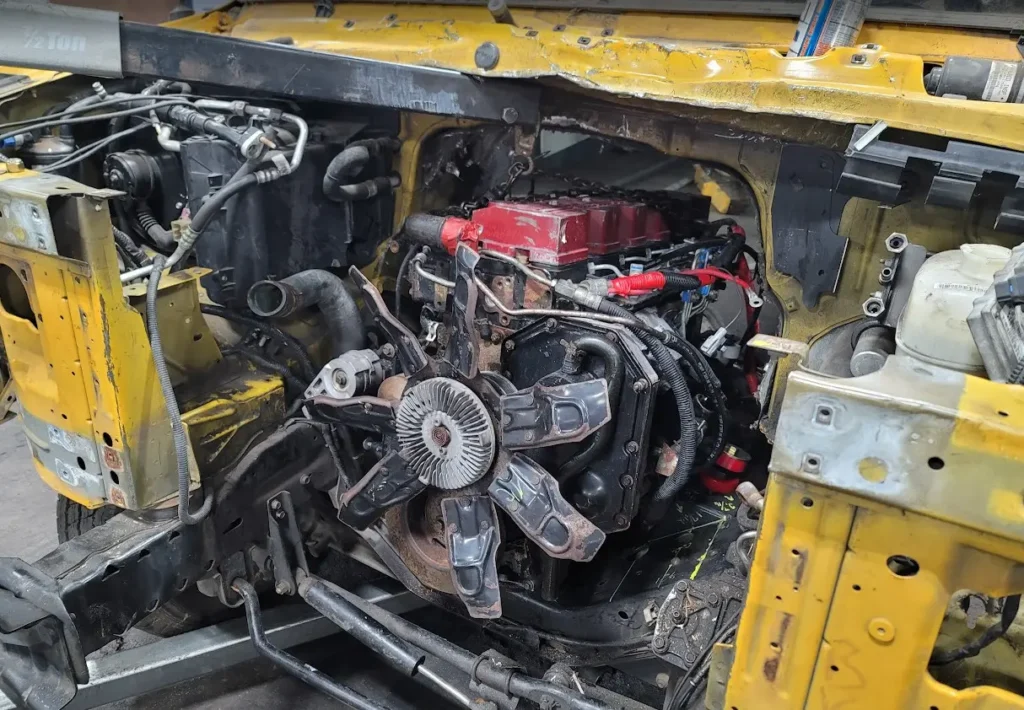
Why Is My Engine Overheating Even With Enough Coolant
Coolant levels alone do not guarantee proper cooling. Circulation and airflow matter just as much.
A failing water pump may prevent coolant from moving through the system. Blockages in hoses or passages can also restrict flow. In addition, air pockets trapped in the system reduce cooling efficiency.
Drivers frequently consult an Auto Mechanic in Springfield, Oregon when overheating continues despite normal coolant levels.
Understanding what is the reason for engine overheating requires a full inspection of the entire cooling system.
Can Low Engine Oil Cause Overheating
Engine oil plays a major role in temperature control. Many drivers ask can low engine oil cause overheating, and the answer is yes.
Oil reduces friction between moving parts. When oil levels drop, friction increases, generating extra heat inside the engine. Over time, this heat adds to the load already managed by the cooling system.
Low oil levels also reduce lubrication, which can lead to internal damage if not addressed quickly.
Regular oil checks help prevent overheating caused by lubrication issues.
Why Is My Engine Overheating in Different Engine Types
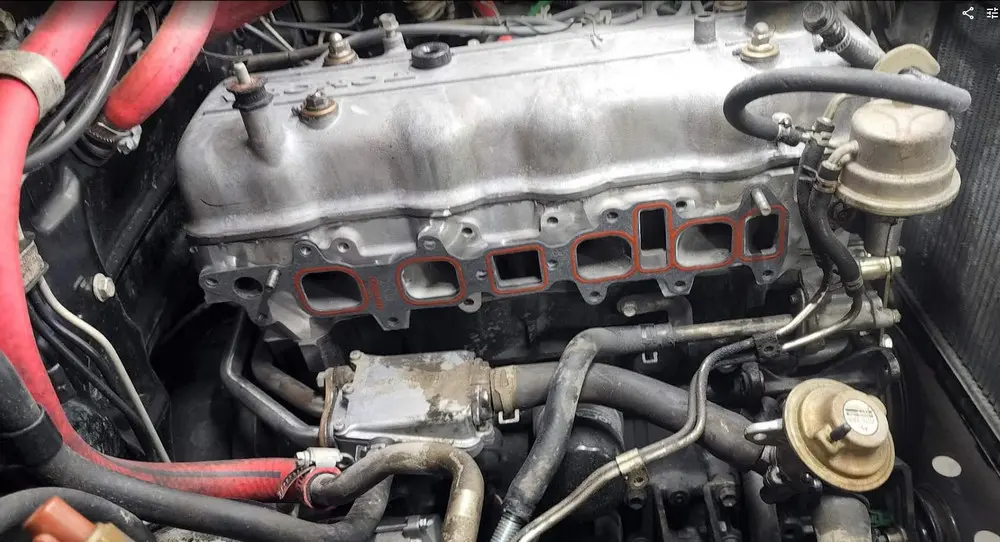
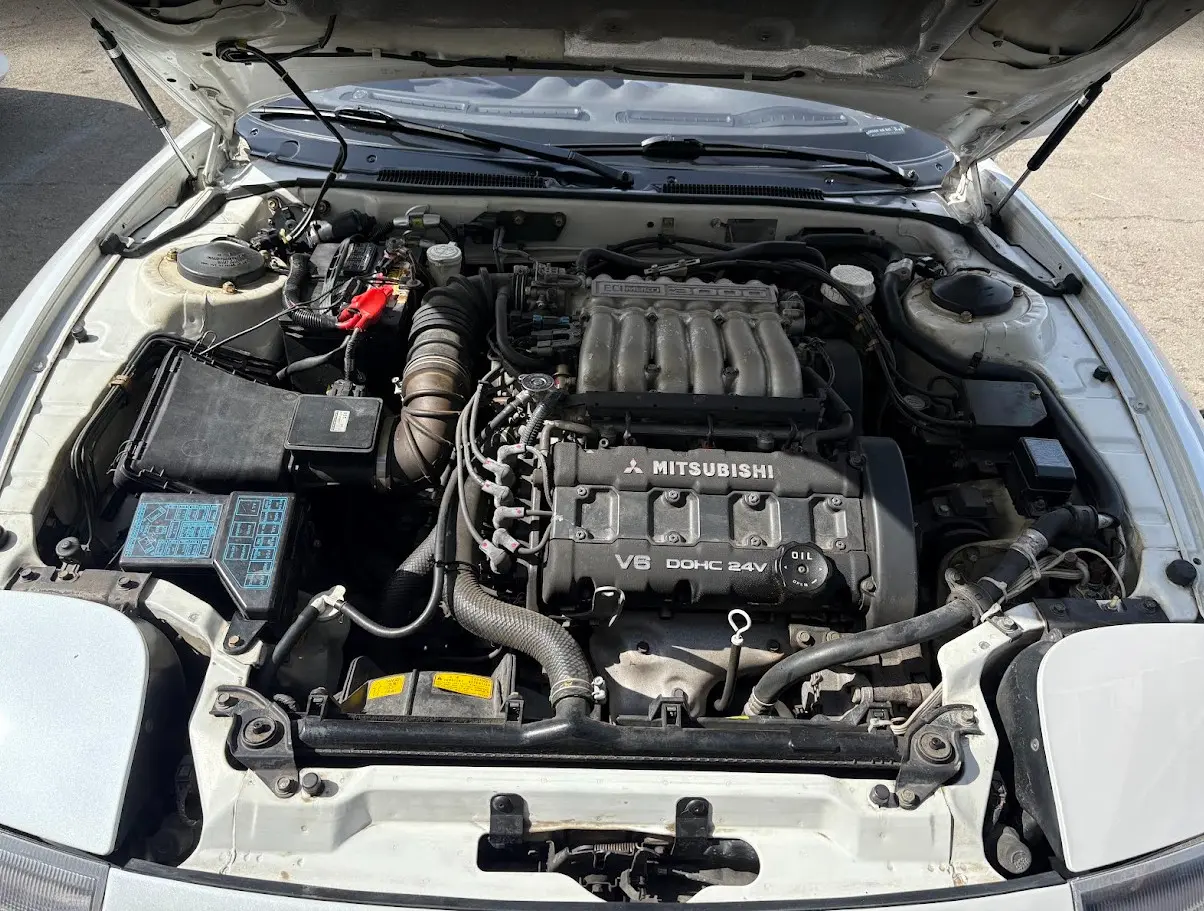
Different engine designs handle heat differently. For example, an overhead camshaft engine relies on precise lubrication and airflow to maintain temperature. If oil flow becomes restricted, heat buildup may occur faster.
An overhead valve engine uses a different layout, yet it still depends on proper coolant circulation and airflow. Both designs require routine maintenance to prevent overheating.
Diesel engines also face unique challenges. Heavy loads and higher compression create more heat, which makes cooling system maintenance especially important.
Engine Overheating Repair Costs in Eugene and Springfield
Repair costs depend on the cause of overheating and how long the issue has been present.
Typical estimates include:
- Coolant leak repair: $150 – $600
Fixing hoses, clamps, or minor leaks helps restore proper cooling. - Thermostat replacement: $200 – $500
A stuck thermostat often causes sudden overheating. - Radiator replacement: $500 – $1,200
Damaged or clogged radiators reduce cooling performance. - Water pump replacement: $400 – $1,000
A failing pump prevents coolant circulation. - Major engine damage repair: $2,000 – $5,000+
Severe overheating may lead to head gasket failure or internal damage.
Engine overheating repair costs increase when problems are ignored. Early diagnosis helps keep repairs manageable.
Services Often Recommended Alongside Overheating Repairs
During inspection, additional services may help prevent future issues.
Electrical system checks sometimes lead to battery replacement and charging service, especially if overheating affects electrical components.
Accident-related damage may require collision repair if airflow or radiator alignment has been affected.
Many drivers schedule auto detailing after repairs to clean residue from coolant leaks or engine bay buildup.
Business vehicles often benefit from updated branding through commercial wraps while maintaining appearance.
Drivers looking for comfort improvements frequently add car window tinting to reduce cabin heat during warmer months.
Local Driving Conditions and Overheating Risks
Driving conditions across Lane County affect how often overheating issues appear. Stop-and-go traffic increases engine heat, especially during warmer days. Long highway drives place continuous load on the cooling system.
Drivers traveling between towns often visit an Auto Mechanic in Junction City, Oregon after noticing temperature increases during extended trips.
Vehicle owners from surrounding areas frequently stop by an Auto Mechanic In Cottage Grove, Oregon when overheating occurs during uphill driving or towing.
Local experience helps identify patterns that lead to overheating problems.
What to Do Immediately When an Engine Overheats
Quick action helps prevent serious damage.
- Pull over safely and turn off the engine
Continuing to drive with high temperature can cause severe engine damage. - Allow the engine to cool before opening the hood
Hot coolant can cause injury if released too soon. - Check coolant levels once the engine cools
Low coolant often indicates a leak or system issue. - Avoid restarting until the problem is inspected
Repeated overheating can worsen the condition.
These steps help reduce damage before professional inspection.
Frequently Asked Questions About Engine Overheating
What causes engines to overheat most often?
Low coolant, faulty thermostats, and radiator issues are common causes.
Can overheating damage the engine permanently?
Yes. Severe overheating may lead to internal engine damage.
How long does overheating repair take?
Minor repairs may take a few hours, while major repairs require more time.
Is it safe to drive with an overheating engine?
No. Driving can cause further damage.
Does weather affect overheating?
Yes. Hot weather increases engine temperature under heavy use.
Can a bad radiator fan cause overheating?
Yes. Lack of airflow reduces cooling efficiency.
How often should coolant be checked?
Coolant levels should be checked regularly, especially before long trips.
Can overheating happen at idle only?
Yes. Fan or airflow issues often cause overheating at idle.
What are early warning signs?
Rising temperature gauge, warning lights, and steam from the engine.
What is the average repair cost?
Most repairs range from $300 to $1,200 depending on the issue.
Keep Your Engine Cool and Running Smooth
Understanding why is my engine overheating helps prevent serious damage and keeps your vehicle reliable. Early signs often point to manageable repairs, yet ignoring them can lead to costly engine problems. Drivers across Eugene, Springfield, Junction City, Cottage Grove, and nearby Oregon communities benefit from quick inspection and proper maintenance.
If your engine temperature is rising or showing warning signs, Blue Rose Auto can help diagnose the issue and recommend the right repair. Call (541) 641-6877 today to schedule service or Contact us online to book an appointment at a convenient time.
See Also:
- Signs Your Engine Needs a Tune Up Before Bigger Problems Start
- How Often Should You Change Engine Oil
- Nissan Body Shop Guide for Reliable Collision Repairs in Eugene and Springfield
- Car Maintenance Tips That Help Protect Your Vehicle Year-Round in Springfield and Eugene
- Boat Trailer Repair Guide for Safe Towing in Eugene and Nearby Oregon Communities


0 Comments