
Your car sits in the driveway for days or weeks. You wonder if it will start when you need it. How often should you actually start your vehicle to keep it healthy?
This question becomes critical during vacations, work-from-home periods, or when you have multiple vehicles. Understanding proper car maintenance schedules prevents expensive repairs and ensures reliable transportation when you need it most.
The Quick Answer: Weekly is Best
Most automotive experts recommend starting your car at least once per week if you’re not driving it regularly. However, simply starting the engine isn’t enough. You need to let it run for 15–30 minutes and ideally drive it for at least 10–15 minutes.
This frequency maintains battery charge, keeps fluids circulating, and prevents mechanical issues that develop when cars sit unused for extended periods.

Understanding What Happens When Cars Sit Unused
Modern vehicles are complex machines with numerous systems that require regular operation to function properly. When a car sits idle, several problems begin developing immediately.
Battery Degradation Process
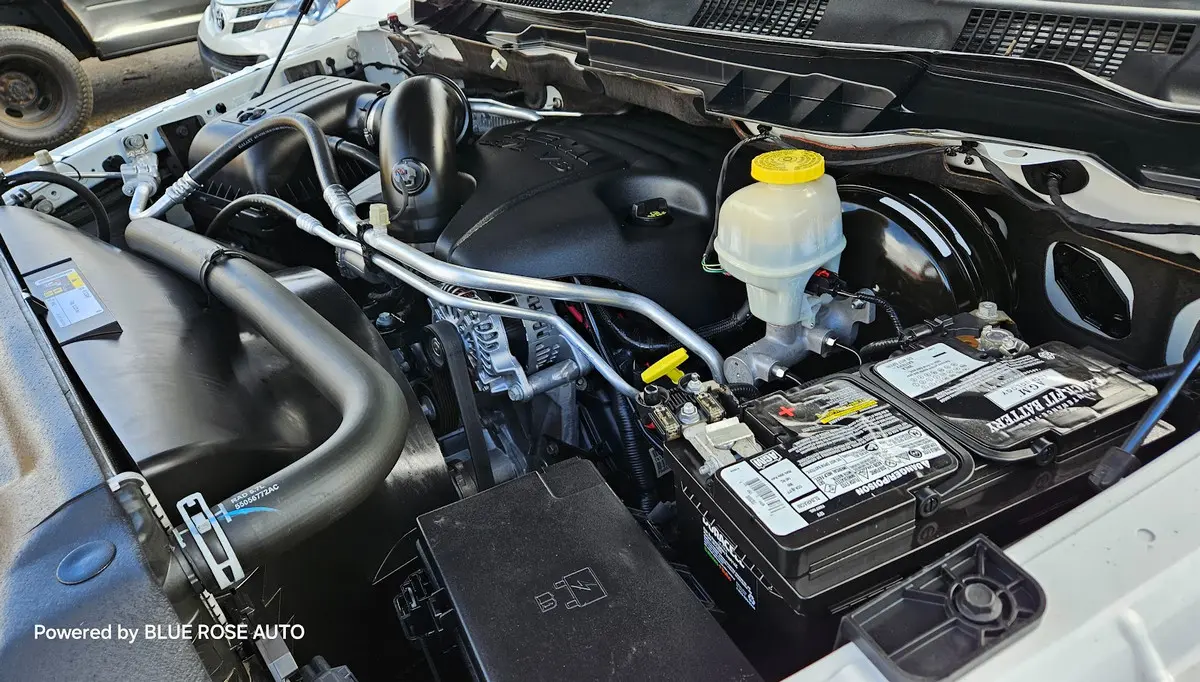
Your car’s battery slowly discharges even when the vehicle is completely turned off. Modern cars have dozens of electronic systems that draw small amounts of power continuously.
The engine computer maintains memory and settings. Security systems stay active. Clocks continue running. Remote keyless entry systems remain on standby.
Combined, these systems can drain a healthy battery in 2–4 weeks if the car never runs.
Cold weather accelerates battery discharge. Heat damages battery chemistry. A battery that might last a month in mild weather can fail in two weeks during temperature extremes.
Fuel System Complications
Modern gasoline contains ethanol, which absorbs moisture from the air. When fuel sits for weeks, moisture buildup causes problems.
Water contamination leads to fuel separation. Ethanol-water sinks while gasoline floats, clogging injectors and damaging fuel system components.
Fuel also degrades chemically. Old fuel burns poorly, reduces power, and damages engine components.
Fuel pumps rely on gasoline for cooling. Low or degraded fuel can cause overheating and premature failure.
Tire and Suspension Issues
Tires develop flat spots when vehicles sit in one position too long. This causes vibration and uneven wear.
Tire pressure decreases naturally over time. Underinflated tires reduce handling, fuel economy, and lifespan.
Suspension components, brake systems, and wheel bearings rely on lubricant circulation. Sitting allows lubricants to settle and causes premature wear.
Engine Oil and Fluid Circulation
Engine oil cools, cleans, lubricates, and protects internal components.
When engines sit unused, oil drains away from critical parts. Most engine wear occurs during startup when lubrication is temporarily reduced.
Brake fluid absorbs moisture. Coolant corrodes without circulation. Power steering fluid thickens and loses effectiveness.
Optimal Starting and Running Schedule
Start your car every seven days at minimum. This keeps the battery charged and systems active.
Let the engine idle briefly, then drive for at least 15–20 minutes. This fully recharges the battery and circulates fluids.
Operate air conditioning, heater, lights, radio, and wipers during the drive to keep electrical systems functional.
Monthly Deep Exercise
Once per month, drive for 30–45 minutes. Highway driving is ideal to reach full operating temperatures.
Use this time to check tire pressure, fluid levels, and inspect for leaks or rodent damage.
Seasonal Considerations
Cold weather requires more frequent starting. Hot weather accelerates battery and fuel degradation.
Adjust schedules during extreme temperatures and inspect more often.
Conclusion
Regular maintenance prevents costly repairs and keeps unused vehicles reliable. Weekly starting and short drives address most storage-related issues.
The time and fuel invested is far less than the cost of battery replacement or fuel system repairs.
Create a maintenance routine that fits your situation and follow it consistently.
For expert guidance, visit Blue Rose Auto in Eugene, OR. We help keep vehicles ready when you need them.
See Also:
- How Often Should You Replace Your Car Battery: Complete Educational Guide
- Signs That Your Battery Has to Be Replaced Before You Get Stranded
- Wheel Alignment vs Front End Alignment Explained for Oregon Roads
- What to Do When Power Steering Goes Out Before Damage Gets Worse
- How to Check Transmission Fluid Before Shifting Problems Start



0 Comments