At Blue Rose Auto Repair, how often should you wash your car comes up more than most people expect. Drivers usually ask after noticing faded paint, stubborn water spots, or early rust around trim. Washing may seem cosmetic, yet it plays a real role in long-term vehicle care, especially across Eugene, Springfield, and surrounding Oregon towns.
Rain, moisture, road grime, pollen, and winter residue build up quickly here. That buildup traps moisture against metal and paint. Over time, it causes corrosion, dull finishes, and premature wear. This guide explains car washing frequency the same way it’s explained during service visits, using clear language and real-world driving conditions.
How Often Should You Wash Your Car in Oregon
How often should you wash your car depends on local conditions and daily driving. Oregon weather creates steady exposure to moisture even during mild seasons. Light rain leaves behind residue that sticks to paint and trim.
For most vehicles driven around Eugene and Springfield, washing every two weeks works well during normal weather. That timing removes contaminants before they bond to surfaces. Vehicles parked outdoors near trees or power lines often need more frequent cleaning.
Drivers commuting between towns like Veneta, Junction City, and Cottage Grove pick up more dust and road film. That debris acts like sandpaper if left too long. Regular washing reduces paint wear and keeps finishes intact.
How Often Should You Wash Your Car in the Winter
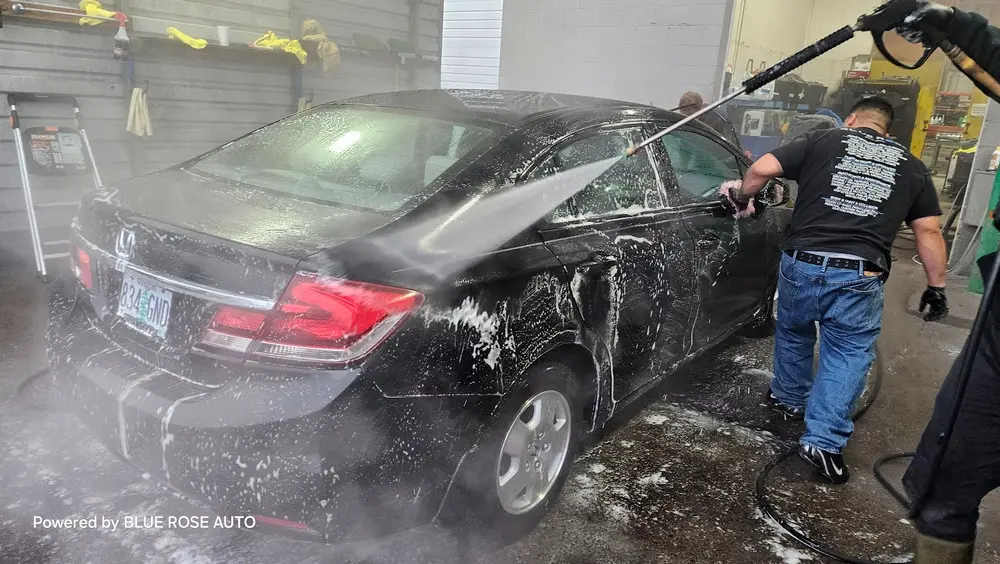
A common concern during colder months is how often should you wash your car in the winter. Winter brings moisture, grit, and road treatments that stick to wheel wells and undercarriages.
Washing every one to two weeks during winter helps remove corrosive residue. Even if snow stays limited, road treatments linger. Skipping winter washes often leads to rust showing up in spring.
Midday washes work best during colder months. Drying door seals and jambs prevents freezing issues later in the day.
When Is It Too Cold to Wash Your Car
Drivers often ask when is it too cold to wash your car. Temperature matters, yet timing matters just as much.
Washing works best when daytime temperatures stay above freezing for several hours. That allows water to drain and evaporate. Washing late in the evening increases the risk of frozen locks and seals.
During winter in Eugene and Springfield, choosing a warmer part of the day keeps washing safe and effective.
Can You Wash Your Car Too Much
Another frequent question is can you wash your car too much. Frequency alone does not cause damage. Method matters more.
Frequent washing using proper soap, clean tools, and gentle techniques does not harm paint. Problems start when dirty brushes, harsh cleaners, or abrasive towels get used. Those methods create swirl marks and scratches.
Hand washing or touchless washes remain the safest options for regular care.
Are Auto Car Washes Bad for Your Car
Drivers also wonder are auto car washes bad for your car. Older brush-style washes can scratch paint by dragging dirt across the surface.
Touchless washes reduce that risk and work well during winter. Hand washing stays the safest option for paint longevity. Vehicles that recently received collision repair benefit from gentle washing methods to protect repaired areas. Work vehicles with commercial wraps need regular cleaning to protect branding and material lifespan Routine washing supports deeper services like auto detailing. Detailing restores paint condition and protects surfaces, yet it works best when vehicles stay consistently clean. Services like battery replacement and charging often reveal corrosion linked to neglected cleaning around terminals. Drivers searching for an Auto Mechanic in Eugene, Oregon, often discover rust or paint damage that could have been slowed with consistent washing. Clean paint improves the results of appearance upgrades. Car window tinting looks better on a clean vehicle and lasts longer when seals stay free of grime.
How Often Should You Wash Your Car Based on Driving Habits
Driving patterns affect washing needs. Short trips around town leave contaminants sitting longer. Highway driving sheds dirt faster, yet bug residue still builds up.
Vehicles parked outdoors collect more sap, pollen, and droppings. Those substances damage paint fast. Frequent washing prevents staining and etching.
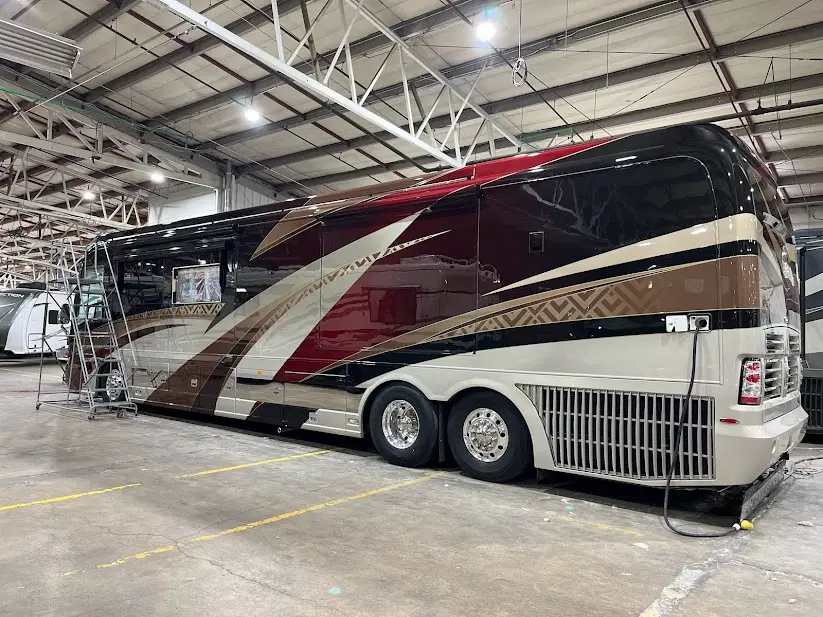
Work vehicles with commercial wraps need regular cleaning to protect branding and material lifespan.
The Link Between Washing and Auto Detailing
Routine washing supports deeper services like auto detailing. Detailing restores paint condition and protects surfaces, yet it works best when vehicles stay consistently clean.
Neglecting washing allows buildup that later requires aggressive correction. Regular cleaning extends the life of paint protection and trim finishes.
Interior cleanliness matters as well. Dirt tracked inside wears carpets and plastic surfaces over time.
Car Wash Checklist Used in the Shop
During service visits, this checklist helps explain proper washing habits clearly:
-
Rinse before scrubbing
A thorough rinse removes loose grit that scratches paint during washing. Skipping this step causes swirl marks. -
Use automotive soap
Household cleaners strip wax and dry out trim. Proper soap cleans without harming finishes. -
Wash from top to bottom
Starting at the roof keeps heavier dirt from spreading onto cleaner areas. -
Clean wheels last
Brake dust contains abrasive particles. Washing wheels last prevents cross-contamination. -
Dry seals and jambs
Drying reduces water spots and prevents winter freezing issues.
How Washing Supports Other Vehicle Systems
Clean vehicles protect more than paint. Dirt buildup around sensors, lights, and trim interferes with proper operation.
Underbody washing reduces corrosion on brake lines and suspension components. Electrical systems benefit as well. Moisture mixed with grime causes corrosion over time.
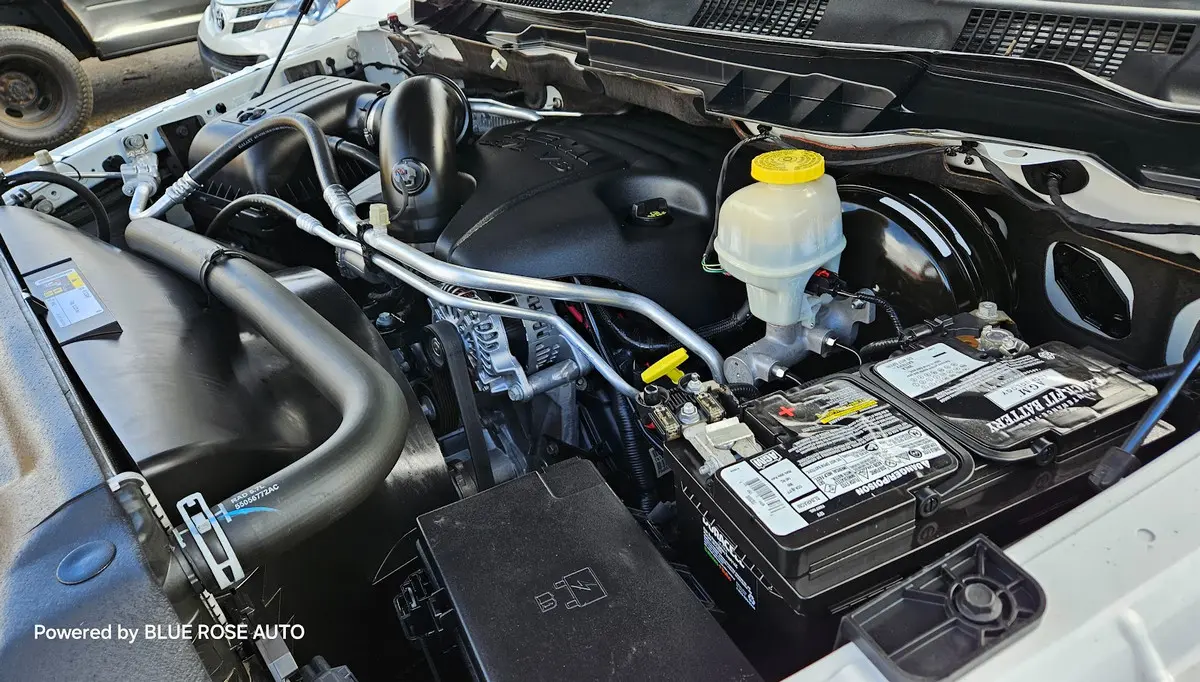
Services like battery replacement and charging often reveal corrosion linked to neglected cleaning around terminals.
Local Driving Makes Washing More Important
Eugene and Springfield experience constant moisture. Even light rain leaves residue behind. Rural roads add dust and mud that stick to paint.
Vehicles driven between Veneta and Junction City collect road film quickly. Washing prevents that buildup from bonding to surfaces.
Drivers searching for an Auto Mechanic in Eugene, Oregon, often discover rust or paint damage that could have been slowed with consistent washing.
Washing and Appearance Services
Clean paint improves the results of appearance upgrades. Car window tinting looks better on a clean vehicle and lasts longer when seals stay free of grime.
Detailing, tinting, and paint care all rely on regular washing. Skipping washes shortens the lifespan of these services.
Trusted Local Care Across Lane County
Drivers working with an Auto Mechanic in Springfield, Oregon, often receive washing advice alongside maintenance guidance. Preventive care reduces repair costs.
The same approach applies to customers visiting an Auto Mechanic in Junction City, Oregon or an Auto Mechanic In Cottage Grove, Oregon. Conditions change slightly by area, yet the goal stays consistent. Keep vehicles protected year-round.
Frequently Asked Questions About Car Washing
How often should you wash your car in rainy weather?
Rain leaves residue behind. Washing every two weeks removes buildup before damage starts.
How often should you wash your car in the winter?
Winter driving calls for washing every one to two weeks to remove road treatments.
Can you wash your car too much?
Frequent washing using proper methods does not harm paint.
Are auto car washes bad for your car?
Brush-style washes can scratch paint. Touchless or hand washing works better.
When is it too cold to wash your car?
Washing works best when temperatures stay above freezing for several hours.
Does washing help prevent rust?
Yes. Removing moisture-trapping grime slows corrosion.
Should the undercarriage be washed?
Yes. Underbody cleaning removes residue that causes rust.
Does washing help resale value?
Clean paint and trim help maintain vehicle value.
How does washing affect wraps?
Gentle washing extends the life of wraps and graphics.
Should cars be washed after repairs?
Yes. Clean surfaces protect repairs and reveal issues early.
Schedule Vehicle Care With Blue Rose Auto Repair
Drivers across Eugene, Springfield, and surrounding Oregon communities trust Blue Rose Auto Repair for practical guidance and dependable service. Washing habits play a role in keeping vehicles protected year-round.
For inspections, maintenance, or appearance services, call (541) 344-0115 or schedule an appointment through the contact page. Keeping vehicles in good shape starts with the basics and continues with trusted local care.
See Also:
- Car Tune-Up Warning Signs: How to Tell When Your Car Needs a Tune-Up
- CVT Transmission Pros and Cons Explained for Oregon Drivers
- How to Choose Aftermarket Wheels for Eugene and Springfield Drivers
- Pros and Cons of Automatic Transmissions Explained by a Local Auto Shop
- 10 Essential Automobile Components That Can Be Replaced Before Problems Grow


0 Comments