Many drivers ask why is my car overheating when they come in for service. The engine always makes heat, but the cooling system keeps that heat under control. When something slows that process down, the temperature climbs. That can happen gradually, or it can hit all at once while driving along I-105, Franklin Blvd, Main Street in Springfield, or even while sitting in a parking lot.
We explain this the same way we would if you were standing with us in the shop. No complicated talk. Just clear steps and signs to watch for.
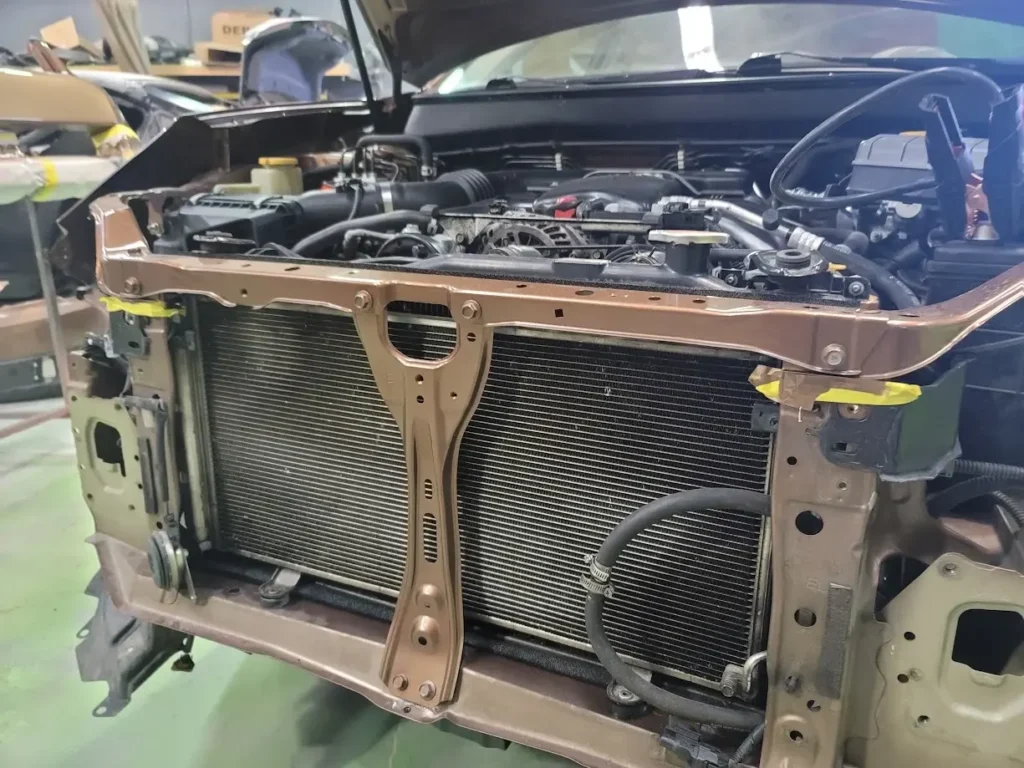
Heat leaves the engine through coolant. The coolant moves into the radiator. The radiator releases heat into the air. A problem anywhere in that path can cause the temperature gauge to rise.
Why Is My Car Overheating?
Drivers in Eugene, Springfield, and nearby communities often deal with overheating once a vehicle gets some age on it. Roads here change elevation, and weather can shift from cool mornings to warm afternoons, so weak cooling parts reveal themselves fast.
When someone asks why is my car overheating, the answer usually points to one part that is no longer keeping up:
- Low coolant
- Slow coolant flow
- Poor airflow through the radiator
- Heat not transferring out fast enough
Any of these can make the engine run hotter than normal.
Why Is My Car Overheating All of a Sudden?
A sudden temperature spike can feel confusing. The engine may run fine one moment, then jump into the hot range with no warning. This often means something happened quickly.
Common quick changes include:
- A coolant hose split open
Coolant leaks fast, the system can’t move heat, and the temperature jumps. - A thermostat jammed in the closed position
The coolant stays trapped in the engine, so heat builds up soon after starting. - A belt stopped driving the water pump
Without that belt turning the pump, coolant does not circulate.
This type of overheating can show up in stop-and-go traffic near Eugene’s downtown or on Gateway Street in Springfield. Quick rises in temperature call for attention right away.
What Are 10 Common Causes of Overheating?
Drivers sometimes ask for a list, so here is a clear breakdown:
- Low coolant from a small leak
- Thermostat stuck closed
- Weak or worn water pump
- Radiator clogged internally
- Radiator fins blocked with debris
- Cooling fan not turning on
- Loose or slipping belt
- Air trapped in the cooling system
- Head gasket leak
- Old coolant that can’t carry heat
Each issue slows the system down. Once cooling falls behind, temperature rises fast.
Why Is My Car Overheating When I Drive?
If a vehicle stays cool at idle but overheats while driving, the radiator or water pump often can’t keep up under load. This shows up more on hills or highways.
Why Is My Car Overheating When Idling?
If the car heats up while sitting still, the cooling fan is often the issue. Without airflow at idle, heat stays trapped.
Why Is My Car Overheating When I Start?
If temperature climbs soon after starting, the thermostat may not be opening. Coolant needs to circulate early to control heat.
Why Is My Car Overheating and Smoking?
Smoke or steam means coolant or oil is contacting hot components. White steam points to coolant. Dark smoke may indicate oil. Stop driving immediately.
Temporary Fix for Overheating Car
A temporary fix for overheating car can help you reach a safe spot:
- Turn the cabin heater to full hot
This pulls heat away from the engine. - Pull over before the gauge hits red
Letting the engine cool helps prevent damage.
These steps buy time. They do not fix the problem.
How to Fix an Overheating Car
To fix overheating correctly, the cause must be identified. We test pressure, coolant flow, fan operation, water pump function, thermostat movement, and radiator efficiency. Then we explain the repair clearly.
If the vehicle also has starting or charging issues, we handle battery replacement and charging.
If overheating led to body damage, we also offer collision repair.
For finishing services, we provide commercial wraps and auto detailing.
For comfort and heat control, we also offer car window tinting.
Areas We Serve
We provide Auto Protection & Repair Services in Eugene, Oregon.
Frequently Asked Questions
Does the heater cool the engine?
Yes. The heater core moves heat away from the engine.
Can low coolant cause overheating?
Yes. Coolant is critical for heat control.
Is water okay in an emergency?
Temporarily, yes. Coolant should be restored soon.
Can overheating damage the head gasket?
Yes. Excess heat can warp engine surfaces.
Need Your Vehicle Checked?
If you’re asking why is my car overheating, it’s best to have the cooling system checked early.
Call (541) 344-0115 or visit our contact page.
We help drivers across Eugene, Springfield, and nearby areas keep their vehicles running safely.
See Also:
- How Can You Tell If a Catalytic Converter Is Clogged
- Sunroof Glass Replacement in Eugene and Springfield
- Car Water Leak Issues in Eugene and Springfield
- Car Mold Removal Services in Eugene, Oregon
- RV Painting Services in Oregon: What To Know Before You Schedule Work

0 Comments