
Car batteries power everything in your vehicle. From starting your engine to charging your phone, this small but mighty component keeps you moving. Yet most drivers know very little about when to replace their battery.
Understanding battery replacement timing saves you money and prevents roadside emergencies. This guide teaches you everything you need to know about car battery lifespan, warning signs and replacement strategies.
Battery Lifespan: What Every Driver Should Know
The Standard Answer: 3-5 Years
Most automotive experts agree that car batteries last between three and five years. This range exists because many factors affect battery life. Your driving habits, local climate, and battery quality all play important roles.
Regional Differences Matter
Where you live dramatically impacts battery longevity. Hot climates like Arizona and Texas typically see batteries fail after just two to three years. The intense heat accelerates chemical reactions inside the battery, causing faster degradation.
Moderate climates such as California and the Pacific Northwest often get four to five years from their batteries. The stable temperatures create ideal conditions for battery chemistry.
Cold regions present unique challenges. While freezing temperatures don’t kill batteries as quickly as heat, they expose weakened batteries. A battery that works fine in summer might fail on the first cold morning of winter.

Understanding Battery Chemistry
Car batteries use lead-acid chemistry to store and release electrical energy. Inside each battery cell, lead plates sit submerged in sulfuric acid. When you turn your key, chemical reactions between the lead and acid create electricity.
Over time, these reactions create lead sulfate crystals on the battery plates. Small amounts of crystallization are normal. But excessive buildup reduces the battery’s ability to hold a charge. Eventually, the battery can no longer provide enough power to start your engine.
Heat speeds up all chemical reactions, including the harmful ones that damage your battery. This explains why hot climates reduce battery life so dramatically.
Recognizing the Warning Signs
Smart drivers learn to spot battery problems before complete failure occurs. These warning signs give you time to plan a replacement rather than facing an emergency.
Engine Cranking Issues
The most common early warning sign is slow engine cranking. When you turn your key, listen carefully to how your engine starts. A healthy battery spins the starter motor quickly and confidently.
Slow cranking sounds labored and sluggish. The engine turns over, but everything happens more slowly than normal. This indicates your battery is losing its ability to deliver full power.
Don’t ignore slow cranking, even if your car eventually starts. This symptom typically appears weeks or months before complete battery failure. Use this warning time to test your battery and plan for replacement.
Dashboard Warning Indicators
Modern vehicles monitor their electrical systems constantly. When problems develop, warning lights appear on your dashboard to alert you.
The battery warning light is obvious – it looks like a small battery symbol. But other warning lights can also indicate battery problems. Your car’s computer systems need steady electrical power to function properly. A weakening battery can trigger multiple warning lights simultaneously.
Common lights that may indicate battery issues include check engine, ABS, airbag, and traction control warnings. If several electrical warning lights appear together, suspect battery problems.
Electrical System Performance
Your battery powers every electrical component in your vehicle. As battery strength declines, you’ll notice problems throughout your car’s electrical systems.
Headlights may appear dimmer than usual, especially at idle. Interior lights might seem weak or flicker. Power windows could move more slowly. Your radio might reset itself or lose saved stations.
Air conditioning and heating fans may run at reduced speed. Power seats might move sluggishly. Even your charging ports for phones and devices may provide less power.
If you notice multiple electrical problems developing simultaneously, your battery is likely the culprit.
Physical Battery Inspection
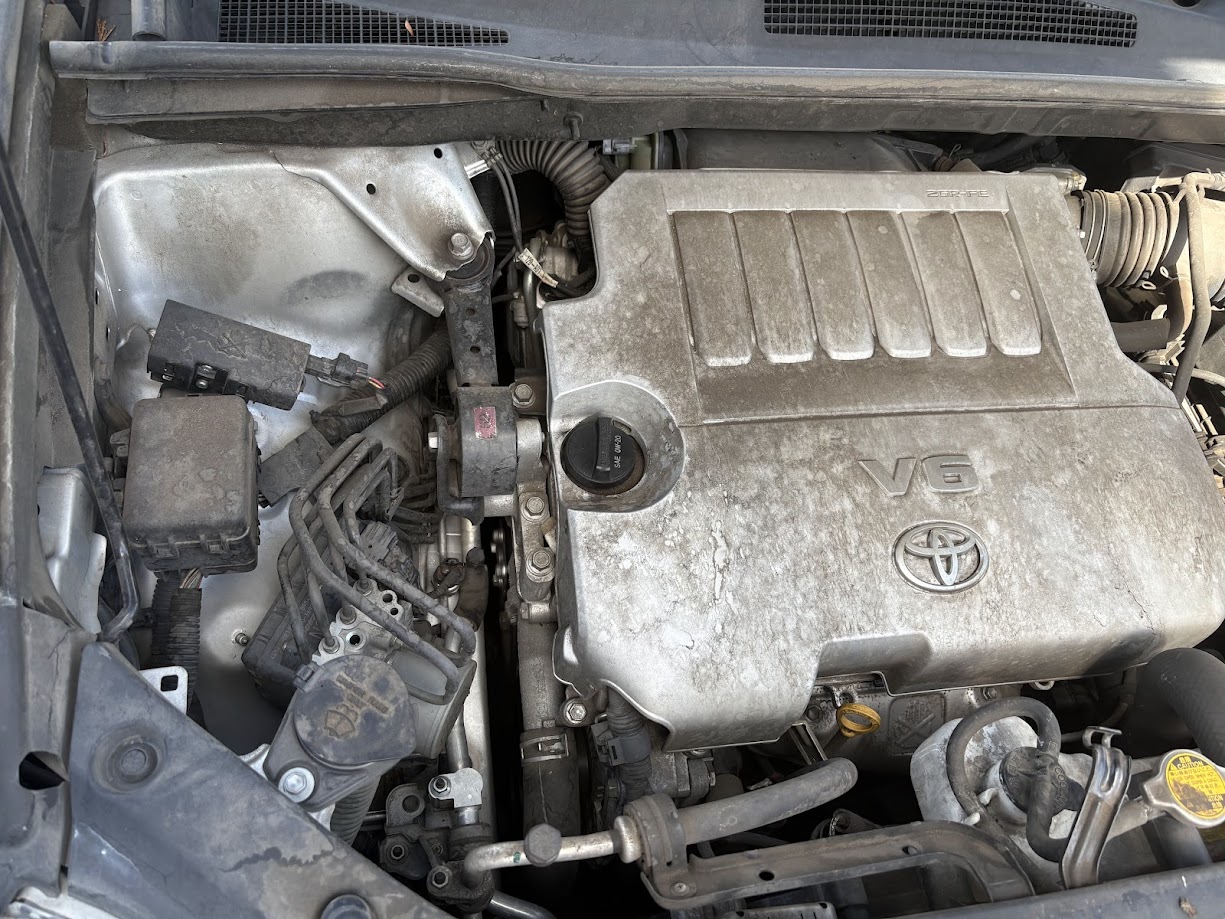
Visual inspection reveals important clues about battery health. Pop your hood and examine your battery closely at least once per month.
Look for physical damage to the battery case. Cracks, bulges, or swelling indicate internal problems that require immediate replacement. A swollen battery case suggests dangerous internal pressure buildup.
Check the battery terminals for corrosion. White, powdery buildup around the terminals reduces electrical connections and makes your battery work harder. Clean corrosion promptly with baking soda and water.
Examine the battery cables for damage. Frayed, cracked, or loose cables can cause charging problems that shorten battery life.
Conclusion
Car battery replacement timing depends on multiple factors including age, performance, climate, and driving conditions. Most batteries last 3-5 years, but smart drivers monitor their battery’s condition and plan replacement before failure occurs.
Regular testing, proper maintenance, and attention to warning signs help you maximize battery life and avoid roadside emergencies. Understanding different battery technologies helps you choose the right replacement for your specific needs and budget.
Whether you choose DIY or professional replacement, proper timing and quality components ensure reliable transportation and prevent the inconvenience and expense of unexpected battery failure.
Stay proactive about battery maintenance and replacement. Your reliable transportation depends on this critical component working properly when you need it most.
Need a new car battery in Eugene, OR? Visit Blue Rose Auto for quick, reliable replacement you can trust. Drive with confidence—stop by today or book your service online!
See Also:
- Signs That Your Battery Has to Be Replaced Before You Get Stranded
- Wheel Alignment vs Front End Alignment Explained for Oregon Roads
- What to Do When Power Steering Goes Out Before Damage Gets Worse
- How to Check Transmission Fluid Before Shifting Problems Start
- How to Make an Engine More Efficient Without Replacing Your Vehicle



0 Comments