What Does Collision Insurance Cover for Drivers in Eugene, Springfield, and Nearby Oregon Communities
After an accident, one of the first questions drivers ask is what does collision insurance cover and how much of the repair cost will actually be paid. Insurance terms can feel confusing, especially when dealing with vehicle damage, deductibles, and repair estimates at the same time.
Across Eugene, Springfield, Junction City, Cottage Grove, Veneta, and nearby Oregon communities, drivers experience everything from minor dents to serious collisions. Because of this, understanding your coverage before an accident happens helps prevent surprises later.
A clear explanation of coverage makes it easier to decide how to move forward after a collision.
What Does Collision Insurance Cover in Real Situations
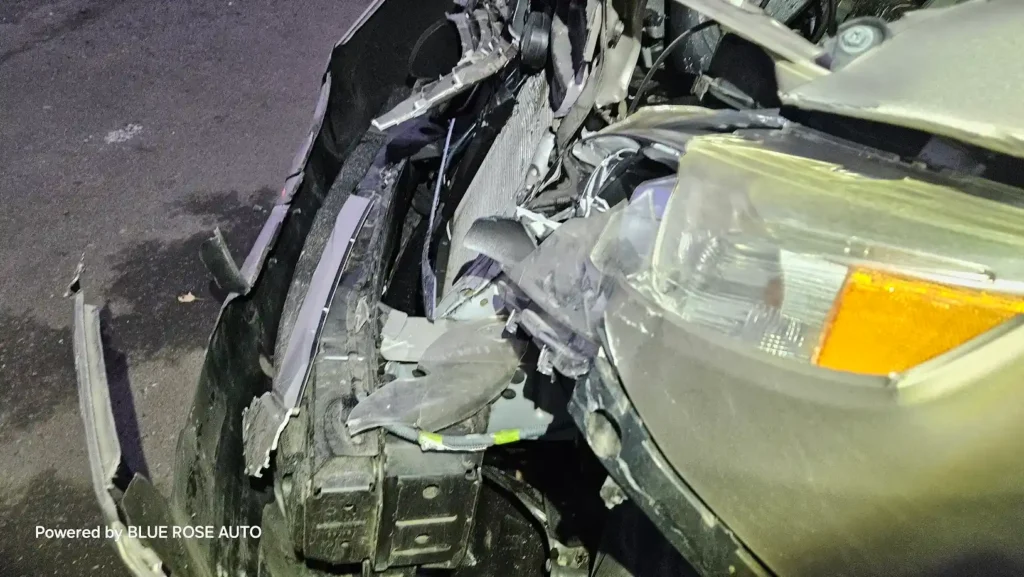
Collision insurance focuses on damage to your own vehicle after an accident, regardless of who caused it.
Coverage typically includes:
- Damage from hitting another vehicle
This includes front-end, rear-end, and side-impact collisions affecting structure and components. - Impact with objects like poles or guardrails
Even low-speed impacts may cause hidden alignment or structural issues. - Single-car accidents
Sliding off the road or losing control still falls under collision coverage. - Damage from potholes or road hazards
Severe impacts can affect suspension and undercarriage components.
Car collision insurance helps cover repair or replacement costs based on your policy limits and deductible.
How Coverage Applies in Everyday Accidents
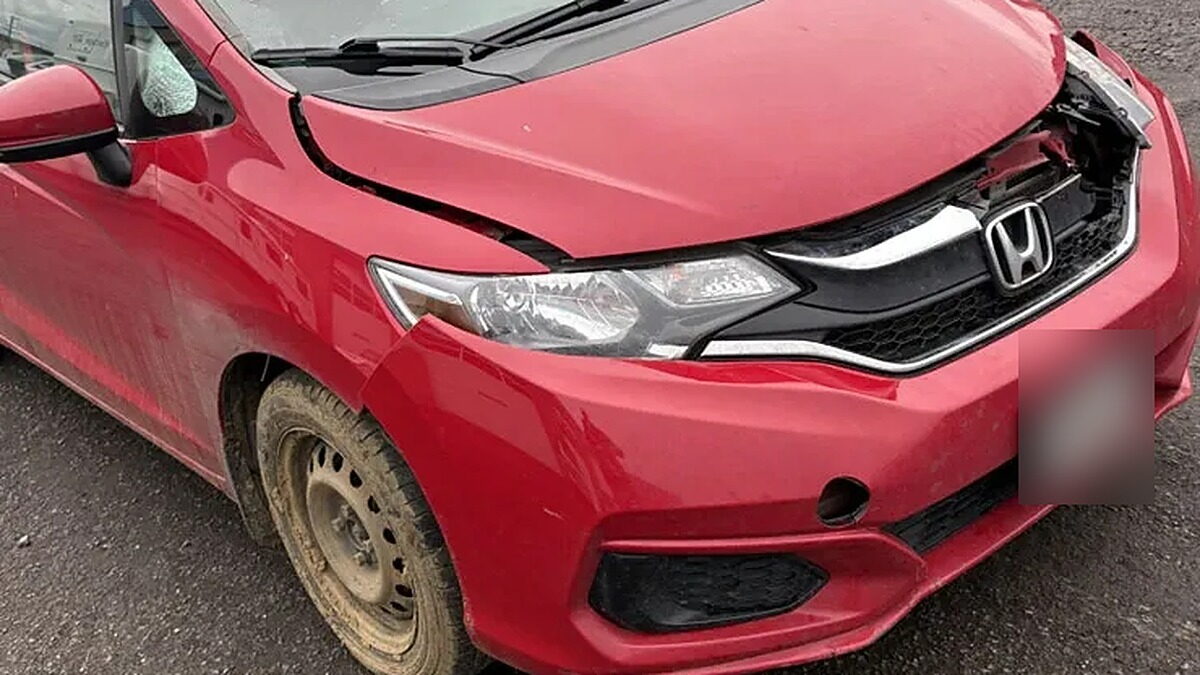
Coverage applies whether the damage involves another vehicle or a fixed object. Therefore, drivers can rely on protection even in single-car incidents.
How Auto Collision Insurance Works After an Accident
After an accident, the process begins with a damage inspection and repair estimate. Once the claim is approved, insurance covers the cost minus your deductible.
For example:
- repair cost: $3,000
- deductible: $500
- insurance payout: $2,500
Auto collision insurance reduces out-of-pocket expenses, especially for body repairs and structural work. Drivers visiting an Auto Mechanic in Eugene, Oregon often ask how claims apply before starting repairs.
Understanding Deductibles and Payouts
The deductible is the portion you pay before insurance contributes. As a result, choosing the right deductible affects both monthly premiums and repair costs.
What Car Crash Insurance Does Not Cover
Not all damage falls under collision coverage. Therefore, it is important to understand the limits.
Car crash insurance generally does not include:
- Engine failure unrelated to impact
Mechanical issues fall under maintenance, not insurance. - Theft or vandalism
These are usually covered under comprehensive insurance. - Weather damage
Events like hail or flooding fall outside collision coverage. - Personal belongings inside the vehicle
Items inside the car are not included.
Understanding these exclusions helps avoid confusion during claims. Drivers often consult an Auto Mechanic in Springfield, Oregon when separating accident damage from mechanical issues.
Why Coverage Limits Matter
Knowing what is excluded prevents unexpected costs. Therefore, reviewing your policy regularly is essential.
Collision Repair Costs in Eugene and Springfield
Repair costs vary depending on damage severity and parts required.
Typical estimates include:
- minor dent repair: $300 – $1,200
- bumper repair or replacement: $500 – $2,500
- multi-panel damage: $1,500 – $4,500
- structural repair: $4,000 – $10,000+
Collision insurance often covers these costs after deductibles are applied. In addition, working with a trusted repair shop ensures quality and safety.
What Affects Repair Costs
Damage extent, labor, and parts availability all influence pricing. Therefore, early inspection helps determine accurate estimates.
When to Drop Collision Insurance
Some drivers ask when to drop collision insurance as their vehicle ages.
Factors to consider include:
- Vehicle value
Lower-value vehicles may not justify continued coverage. - Deductible amount
Higher deductibles reduce the benefit of keeping coverage. - Monthly premium
Compare long-term cost with potential payouts. - Vehicle condition
Well-maintained vehicles may still benefit from coverage.
If the vehicle’s value is lower than the combined cost of premiums and deductible, dropping coverage may make sense. Drivers often review this decision with an Auto Mechanic in Junction City, Oregon or an Auto Mechanic In Cottage Grove, Oregon.
How to Evaluate Coverage Value
Balancing repair cost risk against premium cost helps determine whether to keep or drop coverage.
What Happens During Collision Repair After a Claim
Once the claim is approved, the repair process follows structured steps:
- Damage assessment and documentation
Technicians identify visible and hidden damage. - Disassembly for deeper inspection
This reveals structural concerns. - Repair or replacement of damaged parts
Components are restored to proper condition. - Paint matching and refinishing
New paint is blended with existing panels. - Final inspection and testing
The vehicle is checked for safety and performance.
Shops performing collision repair focus on restoring both safety and appearance.
Why Proper Repair Process Matters
Following a structured process ensures the vehicle returns to safe operating condition. Therefore, quality repair protects long-term reliability.
Services Often Recommended After a Collision
After repairs, additional services help restore the vehicle completely.
- battery replacement and charging if electrical systems are affected
- auto detailing to refresh the vehicle
- commercial wraps for business vehicles
- car window tinting for comfort and visibility
These services improve both appearance and functionality after repairs.
How Post-Repair Services Add Value
Additional services enhance comfort and extend vehicle life. As a result, the vehicle feels fully restored.
Why Understanding Coverage Helps Avoid Delays
Knowing your policy details helps speed up the repair process.
Drivers who understand coverage can:
- approve repairs faster
- plan for deductible costs
- avoid unexpected expenses
- choose appropriate repair options
Clear expectations reduce stress and simplify the process after an accident.
Benefits of Being Prepared
Preparation allows faster decisions and smoother claims handling. Therefore, drivers can return to the road sooner.
Frequently Asked Questions About Collision Insurance
What does collision insurance cover?
It covers damage to your vehicle from accidents involving vehicles or objects.
Does collision insurance cover hitting a pole?
Yes, it typically includes object-related damage.
Is collision insurance required?
It is optional unless required by a lender.
Does it cover weather damage?
No, weather damage is covered by comprehensive insurance.
What is a deductible?
It is the amount you pay before insurance covers the rest.
Can collision insurance cover total loss?
Yes, if repair costs exceed vehicle value.
Does it cover other vehicles?
No, that is handled by liability insurance.
How much does collision coverage cost?
Premiums vary based on multiple factors.
When should collision insurance be dropped?
When the vehicle value is lower than repair and coverage costs.
Does insurance choose the repair shop?
Drivers usually have the option to choose.
Bottom Line: Move Forward With Confidence After a Collision
Understanding what does collision insurance cover helps you make informed decisions after an accident. Clear coverage knowledge allows you to plan repairs, manage costs, and restore your vehicle properly. Drivers across nearby Oregon communities benefit from working with repair shops that understand both insurance and repair processes.
If your vehicle has been involved in an accident, Blue Rose Auto can inspect the damage and guide you through the next steps. Call (541) 641-8877 or contact us to schedule your service.
0 Comments