
Questions about how to check transmission fluid come up often during inspections and routine service. Drivers around Eugene, Springfield, and nearby Oregon towns usually ask after noticing delayed shifting, slipping, or odd noises. Transmission fluid plays a major role in how a vehicle drives, shifts, and holds up over time.
Local driving conditions matter. Stop-and-go traffic, short trips, hills, and wet roads all place extra strain on transmissions. Checking fluid the right way helps catch issues early and prevents damage that leads to expensive repairs. This guide explains transmission fluid checks the same way it’s explained across the shop counter, using clear language and real-world examples.
Why Learning How to Check Transmission Fluid Matters
How to check transmission fluid correctly helps protect one of the most expensive parts of a vehicle. Transmission fluid lubricates internal parts, controls temperature, and helps gears shift smoothly. Low or dirty fluid causes friction, heat, and wear.
When fluid levels drop or fluid breaks down, shifting problems start showing up. Catching those changes early makes a big difference. Small fixes stay manageable. Ignored issues grow fast.
Local driving around Eugene and Springfield adds extra stress. Frequent stops and short trips prevent fluid from circulating fully. Regular checks help offset that strain.
How to Check Transmission Fluid Level Safely
Drivers often ask how to check the transmission fluid level without risking damage. The process depends on vehicle type, yet some basics apply to most vehicles.
Many vehicles use a dipstick. Others use sealed systems that require professional checks. For dipstick systems, the engine usually needs to run and reach operating temperature. Checking fluid cold gives inaccurate readings.
Parking on level ground matters. Sloped driveways cause false readings. Clean rags help prevent contamination. Fluid color and smell offer clues beyond level alone.
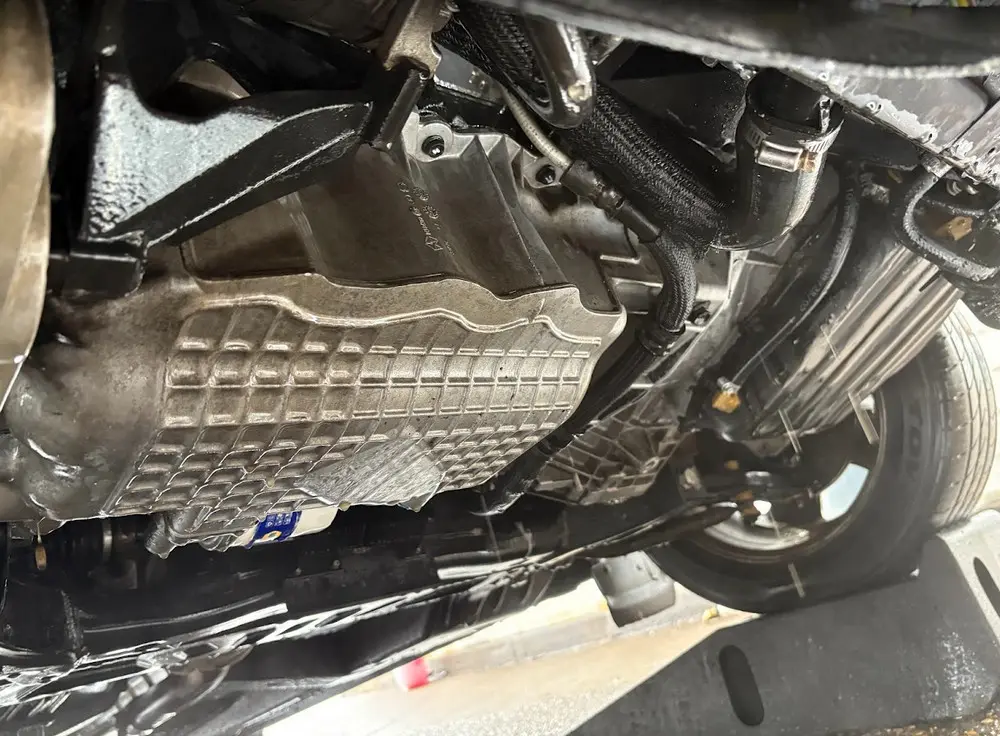
How to Check Automatic Transmission Fluid Properly
How to check automatic transmission fluid involves more than pulling a dipstick. Automatic transmissions rely on fluid pressure to shift gears. Low fluid causes slipping and delayed engagement.
After warming the engine, shifting through gears allows fluid to circulate. Leaving the engine running during the check provides the correct reading. Fluid should appear clean and red or amber, depending on type.
Dark fluid or a burnt smell signals trouble. Those signs point to overheating or internal wear. Early service prevents bigger damage.
Signs Transmission Fluid Needs Attention
Transmission fluid issues rarely appear all at once. Early signs show up gradually.
Delayed shifting, rough gear changes, or hesitation often signal low or degraded fluid. Whining noises or vibration under load also point to fluid problems. Leaks under the vehicle confirm fluid loss.
Ignoring these signs leads to internal damage. Addressing fluid issues early protects gears, clutches, and seals.
How Often to Change Transmission Fluid
Drivers frequently ask how often to change transmission fluid since schedules vary. Mileage offers guidance, yet driving habits matter just as much.
Many vehicles need service between 30,000 and 60,000 miles. City driving, towing, hills, and short trips shorten those intervals. Oregon driving conditions often fall into severe use categories.
Waiting too long allows debris to circulate through the system. Fresh fluid restores lubrication and cooling before damage starts.
When to Change Transmission Fluid Based on Driving Conditions
When to change transmission fluid depends on how the vehicle gets used. Stop-and-go traffic around Springfield heats fluid faster. Hill driving increases load and pressure.
Vehicles used for commuting short distances rarely allow fluid to cool properly. That heat breaks fluid down faster. Earlier service helps prevent wear.
Regular inspections help determine timing based on actual condition rather than mileage alone.
Common Mistakes Made During Fluid Checks
Many problems start with incorrect checks. Using the wrong fluid type causes shifting issues. Overfilling creates pressure problems and foaming.
Checking fluid at the wrong temperature leads to incorrect readings. Skipping professional inspections on sealed systems causes missed issues.
Clear instructions and proper tools make a difference. When in doubt, professional checks avoid costly mistakes.
Manual vs Automatic Transmission Fluid Checks
Manual transmissions differ from automatics. Many manuals use gear oil rather than transmission fluid. Checking usually involves a fill plug rather than a dipstick.
Automatic systems rely more heavily on fluid condition. Pressure and cooling depend on proper levels. Automatics require closer monitoring.
Knowing which system the vehicle uses prevents incorrect service.
Checklist Used During Transmission Fluid Inspections
During inspections, this checklist helps explain what gets reviewed and why it matters:
- Fluid level. Low fluid causes slipping and delayed shifting.
- Fluid color. Dark or cloudy fluid signals wear or overheating.
- Fluid smell. Burnt odors point to excessive heat.
- Leaks. Small leaks turn into major losses if ignored.
- Pan condition. Metal debris signals internal wear.
Weather and Transmission Fluid in Oregon
Weather affects transmission fluid more than many drivers expect. Cold mornings thicken fluid, which delays circulation.
Wet roads and hills increase load on transmissions. That extra stress raises fluid temperature.
Seasonal checks help adjust service timing for Oregon conditions.
Short Trips and Transmission Wear
Short trips prevent fluid from reaching full temperature. Moisture builds up inside the transmission.
Frequent cold starts increase wear on internal parts.
Longer drives occasionally help fluid circulate and evaporate moisture.
Why DIY Checks Still Need Professional Oversight
Basic checks help spot early problems, yet professional inspections reveal issues hidden from view.
Technicians check pressure, scan data, and inspect for leaks beyond what’s visible at home.
Early detection saves time and money.
Transmission Fluid and Long-Term Reliability
Clean fluid supports smooth shifting and consistent performance.
Dirty or low fluid shortens transmission life quickly.
Routine checks protect one of the vehicle’s most complex systems.
Local Driving Makes Fluid Checks More Important
Eugene and Springfield traffic patterns place extra strain on transmissions.
Rural driving near Cottage Grove and Junction City adds hills and load changes.
Local service adapts maintenance schedules to those realities.
Schedule Transmission Service With Blue Rose Auto Repair
Drivers across Eugene, Springfield, and surrounding Oregon communities rely on Blue Rose Auto Repair for clear advice and dependable service.
For transmission inspections, fluid service, or shifting concerns, call (541) 344-0115 or schedule an appointment through the contact page. Early attention keeps transmissions shifting smoothly and vehicles on the road longer.
See Also:
- How to Make an Engine More Efficient Without Replacing Your Vehicle
- How Often Should You Wash Your Car? A Technician’s Guide for Oregon Drivers
- Car Tune-Up Warning Signs: How to Tell When Your Car Needs a Tune-Up
- CVT Transmission Pros and Cons Explained for Oregon Drivers
- How to Choose Aftermarket Wheels for Eugene and Springfield Drivers




0 Comments