
If you own a car, you’ve probably heard about scheduled maintenance or service intervals. One of the most common and reliable systems for keeping your car in good condition is the 30-60-90 rule for car repair. This simple rule breaks your vehicle’s maintenance into three major milestones—30,000, 60,000, and 90,000 miles.
Following this schedule helps your vehicle run efficiently, prevents unexpected breakdowns, and extends its lifespan. Essentially, it’s a health plan for your car that focuses on preventive care instead of reactive repairs.
Why Regular Car Maintenance Matters
Regular maintenance is the best way to protect your investment. Many drivers postpone maintenance until something breaks, which often results in more expensive repairs later. By adhering to a preventive maintenance plan, you can identify small issues before they escalate into major problems.
For instance, replacing a dirty air filter or worn belt early can prevent engine damage or poor fuel efficiency. It’s like visiting the doctor for regular checkups rather than waiting until you’re seriously ill. Preventive maintenance keeps your car healthy, safe, and reliable.
Blue Rose Auto strongly recommends following the 30-60-90 schedule. Their certified technicians have seen firsthand how cars that follow regular maintenance perform better, last longer, and cost less to own in the long run.
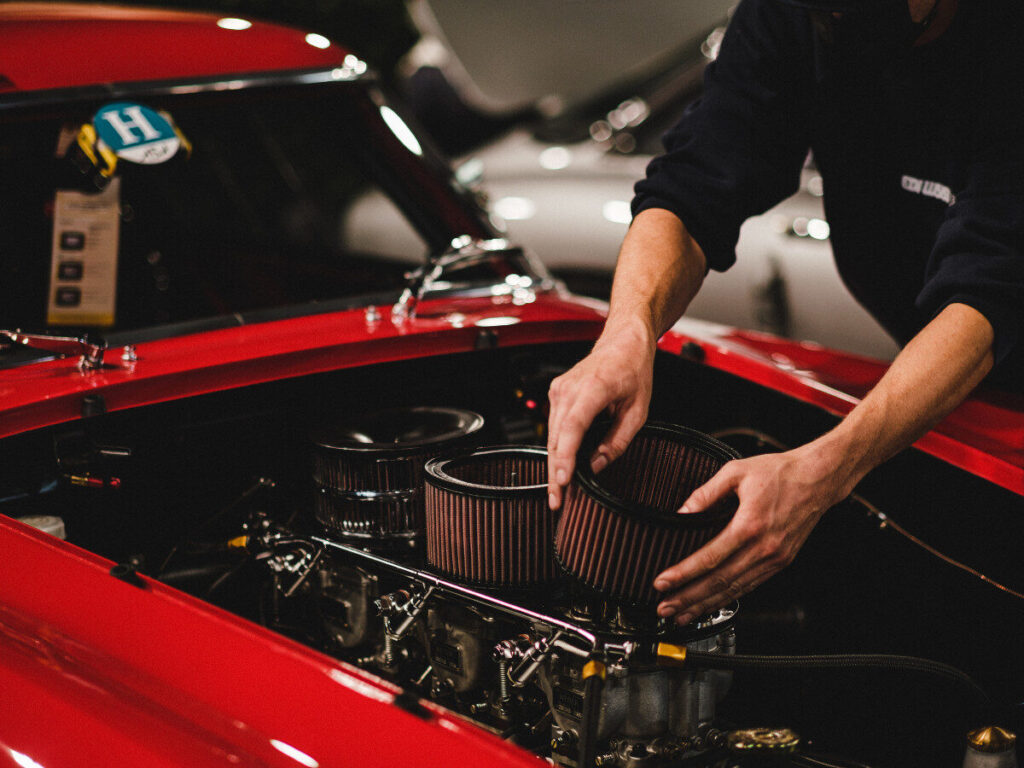
Breaking Down the 30-60-90 Car Repair Schedule
The 30-60-90 rule for car repair serves as a guideline to determine when specific parts and fluids need attention. Each interval has a different focus, depending on the natural wear and tear your car experiences over time. While basic maintenance like oil changes or tire rotations should happen more frequently, these milestones are key for more comprehensive checks.
The 30,000-Mile Service
By the time your vehicle reaches 30,000 miles, it’s already gone through plenty of driving conditions. This first major service point focuses on keeping your engine breathing clean air and running smoothly.
Typical services include:
- Replacing the engine air filter
- Inspecting and replacing the fuel filter
- Changing the engine oil and oil filter
- Inspecting brakes, pads, and rotors
- Rotating and aligning tires
A clogged air filter can hurt fuel economy and reduce acceleration. Similarly, fresh oil and filters prevent buildup that can shorten engine life. This first milestone helps reset your car’s foundation for the next phase of its life.
The 60,000-Mile Service
At 60,000 miles, your car is halfway through its average service life. This stage typically involves replacing fluids and components that have aged or worn out.
Key services include:
- Flushing and replacing transmission fluid
- Changing brake fluid to prevent corrosion
- Inspecting and replacing spark plugs
- Inspecting drive belts and replacing if worn
- Flushing the coolant system
Ignoring this stage could lead to expensive repairs, like transmission damage or cooling system failure. At Blue Rose Auto, technicians inspect every detail to make sure your vehicle continues running like new.
The 90,000-Mile Service
Reaching 90,000 miles means your vehicle has proven its durability. However, it’s also the time when major parts start to show their age. To maintain performance and prevent major breakdowns, this service focuses on replacements and deep inspections.
Recommended services include:
- Replacing the timing belt
- Inspecting or replacing the water pump
- Checking battery voltage and corrosion
- Inspecting suspension components
- Examining the exhaust system for rust or leaks
Skipping this step can be risky. For example, a broken timing belt can cause severe engine damage. Performing the 90k service on time helps your car reach 150,000 miles or more with confidence.
How to Tell If You’re Overdue for Maintenance
It’s easy to forget mileage milestones, especially with a busy schedule. However, if you notice reduced fuel efficiency, strange noises, sluggish acceleration, or warning lights, your car may already be asking for attention.
If you’ve fallen behind, don’t worry. Just bring your vehicle in for an inspection. A professional can help you create a personalized catch-up plan that suits your driving habits and budget.
Factory vs. Personalized Maintenance Schedules
Your car’s owner’s manual outlines factory-recommended service intervals, but these are based on average conditions. If you frequently drive in extreme heat, tow heavy loads, or sit in traffic often, you might need maintenance more often.
That’s why a custom maintenance plan—like the one Blue Rose Auto offers—is ideal. They evaluate your driving habits and adjust the service schedule accordingly, ensuring optimal care at every stage.
Common Myths About the 30-60-90 Rule
There are several misconceptions about car maintenance that can lead to costly mistakes:
- “New cars don’t need service yet.” Even new vehicles need fluid checks and filter replacements to break in properly.
- “I’ll wait until the check engine light comes on.” By then, the damage may already be done.
- “Only dealerships can perform scheduled maintenance.” Independent shops like Blue Rose Auto can handle everything, often at a lower cost.
Staying proactive prevents major issues and keeps your car performing at its best.
Benefits of Following the 30-60-90 Rule
Following the 30-60-90 rule for car repair offers several long-term advantages:
- Enhanced fuel economy
- Fewer unexpected repairs
- Higher resale value
- Longer engine life
- Better overall safety
Every scheduled service adds up to smoother rides, lower costs, and greater peace of mind.
FAQs About the 30-60-90 Rule for Car Repair
1. What happens if I miss one of the milestones?
Missing a service milestone won’t immediately harm your car, but it increases wear and tear. Get caught up as soon as possible.
2. Do all cars follow the same 30-60-90 schedule?
Not necessarily. Check your owner’s manual or ask a mechanic for your specific car’s recommendations.
3. Is the 60,000-mile service expensive?
It depends on the make and model. Most mid-range vehicles cost between $400 and $800 for a complete service.
4. Can I handle some of this maintenance myself?
Yes, simple tasks like changing air filters or checking oil levels can be DIY. However, complex jobs should be left to professionals.
5. How long does a 90,000-mile service take?
Usually between 3 to 5 hours, depending on the parts being replaced and inspection results.
6. What if my car feels fine—do I still need service?
Absolutely. Preventive service keeps problems from developing even when the car seems fine.
7. Does skipping maintenance void the warranty?
In some cases, yes. Failing to follow manufacturer recommendations can affect warranty coverage.
8. Should I use synthetic oil at every interval?
Synthetic oil lasts longer and offers better protection. It’s highly recommended, especially for high-mileage vehicles.
9. How do I know which fluids to replace?
Check your manual or ask a technician to inspect fluid condition and levels during every milestone.
10. Is the 30-60-90 rule still relevant for modern cars?
Yes, even though newer cars last longer, following this schedule ensures reliability and prevents early wear.
Final Thoughts: Keep Your Car Running Strong
Maintaining your vehicle according to the 30-60-90 rule for car repair is one of the smartest investments you can make. Regular inspections, timely replacements, and preventive maintenance protect your vehicle’s performance and your wallet.
If you’re unsure where your car stands on its maintenance journey, visit Blue Rose Auto in Springfield, OR. Their team of certified experts will help you stay on track so you can drive confidently—mile after mile.
See Also:
- All-Season Car Maintenance Tips Every Oregon Driver Should Know
- Vinyl Wrap vs. Car Paint: Which One Should You Choose?
- Ceramic Coating Vs Traditional Wax: Eugene Driver’s Complete Guide
- Oregon Window Tinting Laws: What’s Legal and What’s Not for Drivers
- Major Car Repair Costs Explained by a Local Mechanic



0 Comments