
Questions about how to make an engine more efficient come up often during routine inspections and service visits. Drivers across Eugene, Springfield, and nearby Oregon communities notice higher fuel costs, slower response, or engines that feel strained. Engine efficiency affects fuel usage, performance, and long-term reliability, especially with local driving patterns.
Short trips, wet roads, traffic lights, and changing weather all affect how engines operate in this region. Efficiency does not depend on one single fix. It comes from keeping systems balanced and working together. An efficient engine comes down to air, fuel, spark and heat working in balance, and we explain each one in plain language with real driving examples.
How to Make an Engine More Efficient Starts With Consistent Care
How to make an engine more efficient begins with regular upkeep. Engines rely on clean air, proper fuel flow, and accurate ignition timing. When one part slips, fuel usage rises and power drops.
Filters clog over time. Spark plugs wear down. Fluids break down under heat. Each small issue adds strain. Addressing those basics restores balance and helps engines operate closer to their original design.
Many efficiency concerns trace back to delayed service. Catching those issues early prevents bigger problems and helps engines run more smoothly.
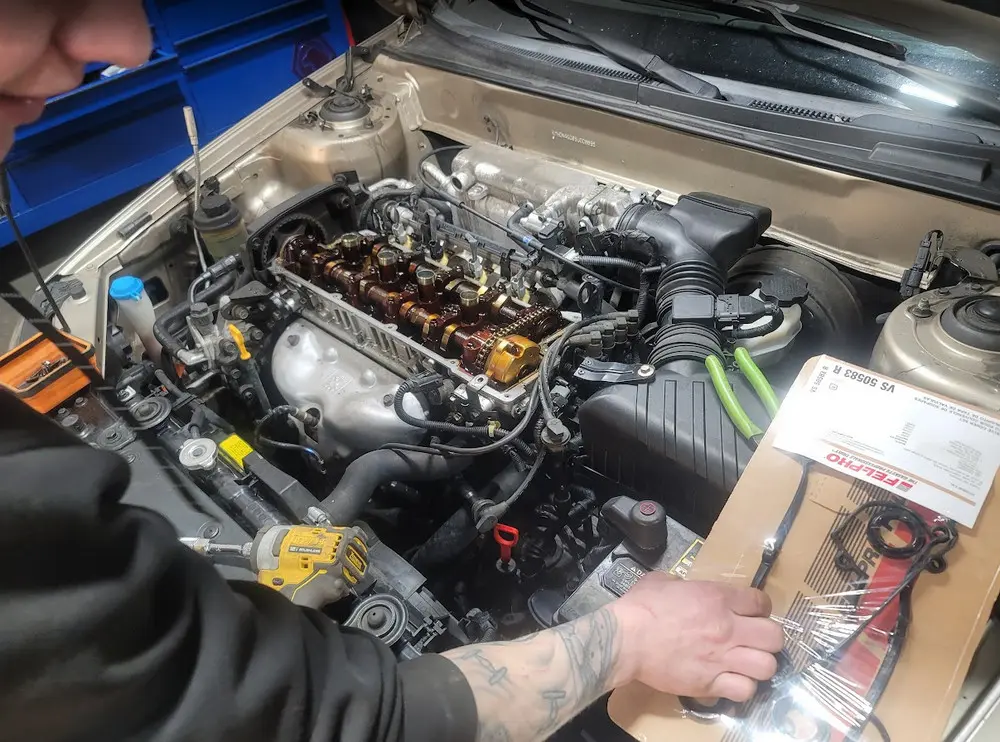
Driving Habits and Their Effect on Engine Efficiency
Driving habits play a big role in efficiency. Stop-and-go traffic around Eugene and Springfield keeps engines running at low speeds for long periods. That limits airflow and increases fuel use.
Short trips cause engines to stay cold longer. Cold engines burn more fuel and allow residue to build up inside. Over time, that buildup affects performance.
Smooth acceleration, steady speeds, and reduced idling support better efficiency. Those habits reduce stress on internal parts and help fuel last longer.
How to Make an Engine More Fuel Efficient Without Major Repairs
Many drivers ask how to make an engine more fuel efficient without replacing parts. In many cases, simple adjustments help.
Proper tire pressure reduces rolling resistance. Underinflated tires force engines to work harder, especially during city driving. Wheel alignment matters too. Misaligned wheels drag and waste energy.
Reducing unnecessary weight helps as well. Carrying extra cargo increases fuel use during acceleration and braking. Removing unused items supports better efficiency.
Routine inspections catch small issues early. Minor fixes often restore noticeable improvements without large repair bills.
Filters, Fluids, and Their Role in Efficiency
Filters and fluids affect efficiency directly. Air filters control airflow into the engine. When clogged, engines struggle to breathe, which raises fuel usage.
Fuel filters protect injectors from debris. Restricted flow disrupts combustion and reduces efficiency. Replacing filters on schedule keeps fuel delivery steady.
Engine oil reduces friction between moving parts. Old oil thickens and slows movement. Fresh oil allows parts to move freely and supports efficiency.
Coolant regulates temperature. Engines running too hot or too cold lose efficiency and experience extra wear.
Combustion Engine Efficiency Explained Simply
Combustion engine efficiency comes down to how well fuel turns into motion. Engines mix air and fuel, ignite it, and convert that energy into movement. Balanced combustion supports smooth power and steady fuel use.
Problems start when mixtures run too rich or too lean. Too much fuel wastes energy. Too little fuel reduces power. Sensors and timing systems manage that balance.
Misfires, dirty injectors, and worn components interrupt combustion. Correcting those issues restores smoother operation and better efficiency.
Gas Engine Efficiency in Everyday Use
Gas engine efficiency relies heavily on ignition health and airflow. Spark plugs ignite fuel thousands of times each minute. As they wear, sparks weaken and fuel burns less completely.
Throttle bodies control airflow. Dirt buildup restricts movement and causes hesitation. Cleaning restores smooth response and steady acceleration.
Gas engines respond well to steady speeds and light throttle input. Aggressive acceleration burns extra fuel and lowers efficiency quickly.
Diesel Engine Efficiency and Local Driving
Diesel engine efficiency works differently from gas engines. Diesel engines rely on compression rather than spark ignition. That design supports better fuel use under load.
Local diesel drivers around Junction City and Cottage Grove often use trucks for work. Short trips and light loads reduce diesel efficiency over time. Diesel engines perform best with steady operation and regular highway use.
Keeping diesel fuel systems clean supports strong torque and consistent fuel economy.
How to Make an Engine More Efficient With Tune-Ups
How to make an engine more efficient often starts with a proper tune-up. Tune-ups restore balance across ignition, fuel delivery, and airflow systems.
Spark plug replacement, sensor checks, and fuel system cleaning improve combustion quality. Engines respond with smoother operation and improved fuel usage.
Tune-ups also reveal early wear. Catching issues early prevents efficiency loss and avoids unexpected breakdowns.
Checklist Used During Efficiency Inspections
During efficiency inspections, this checklist explains what gets reviewed and why it matters:
- Air intake system
Airflow restrictions reduce efficiency quickly. Inspecting hoses, filters, and connections ensures clean air reaches the engine. Small leaks disrupt fuel balance and raise fuel use. - Ignition components
Spark plugs, coils, and wiring control combustion timing. Worn parts cause misfires and wasted fuel. Replacing them restores smooth power delivery. - Fuel delivery system
Injectors spray fuel into the engine. Dirty injectors spray unevenly, which lowers efficiency. Cleaning restores proper fuel patterns. - Engine sensors
Sensors guide fuel and timing decisions. Faulty readings confuse the engine computer. Correct data supports steady efficiency. - Exhaust system
Restricted exhaust traps heat and pressure. Proper flow supports better combustion and performance.
Weather and Engine Efficiency in Oregon
Weather affects efficiency more than many drivers expect. Cold mornings increase fuel use during warm-up. Wet roads increase rolling resistance.
Seasonal changes around Eugene and Springfield affect driving habits. Winter driving includes more idling and slower speeds. Summer heat strains cooling systems.
Routine maintenance helps engines adjust to seasonal changes. Proper coolant levels and clean systems reduce efficiency loss during temperature swings.
Fuel Quality and Its Impact
Fuel quality affects efficiency directly. Contaminated fuel causes rough operation and injector issues. Consistent fuel sources reduce buildup.
Using the correct fuel grade matters. Higher octane does not automatically improve efficiency. Manufacturer recommendations keep engines operating correctly.
Fuel system cleaning helps remove deposits that disrupt spray patterns. Cleaner fuel delivery improves throttle response and efficiency.
Why Engine Efficiency Matters Long Term
Efficient engines last longer. Reduced friction, balanced combustion, and stable temperatures protect internal parts.
Poor efficiency increases wear. Engines working harder generate more heat and stress. Over time, that leads to costly repairs.
Efficiency also affects emissions. Balanced engines produce cleaner exhaust and support inspection standards.
Local Service Makes a Difference
Vehicles in Eugene face different challenges than vehicles driven mostly on highways. Moisture, short trips, and traffic patterns affect efficiency.
Springfield commuters experience stop-and-go conditions that strain engines differently. Rural drivers face dust and debris exposure.
Local service adapts maintenance plans to those conditions instead of using generic schedules.
Frequently Asked Questions About Engine Efficiency
How can poor maintenance reduce engine efficiency?
Poor maintenance causes airflow restrictions, weak ignition, and uneven fuel delivery. When those systems fall out of balance, the engine burns more fuel to do the same work.
Does engine efficiency affect fuel costs?
Yes. Lower efficiency leads to higher fuel consumption. Small losses add up quickly at the pump.
Can short trips reduce engine efficiency?
Yes. Short trips prevent full warm-up and allow residue to build up inside the engine.
How often should efficiency checks happen?
Efficiency checks work best during routine service visits. Regular inspections catch small issues early.
Does tire pressure affect engine efficiency?
Yes. Low tire pressure increases rolling resistance and fuel usage.
Can dirty fuel injectors reduce efficiency?
Yes. Dirty injectors spray fuel unevenly, which wastes fuel and reduces smoothness.
Does weather change engine efficiency?
Yes. Cold increases warm-up time, while heat strains cooling systems.
Is engine efficiency the same for all vehicles?
No. Vehicle design, usage, mileage, and maintenance all affect efficiency.
Does idling reduce engine efficiency?
Yes. Idling burns fuel without moving the vehicle.
Can improving efficiency extend engine life?
Yes. Reduced strain and heat help protect internal components.
Schedule Engine Service With Blue Rose Auto Repair
Drivers across Eugene, Springfield, and surrounding Oregon communities rely on Blue Rose Auto Repair for clear guidance and dependable service. Learning how to make an engine more efficient starts with proper inspections and honest recommendations.
For engine checks, maintenance, or performance concerns, call (541) 641-8877 or schedule service through the contact page. Efficient engines support better fuel use, longer service life, and reliable daily driving.
See Also:
- How Often Should You Wash Your Car? A Technician’s Guide for Oregon Drivers
- Car Tune-Up Warning Signs: How to Tell When Your Car Needs a Tune-Up
- CVT Transmission Pros and Cons Explained for Oregon Drivers
- How to Choose Aftermarket Wheels for Eugene and Springfield Drivers
- Pros and Cons of Automatic Transmissions Explained by a Local Auto Shop

0 Comments