
Clutch replacement cost is one of the first questions that comes up once a manual transmission starts acting strangely. Around Eugene, Springfield, and nearby cities like Cottage Grove, Junction City, and Veneta, manual vehicles still see plenty of road time. With that use comes wear, and clutches wear out slowly until one day the symptoms can’t be ignored.
From the shop’s side, clutch issues don’t usually show up overnight. The signs build over months or even years. Drivers often notice slipping, trouble shifting, or a pedal that feels different. At that point, questions about pricing and repair timing follow quickly.
This guide breaks down clutch replacement cost, what affects pricing, how often clutches wear out, and what steps help extend clutch life.
What a Clutch Does Every Time the Vehicle Moves
The clutch connects the engine to the transmission. Each time the pedal is pressed, the clutch disengages power so gears can change smoothly. Each time the pedal releases, power flows back through the drivetrain.
That constant engagement and release creates friction. Over time, friction wears the clutch disc down. Once that material thins too much, slipping starts.
Local driving habits matter here. Stop-and-go traffic around Eugene and Springfield causes more clutch use than long highway drives.
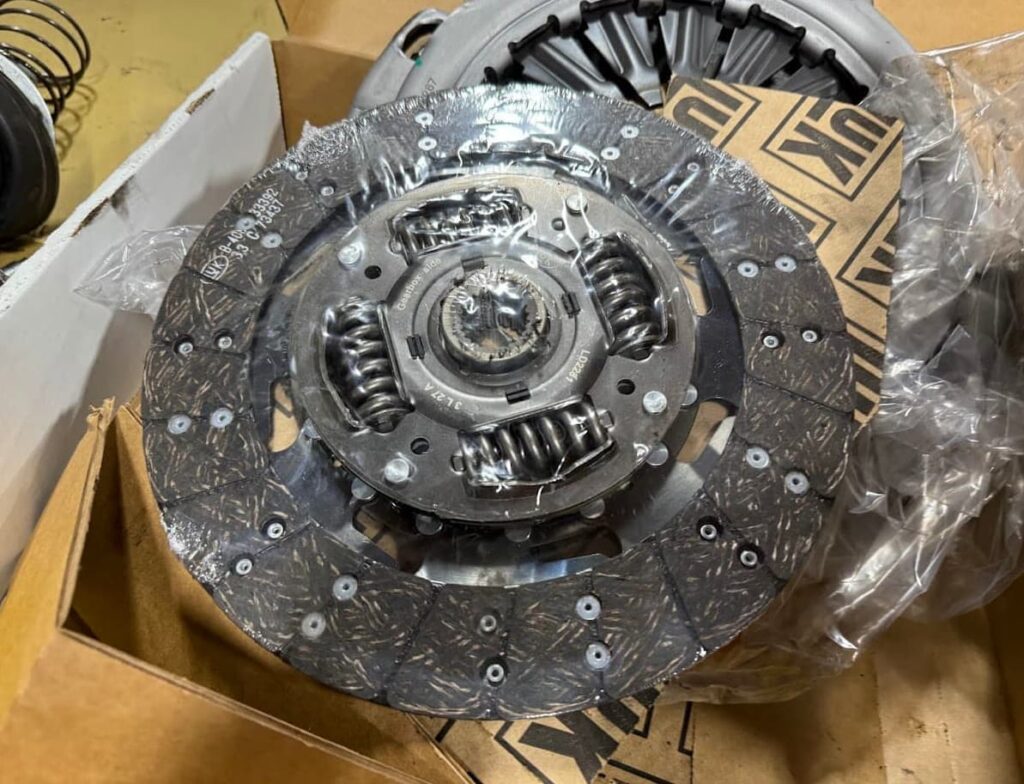
Clutch Replacement Cost and What Goes Into the Price
Clutch replacement cost depends on several factors, and no two vehicles price out the same.
Labor takes up a large part of the cost. The transmission must come out to access the clutch. On many vehicles, that process takes several hours.
Parts also affect pricing. Some vehicles use basic clutch kits. Others require specialty components or dual-mass flywheels.
So when drivers ask how much a clutch replacement costs, the most honest answer is that inspection comes first. Once the vehicle is checked, accurate pricing follows.
Clutch Replacement Cost for Manual Vehicles in Oregon
When asking about clutch replacement cost, it’s fair to want real numbers you can picture before you even step into a shop. In this area, prices vary depending on the type of vehicle and how much work the clutch job actually takes.
For small to mid-size passenger cars, a typical clutch replacement job in Eugene or Springfield often runs between $900 and $1,800 total. That includes labor, parts, and fluids. These cars tend to have easier access under the hood, so the job doesn’t take as many hours.
For larger cars, pickups, or SUVs with manual transmissions, the clutch replacement cost usually lands between $1,500 and $2,800. That higher range reflects bigger drivetrains and extra labor getting the transmission out and back in.
Some sports cars or vehicles with extra drivetrain components can cost more, sometimes $2,800 to $3,500 or more, because those clutches are harder to reach and often have heavier-duty components.
Keep in mind, those numbers include the basic clutch parts — the clutch disc, pressure plate, and release bearing — and the labor to install them. If other parts like the flywheel, clutch master cylinder, or hydraulic lines are worn, prices will climb. That’s why a proper inspection before quoting a price is so important. It means you won’t get surprised by extra costs after the job starts.
With the shop’s approach here, the estimate gets broken down clearly before any work begins, so it’s easier to understand what you’re paying for and why.
How Often You Should Replace a Clutch
Clutch lifespan varies widely. Some clutches last 60,000 miles. Others last well over 150,000 miles.
Driving style plays a big role. Frequent stop-and-go driving, riding the clutch pedal, and aggressive starts shorten lifespan.
At the same time, highway driving and smooth shifting extend clutch life. Regular inspections help catch wear before failure.
There’s no fixed mileage rule, so paying attention to feel and performance matters more than mileage alone.
Signs and Symptoms That You May Need a Clutch Replacement
Clutch problems usually speak up early. Listening saves money later.
- Slipping during acceleration
The engine revs climb, yet the speed doesn’t match. That’s a clear sign the clutch disc can’t hold power anymore. - Difficulty shifting gears
Gears resist engagement or grind during shifts. This often points to worn clutch components. - Burning smell
A sharp odor after driving often means excessive friction from a slipping clutch. - Soft or stiff clutch pedal
Pedal changes often signal hydraulic or mechanical wear.
Once these symptoms appear, inspection becomes important.
Clutch Master Cylinder Replacement and Its Role
The clutch master cylinder controls hydraulic pressure in many manual vehicles. When it wears out, shifting problems appear even if the clutch disc still has life.
Leaks, spongy pedals, or difficulty engaging gears often point here. Clutch master cylinder replacement sometimes gets mistaken for full clutch failure.
During inspection, the shop checks hydraulic components before recommending full replacement. That step prevents unnecessary repairs.
Clutch Disc Replacement and Related Components
Clutch disc replacement usually happens as part of a full clutch service. The disc works with the pressure plate and release bearing.
Replacing only one component rarely solves long-term issues. Worn parts work together, so kits make more sense.
Skipping related parts often leads to repeated labor later. Doing it once the right way saves time and money.
Preventive Measures and Maintenance Tips
Good habits stretch clutch life further than most people expect.
- Avoid riding the clutch pedal
Resting a foot on the pedal keeps the clutch partially engaged, which speeds wear. - Shift smoothly and deliberately
Smooth engagement reduces shock and friction. - Use neutral at long stops
Holding the clutch down at the lights adds unnecessary stress. - Address hydraulic leaks early
Small leaks lead to bigger problems if ignored.
Preventive care keeps clutch replacement costs lower in the long run.
Why Local Driving Conditions Matter
City driving around Eugene and Springfield puts extra strain on clutches. Hills, traffic, and frequent stops increase usage.
Vehicles driven mostly on open highways see less wear. That’s why two identical vehicles can have very different clutch lifespans.
Understanding local conditions helps set realistic expectations.
Why Professional Inspection Matters Before Quoting
Clutch issues often feel similar to transmission problems. Misdiagnosis leads to wasted money.
Professional inspection separates clutch wear from hydraulic faults or transmission issues. That clarity helps avoid unnecessary repairs.
At Blue Rose Auto Repair, inspection always comes before recommendations.
Frequently Asked Questions
How much does a clutch replacement cost for most vehicles?
Clutch replacement cost varies by vehicle, labor time, and parts used. Many passenger cars fall within a mid-range price once labor and components are factored in, though inspection always comes first.
Can a slipping clutch fix itself?
No. Once a clutch starts slipping, the friction material is already worn. The problem will continue to get worse with driving.
Does city driving wear clutches faster?
Yes. Stop-and-go traffic, hills, and frequent shifting put more wear on a clutch than steady highway driving.
Can hydraulic issues feel like clutch failure?
Yes. Problems with the clutch master cylinder or slave cylinder can cause shifting trouble that feels similar to clutch wear.
Should the flywheel be replaced during clutch service?
In many cases, resurfacing or replacing the flywheel helps the new clutch engage properly and last longer.
Is clutch replacement urgent once slipping begins?
Yes. Continued driving can damage the flywheel or transmission components, which raises repair costs.
Does clutch replacement include the pressure plate?
Most clutch services include a full kit with the disc, pressure plate, and release bearing to prevent repeat labor.
Can a bad clutch affect fuel economy?
Yes. A slipping clutch wastes engine power, which can reduce fuel efficiency.
Does driving style really affect clutch life?
Absolutely. Smooth shifting and avoiding riding the clutch pedal can extend clutch life by many miles.
Can worn engine or transmission mounts affect clutch feel?
Yes. Worn mounts can change how the clutch engages and make shifting feel rough or uneven.
The Bottom Line
If shifting feels off or slipping has started, Blue Rose Auto Repair is ready to help. Call (541) 344-0115 to speak with a technician who works on manual transmissions every day, or Contact Us to schedule an inspection. Serving Eugene, Springfield, Cottage Grove, Junction City, Veneta, and nearby Oregon communities, the shop focuses on clear answers, honest pricing, and repairs done right the first time.
See Also:
- RV Roof Paint: What Oregon RV Owners Need to Know Before Coating Their Roof
- Car Wrap vs Paint: A Clear Breakdown for Oregon Vehicle Owners
- How to Know If Your Car Starter Is Bad: A Straightforward Guide for Oregon Drivers
- Brake Pad Replacement Cost for Eugene, Springfield, and Nearby Cities
- How Long Do Brake Pads Last for Eugene and Springfield Drivers




0 Comments