If your car squeals, shakes, or takes longer to stop than usual, that’s your brake system asking for attention. Brakes don’t fail suddenly most of the time—they give warnings first. Knowing how to spot those early signs can save you from costly repairs and unsafe driving.
At Blue Rose Auto Repair, we’ve worked on hundreds of brake systems across Eugene, Springfield, and nearby Oregon areas. Our goal is to make sure your vehicle stops exactly when you need it to. So let’s go over how brakes work, what to look out for, and when to bring your vehicle in for brake repair near me.
How Brakes Work and Why They Wear Out
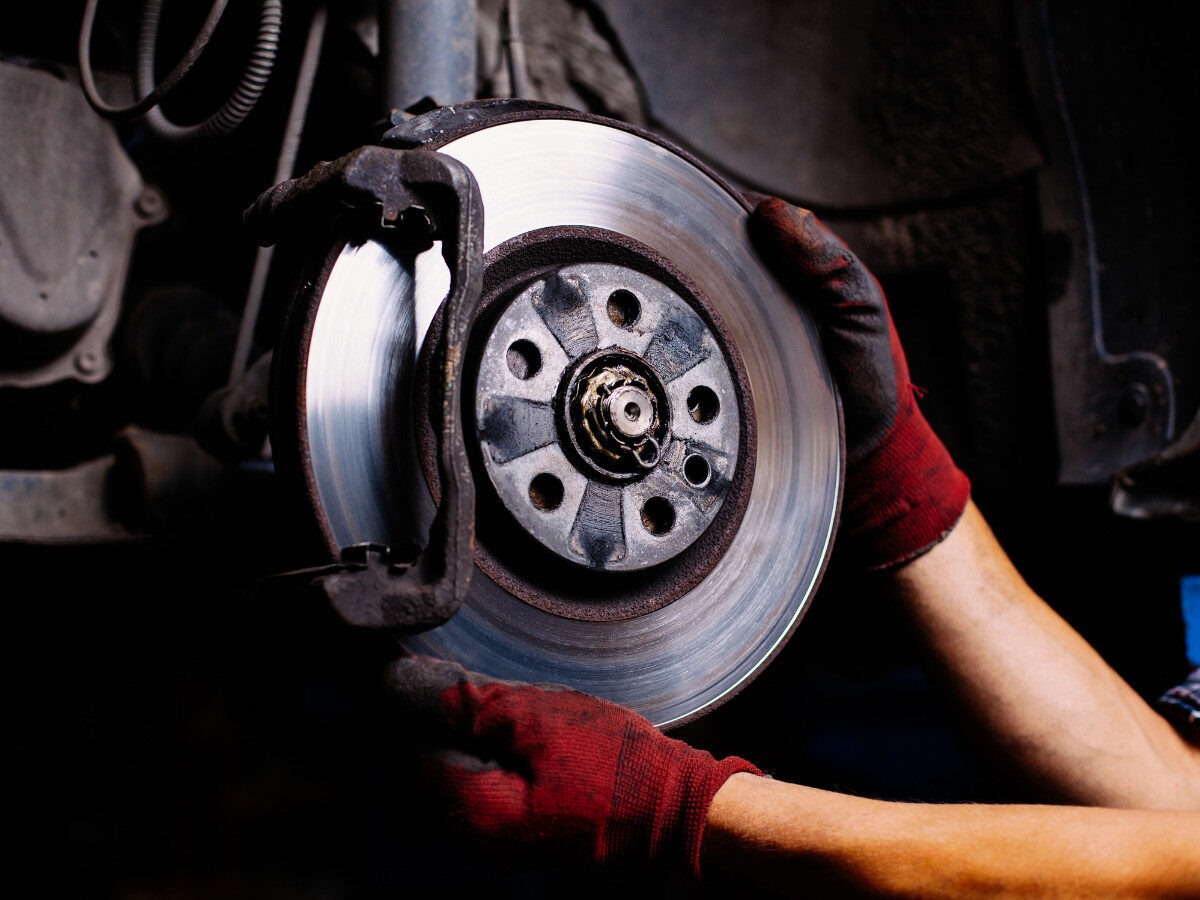
Every time you step on the pedal, the brake system converts motion into heat through friction. Pads press against rotors, slowing your car down. Over time, that friction wears the parts down. Add rain, dirt, and Oregon’s changing weather, and that wear speeds up.
A typical brake system has four main parts:
- Brake pads: These create friction with the rotors to slow the wheels.
- Rotors (or discs): These spin with the wheels and absorb heat from the pads.
- Calipers: These clamp the pads against the rotors.
- Brake fluid: This hydraulic liquid transfers your pedal pressure into force at the brakes.
When any of these parts wear or fail, stopping power drops. That’s where a proper inspection and brake repair near me becomes necessary.
Warning Signs You Need Brake Repair Near Me
Brakes don’t usually fail overnight—they’ll let you know something’s wrong if you’re paying attention. Here’s what to watch for:
- Squealing or Grinding Sounds
That high-pitched squeal means your brake pads are wearing thin. Grinding sounds are worse—it means metal is scraping metal, and you’re already damaging your rotors. - Soft or Spongy Pedal
If the brake pedal sinks lower than usual or feels soft, you may have air or moisture in the brake lines. - Vibrations or Shaking
Shaking while braking often points to warped or uneven rotors. - Longer Stopping Distance
Worn pads or low brake fluid can increase stopping distance. - Pulling to One Side
Uneven pad wear or a stuck caliper can cause pulling while braking.
If you notice any of these issues, bring your car to Blue Rose Auto Repair as soon as you can. Many drivers from Eugene, Thurston Springfield stop by early and end up saving money.
How Often Should You Get Brake Repair Near Me?
Brake wear depends on your driving habits. City driving wears brakes faster than highway cruising. Most vehicles need a brake inspection every 12,000 miles or once a year.
If you’re unsure, have your brakes checked during oil changes.
What Affects Brake Repair Oregon Cost
Several factors influence brake repair Oregon cost:
- Type of Vehicle: Larger vehicles need bigger components.
- Material of the Pads: Ceramic pads cost more but last longer.
- Extent of Damage: Worn rotors or seized calipers increase costs.
- Labor Time: Some vehicles require more disassembly.
We explain pricing clearly before any work begins.
Why You Shouldn’t Wait on Brake Repairs
Waiting makes brake problems worse and more expensive. Worn pads can damage rotors, and low fluid can affect the master cylinder.
Can You Get Cheap Brake Repair Oregon Without Losing Quality
Affordable doesn’t mean low-quality. We use trusted parts and back repairs with warranties.
What to Expect During a Brake Repair Near Me
- Full Brake Inspection
- Pad and Rotor Measurement
- Brake Fluid Check
- Test Drive
How to Make Your Brakes Last Longer
- Avoid Hard Stops
- Keep Your Car Light
- Flush Brake Fluid Regularly
- Rotate Tires
Brake Repair Discounts and Offers
We offer seasonal brake repair discounts for Eugene and Springfield drivers. Call 541-344-0115 or visit our contact page.
Why Choose Blue Rose Auto Repair for Brake Repair Near Me
We use quality parts, modern tools, and honest recommendations.
We also handle collision repair, auto detailing, window tinting, and commercial wraps.
For battery issues, our battery replacement and charging service is available.
Frequently Asked Questions About Brake Repair Near Me
How long should brake pads last?
25,000–60,000 miles depending on use.
Do you offer same-day brake repair?
Often yes, depending on parts availability.
Conclusion
Brakes are your car’s most important safety system. Early checks prevent bigger repairs.
Call (541) 344-0115 or visit our contact page to schedule an inspection.
External Reference: Learn more at the National Highway Traffic Safety Administration (NHTSA).
See Also:
- How to Know When Your Car Need Battery Replacement
- What is the 30-60-90 Rule for Car Repair and Maintenance? A Complete Guide
- All-Season Car Maintenance Tips Every Oregon Driver Should Know
- Vinyl Wrap vs. Car Paint: Which One Should You Choose?
- Ceramic Coating Vs Traditional Wax: Eugene Driver’s Complete Guide


0 Comments