
Warning Signs You Need Brake Repair for Drivers in Eugene, Springfield, and Nearby Oregon Communities
Every time you press the brake pedal, dozens of components work together to slow your vehicle safely. Brake pads, rotors, calipers, brake fluid, and hydraulic parts all play an important role. When one of those components begins wearing out, the braking system often gives warning signs before complete failure occurs. Knowing when you need brake repair helps protect your safety and prevents more expensive repairs later.
Drivers across Eugene, Springfield, Junction City, Cottage Grove, Veneta, and nearby Oregon communities rely on dependable brakes during daily commutes, rainy weather, and busy highway traffic. Paying attention to early symptoms helps keep the braking system working properly in every driving condition.
Repairing brake problems early often saves money while improving vehicle safety.
Squealing Brakes Usually Mean the Pads Are Wearing Out
High-pitched squealing is one of the earliest warning signs drivers notice.
Brake pads include wear indicators that create noise when the friction material becomes thin.
Common causes include:
- Worn brake pads
- Glazed pad surfaces
- Moisture on brake components
- Light brake dust buildup
The sound may appear only during the first few stops before becoming more frequent.
Drivers visiting an Auto Mechanic in Eugene, Oregon often schedule inspections soon after hearing persistent squealing noises.
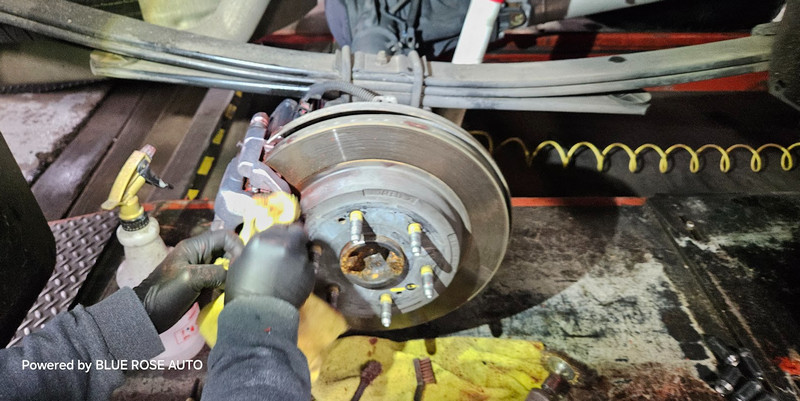
Grinding Sounds Require Immediate Attention
Grinding noises usually indicate a more serious problem.
This sound often develops when:
- Brake pads wear completely through
- Metal contacts the rotor
- Rotor surfaces become heavily damaged
Ignoring grinding noises may quickly increase repair costs.
Replacing brake pads early is much less expensive than replacing damaged rotors and additional brake components.
Brake Pedal Feels Soft or Spongy
The brake pedal should feel firm and respond consistently.
A soft pedal may point to:
- Air inside the brake lines
- Low brake fluid
- Hydraulic leaks
- Master cylinder problems
Changes in pedal feel should never be ignored.
Brake performance may continue declining until repairs are completed.
Drivers working with an Auto Mechanic in Springfield, Oregon frequently notice soft brake pedals before discovering hydraulic system issues.
Steering Wheel Vibrates During Braking
Brake vibration usually becomes noticeable while slowing down from higher speeds.
Several problems may cause vibration:
- Warped brake rotors
- Uneven rotor wear
- Damaged suspension components
- Uneven brake pad contact
The vibration often becomes stronger as rotor wear increases.
Professional inspections determine whether resurfacing or replacement is the better solution.
Your Vehicle Pulls to One Side
Braking should keep the vehicle moving in a straight line.
Pulling left or right may indicate:
- Sticking brake calipers
- Uneven brake pad wear
- Contaminated brake components
- Brake fluid issues
Uneven braking reduces vehicle control and increases stopping distance.
Drivers traveling through nearby Oregon communities frequently visit an Auto Mechanic in Junction City, Oregon after noticing steering changes while braking.
Vehicle owners from surrounding communities regularly schedule inspections with an Auto Mechanic In Cottage Grove, Oregon when braking feels uneven.
Brake Warning Lights Should Never Be Ignored
Dashboard warning lights provide valuable information about brake system health.
Common warning lights may indicate:
- Low brake fluid
- ABS system faults
- Hydraulic pressure problems
- Electronic brake system issues
Even if the vehicle still stops normally, warning lights deserve immediate inspection.
Diagnostic testing helps identify the source before braking performance becomes worse.
Brake Repair Costs in Eugene and Springfield
Repair costs vary depending on the condition of the braking system.
Typical estimates include:
- Brake pad replacement: $150 – $400
- Rotor replacement: $400 – $900
- Brake caliper replacement: $300 – $900
- Brake fluid service: $120 – $250
- Complete brake system repair: $1,000 – $3,500+
Several factors affect pricing:
- Vehicle make and model
- Number of worn components
- Rotor condition
- Labor requirements
Routine inspections often keep repairs smaller and more affordable.
Services Commonly Performed Alongside Brake Repairs
Brake service is frequently combined with other maintenance to improve overall vehicle performance.
Electrical system inspections may lead to battery replacement and charging during routine maintenance visits.
Accident-related damage sometimes requires collision repair before braking components can be fully inspected.
Many customers schedule auto detailing after mechanical repairs to restore the vehicle’s appearance.
Business owners often refresh company vehicles with commercial wraps once repairs are complete.
Drivers frequently install car window tinting to improve driving comfort throughout the year.
Why Early Brake Repairs Protect Your Vehicle
Brake components wear together over time.
Replacing worn parts early helps:
- Shorten stopping distance
- Protect brake rotors
- Improve vehicle control
- Reduce repair costs
- Increase driving confidence
Regular brake inspections allow worn components to be replaced before additional damage occurs.
Frequently Asked Questions
How often should brake pads be replaced?
Most brake pads last between 30,000 and 70,000 miles, depending on driving habits.
What causes squealing brakes?
Brake pad wear indicators commonly create squealing sounds as the pads wear down.
Is grinding a serious brake problem?
Yes. Grinding often means the brake pads have worn completely through.
Why does my steering wheel shake while braking?
Warped brake rotors are one of the most common causes.
How much does brake repair cost?
Most brake repairs range from $150 to $900, depending on the damaged components.
Can low brake fluid affect stopping power?
Yes. Low fluid reduces hydraulic pressure and braking performance.
Should I drive with the brake warning light on?
A brake warning light should always be inspected as soon as possible.
Why does my vehicle pull while braking?
Uneven brake operation or sticking calipers commonly cause pulling.
How often should brakes be inspected?
Brake inspections are recommended during routine maintenance or whenever symptoms appear.
Can worn brakes damage other components?
Yes. Ignoring worn pads often leads to rotor and caliper damage.
Keep Your Brakes Ready for Every Stop
Recognizing the warning signs you need brake repair helps protect your safety, improve stopping performance, and reduce long-term repair costs. Drivers throughout Eugene, Springfield, Junction City, Cottage Grove, Veneta, and nearby Oregon communities benefit from routine brake inspections that identify problems before they become serious.
If your brakes squeal, grind, vibrate, or feel different than normal, Blue Rose Auto can inspect the entire braking system and recommend the right repair solution. Call (541) 641-8877 today to schedule an inspection or Contact us online to book your appointment.
0 Comments