Drivers in Eugene, Springfield, Junction City, Cottage Grove, Veneta, and nearby places rely on their brakes every day. Brakes play a direct role in how safe a car feels, especially in stop-and-go traffic, busy intersections, and wet Oregon roads. When a technician explains brake problems in simple terms, it helps drivers stay in control of repair decisions. That’s why talking through brake disc replacement cost clearly is so important.
Brake discs, often called rotors, wear down over time. The wear happens slowly, and many drivers don’t notice anything changing until the pedal feels different or the car begins to make new sounds. Looking at cost early helps prevent surprise bills and gets the vehicle back to safe driving faster.
Below is a clear breakdown of what affects brake disc replacement cost, how we explain repairs at the shop, and signs that tell drivers it’s time to bring the car in.
Why Brake Discs Matter
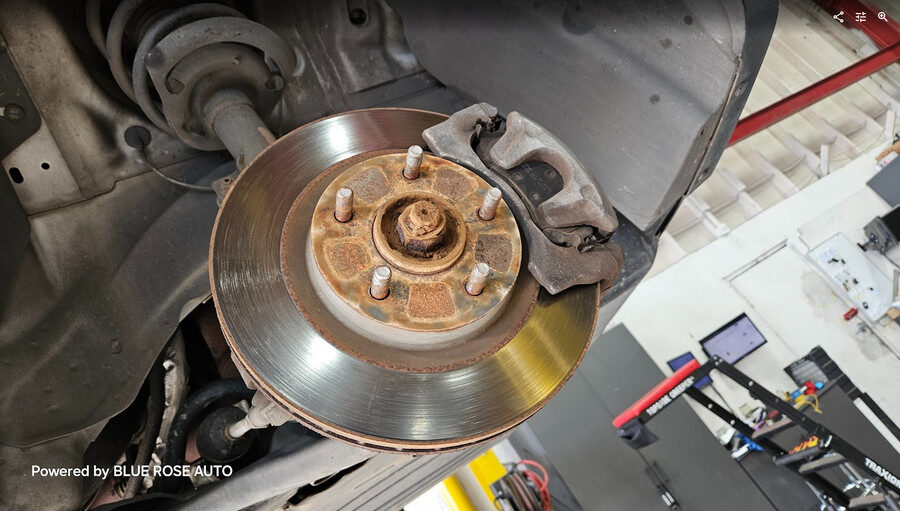
Brake discs work together with brake pads to slow the car. When you press the brake pedal, the pads squeeze the discs. That squeeze creates friction, which slows the wheels. Since this action happens constantly during daily driving around Eugene and Springfield, discs wear down slowly over time.
Here’s why keeping discs in good shape matters:
- Smoother stopping power. Healthy discs keep the brake pedal feeling steady. Once discs get worn or uneven, stopping feels shaky or takes longer. This change can happen slowly, so checking discs often helps prevent surprises.
- Less noise during braking. When rotors get uneven, the brake system may squeal or pulse. Drivers sometimes think the pads are the only issue, but the discs often play a part too.
- Longer brake system life. Fresh discs help brake pads wear evenly. When the surface is worn or rough, pads wear faster, which means more frequent repairs.
Understanding how discs wear helps explain why brake disc replacement cost can vary.
Brake Disc Replacement Cost for Drivers in Eugene
Drivers often ask about brake disc replacement cost before scheduling an appointment. The answer depends on the parts, the car model, and how much wear has already spread.
Here are the biggest factors:
- Vehicle size and weight. Bigger vehicles—such as SUVs, vans, or trucks—use larger rotors. Larger parts cost more. Smaller cars use smaller discs, which cost less.
- Rotor quality. Some rotors are built for daily driving. Others are built for higher heat use. Daily-use rotors cost less and work well for city driving in Eugene and Springfield.
- Condition of the old discs. If the disc is only worn, replacement is simple. If the disc is cracked or deeply grooved, the work takes longer. These changes slightly raise labor time.
- Pad condition. Pads and discs usually wear at the same time. If both are worn, replacing them together avoids uneven wear later and saves a second labor charge.
Some drivers ask about front brake disc replacement cost because front brakes usually wear faster than rear brakes. Front brakes take more of the stopping load, especially in city traffic.
Brake Pads and Disc Replacement Cost
Replacing pads and discs at the same time is common. When drivers ask about frake pads and disc replacement cost (spelled as written in your keyword list), the answer includes both materials and labor. Pads sit against the discs, so pairing both helps the braking surface stay smooth and even.
Most drivers replace pads and discs together when:
- The pedal shakes or pulses during braking. This often means the disc surface is uneven.
- There’s a grinding noise when braking. This usually means the pad is worn thin and is scratching into the disc.
- The old discs are too thin. Thin discs don’t cool well and can warp easier.
Replacing discs without pads is possible, but not ideal for worn systems. A new disc with an old pad can wear unevenly, causing noise later.
Labor Cost to Replace Brake Pads and Rotors
Drivers also ask about the labor cost to replace brake pads and rotors. Labor cost varies based on how the parts are positioned and how long the job takes. Some vehicles need more steps to remove the caliper, wheel, or bracket. Others are simpler and take less time.
Labor time depends on:
- Rust and wear. Oregon’s wet roads can cause rust. Rust can make bolts harder to remove, which adds time to the job.
- Brake design style. Some cars need extra steps to reach the rotor. These designs take slightly longer.
- Number of wheels needing service. Many drivers replace brakes in pairs. Front brakes or rear brakes may need attention at the same time.
We break down labor and parts separately so drivers know exactly what they are paying for.
Common Signs You May Need Brake Disc Replacement
Brake discs give warning signs before they fail. Watching for these signs keeps the car safer and cuts repair cost.
- Vibration during braking. If the pedal shakes when stopping, the disc may be uneven or worn. This vibration can grow worse over time.
- Squealing or scraping noises. A sharp sound while braking can be caused by pads, but discs may have grooves or heat spots that also cause noise.
- Burning smell after heavy braking. If the disc overheats, it may smell hot. This often appears when driving on hills around Springfield or Cottage Grove.
- Longer stopping distance. Worn discs don’t grip as well. The car needs more time and more space to stop.
Any of these signs mean it’s time for a brake check.
How We Keep Brake Repairs Affordable
Affordable work doesn’t mean low-quality work. It means planning repairs in a way that helps the driver save money over time. Brake disc replacement cost stays fair when the repair is planned clearly.
Here’s how that happens:
- A full inspection first. This shows exactly which parts are worn. By seeing everything upfront, we prevent guesswork or adding parts you don’t need.
- Explaining each choice. Some discs can last longer with resurfacing. Others need replacing. Talking through each option helps drivers pick what fits their budget.
- Doing repairs in pairs. Replacing brakes in pairs keeps stopping even, which avoids quick wear, shaky pedals, and repeat visits later.
This keeps brake repairs steady and predictable.
Extra Services That Support Brake Repairs
A brake job often connects to other services. Some drivers take the chance to check other areas of the car at the same time.
Here are helpful services:
- Battery replacement and charging when electrical systems show weakness during brake checks.
- Collision repair if brake issues were caused by an impact or damaged wheel area.
- Commercial wraps for business fleet vehicles needing both repairs and branding.
- Auto detailing to refresh the vehicle after repair work.
- Car window tinting to help with glare and comfort after service.
Drivers often check these services during the same visit.
Areas We Serve
Drivers across Lane County rely on our brake repair work. Each service area link appears separately as required:
- Auto Protection & Repair Services in Eugene, Oregon
- Auto Protection & Repair Services in Hayden Bridge, Oregon
- Auto Protection & Repair Services in Thurston Springfield, Oregon
- Auto Protection & Repair Services in Goshen, Oregon
Frequently Asked Questions
How long do brake discs usually last?
It depends on driving habits. Some rotors last tens of thousands of miles, while others wear faster with city driving.
Can I replace discs without changing the pads?
It’s possible, but worn pads can damage new discs. Many drivers replace both together.
Does shaking while braking always mean new discs?
Shaking often points to warped discs, but we check pads and other parts too.
Why do front brakes wear faster?
Front brakes do most of the stopping, especially in city driving.
Can Oregon weather affect disc wear?
Moisture and road grit can add wear over time.
Do squeaks always mean new discs?
Not always. It could be pads or dust. But noise should always be checked.
Can I drive with worn discs?
Short distances may be fine, but worn discs can reduce stopping power.
Why is my brake pedal soft?
Pad or disc wear can cause this. Brake fluid may be low too.
Do new discs need a break-in period?
Yes, gentle braking for a short time helps them settle in.
Do all cars use the same type of disc?
No. Materials and sizes vary by vehicle.
Schedule Brake Service in Eugene or Springfield
If your car shakes, squeals, or feels different when braking, it might be time to check your brakes and go over brake disc replacement cost in clear detail. Our team explains repair steps in plain language and works with drivers across Eugene, Springfield, and nearby areas.
We’re ready to help keep your braking system safe and steady.


